
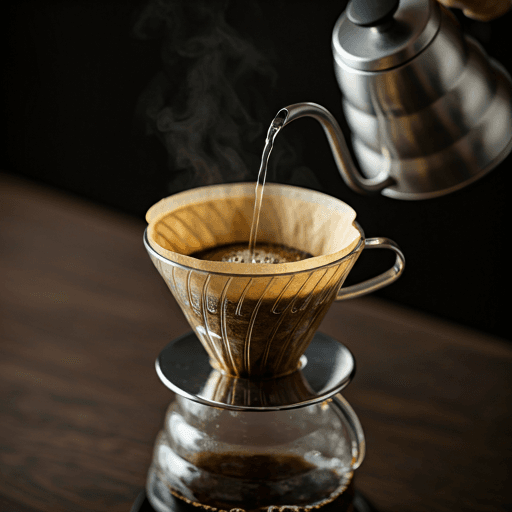
Ginseng coffee is simply coffee combined with ginseng root extract. The most famous version is caffe al ginseng, the sweet, creamy, frothy Italian cafe drink made from a pre-mixed instant powder, but there are Korean and homemade versions too. This guide explains what ginseng coffee is, how it tastes, whether it is good for you, and how to make a ginseng latte at home.
What is ginseng coffee?
Ginseng coffee is any coffee drink that adds ginseng, the root of the Panax plant, to the cup. In practice it takes two main shapes. The first is the classic Italian-style caffe al ginseng: a ready-made instant powder that blends soluble coffee, ginseng extract, sugar and usually a creamer or milk component, whisked with hot water into a small, sweet, latte-like drink. The second is a do-it-yourself approach: stirring a little pure ginseng extract or powder into ordinary brewed coffee or espresso, where you decide how sweet it gets.
Either way, the caffeine comes from the coffee, not the ginseng. Ginseng root is naturally caffeine-free. Because many ready mixes use a smaller amount of coffee than a full espresso, a cup of ginseng coffee often sits toward the lower end for caffeine, closer to a light coffee than a double shot, though the exact amount depends entirely on the product and how it is made.
Caffe al ginseng: the Italian ginseng coffee
Caffe al ginseng is an Italian cafe staple, especially in the north of the country, and it spread widely through Italian coffee bars from the mid-2000s onward. Order one and you typically get a short, warm, frothy drink that looks a little like a small cappuccino: sweet, milky and nutty, with only a subtle ginseng note sitting behind the coffee.
What makes Italian ginseng coffee so consistent from bar to bar is that most cafes build it from a pre-mixed powder rather than from scratch. The barista spoons the powder into a cup, adds hot water or runs it through the espresso machine, and stirs. That convenience is also the catch. These mixes are usually pre-sweetened and often include a vegetable creamer, flavourings and, in some products, colourings or hydrogenated fats. The sugar content can be considerable, and in some pre-sweetened powders sugar is the single largest ingredient. In other words, a caffe al ginseng is closer to a sweet coffee treat than to a plain black coffee, which is worth remembering if you drink several a day.
The main kinds of ginseng coffee
The label "ginseng coffee" covers a family of drinks rather than one recipe. Here is how the common forms compare.
| Type | What it is |
|---|---|
| Caffe al ginseng (cafe drink) | The Italian cafe classic: a pre-mixed instant powder of coffee, ginseng extract, sugar and creamer, whisked into a short, sweet, frothy cup. |
| Instant sachets and stick packs | Single-serve versions of the same powder for home. Just add hot water. Convenient but usually pre-sweetened and creamy. |
| Pods and capsules | Ginseng coffee formulated for pod and capsule machines, so you get a cafe-style cup at the press of a button. |
| Ginseng latte | A ginseng coffee base topped with steamed or frothed milk (dairy or plant), served hot or iced, for a milkier, gentler drink. |
| DIY functional blend | Brewed coffee or espresso with a small amount of pure ginseng extract or powder stirred in. You control the sugar and the strength. |
| Korean and Asian style | Coffee that leans on ginseng's long tonic reputation, sometimes using red ginseng extract, reflecting a different regional heritage from the Italian version. |
The pre-mixed instant style is really a flavoured instant coffee with ginseng and sweetener built in, which is why it dissolves so easily and tastes so uniform. The DIY route lets you keep it closer to real coffee with just a hint of the root.
What does ginseng coffee taste like?
Ginseng coffee is mild, sweet and creamy, with a gentle nutty, slightly earthy character. In the pre-mixed versions the coffee is softened by sugar and creamer, so it drinks smooth and rounded rather than sharp or bitter. The ginseng itself is subtle: most people notice a faint bittersweet, root-like undertone rather than a strong herbal punch. If you are expecting the intensity of a straight espresso, it will taste lighter and dessert-like; if you find black coffee harsh, that softness is exactly the appeal.
Is ginseng coffee good for you?
Is ginseng coffee good for you? The honest answer is that it depends on the version and on you. Ginseng has a long traditional reputation, but the drink you actually buy in a cafe is often quite sweet, so its overall effect is a mix of what the ginseng may offer and what the added sugar and creamer bring along.
The traditional appeal of ginseng
Ginseng (Panax ginseng) is a classic adaptogen, an herb traditionally associated with supporting energy, focus and resilience to stress and fatigue. Its active compounds, called ginsenosides, are the reason it has been valued for centuries and studied in modern times. On that reputation, ginseng coffee is marketed as a smoother, more "balanced" pick-me-up than plain coffee: the idea is that caffeine gives the lift while ginseng takes the edge off. It is fair to frame these as traditional and possible effects rather than proven guarantees. The research is mixed and evolving, and much of it looks at concentrated ginseng supplements rather than the modest amount in a sweet coffee mix.
Cautions: who should be careful
Ginseng is generally treated as food-safe in small culinary amounts, but it is not right for everyone, and this is general information rather than medical advice. Ginseng may interact with blood thinners such as warfarin, with diabetes medication that lowers blood sugar, and with blood-pressure drugs, and it may add to the effect of stimulants, including the caffeine already in the coffee, which some sources link to raised blood pressure. High doses have been associated with trouble sleeping, so an evening ginseng coffee may not be ideal if you are caffeine-sensitive. Ginseng is also commonly advised against during pregnancy and breastfeeding. And because many mixes are heavily pre-sweetened, keep an eye on the added sugar. If you take regular medication, are pregnant, or have an ongoing health condition, check with a doctor or pharmacist before making ginseng coffee a daily habit.
How to make a ginseng latte at home
You can make a homemade ginseng latte in a couple of ways, from fully instant to a cleaner DIY blend where you control the sugar.
- The quick way: empty an instant caffe al ginseng sachet into a cup, add about 3 to 4 oz (90 to 120 ml) of hot water, and stir or whisk until frothy. That is the traditional short, sweet drink.
- The DIY way: brew a single espresso or a small strong coffee. Stir in a small measured amount of pure ginseng extract or powder, following the product's serving guidance, since concentrations vary a lot.
- Make it a latte: steam or froth about 4 to 6 oz (120 to 180 ml) of milk (dairy or plant-based) and pour it over the ginseng coffee base for a milkier, gentler cup.
- Sweeten to taste: if you started from a plain espresso, add sugar, honey or a syrup yourself. This is the main advantage of the DIY route: you are not locked into a pre-sweetened mix.
- Serve it iced: for an iced ginseng latte, cool the coffee base, pour over ice, and top with cold milk.
If you like the ritual of a rich, milky cup, this sits comfortably alongside the wider world of everyday coffee enjoyment, just with a sweeter, softer profile.
Ginseng coffee vs other functional coffees and ginseng tea
Ginseng coffee belongs to the growing category of "functional" coffees, drinks that add an ingredient with a wellness reputation to the cup. Its closest cousin is mushroom coffee, which blends coffee with extracts like lion's mane or chaga for a similar smoother-energy pitch. The trade-offs are much the same: the added ingredient is usually present in modest amounts, and the marketing tends to run ahead of the evidence.
It is also worth separating ginseng coffee from ginseng tea. Ginseng tea is an infusion of the ginseng root on its own, with no coffee and no caffeine, so it is the drink to reach for if you want ginseng's traditional appeal without any coffee or, in the sweet mixes, without the sugar. Ginseng coffee, by contrast, is fundamentally a coffee drink: you are drinking it for the coffee first, with ginseng as the twist.
The bottom line
Ginseng coffee is a mild, sweet, creamy coffee drink built around ginseng root, best known as Italy's caffe al ginseng. Treated as an occasional treat, it is an easy, pleasant way to enjoy a softer cup of coffee with a subtle nutty note. Just read the label on the pre-mixed versions, go gently if you are sensitive to caffeine or added sugar, and keep the health claims in perspective. If the functional angle is what draws you, compare it with mushroom coffee and with plain ginseng tea, then pick the one that fits how you actually like to drink.