
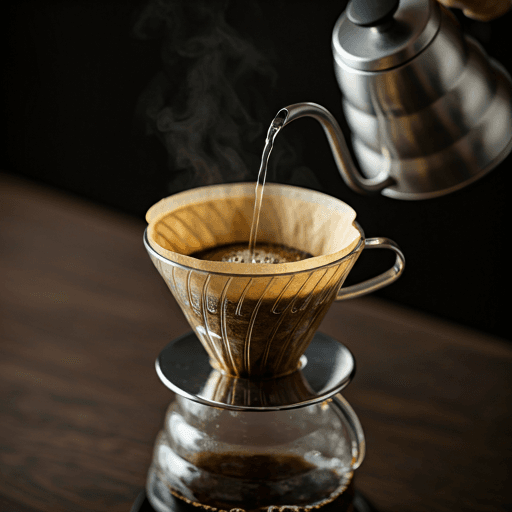
Can you make espresso with a moka pot? Honestly, not exactly. A moka pot makes a strong, concentrated, espresso-like coffee, but it is not true espresso. People who search for espresso with moka pot usually want a rich, intense shot at home without buying a pump machine, and the moka pot is the closest, most affordable stovetop way to get there.
The difference comes down to pressure. A real espresso machine forces hot water through a packed puck of coffee at about 9 bars. A moka pot relies on steam, which builds only about 1 to 2 bars. That gap is why moka pot espresso has less crema and a thinner body than a cafe shot, even when the flavor is bold and punchy.
Espresso with Moka Pot: The Honest Answer
So, does a moka pot make espresso? Technically, no. Espresso is defined as much by its method as its taste: roughly 9 bars of pressure pushing water through finely ground coffee in about 25 to 30 seconds, emulsifying oils and dissolved gas into the signature golden crema. A moka pot cannot reach that pressure. Its steam-driven brew tops out around 1 to 2 bars and takes several minutes.
The result sits between drip coffee and a true shot. Moka pot espresso is concentrated, dark and intense, with a heavier mouthfeel than filter coffee, but it lacks the syrupy body and the thick, lasting crema you get from a 9-bar machine. Any foam on top is lighter and fades quickly. If you drink shots neat, you will notice the difference. If you build milk drinks, you may barely notice it at all. That is the honest take on moka pot vs espresso.
Quick rule: a moka pot is the best stovetop espresso substitute, not a real espresso machine in disguise. Treat it as its own delicious thing.
How a moka pot makes its "espresso"
A moka pot, often called a stovetop espresso maker, has three parts: a bottom water boiler, a funnel-shaped coffee basket, and a top collecting chamber. Heat turns the water in the base to steam, and the rising pressure pushes the remaining hot water up through the coffee grounds and out into the top. When you hear it gurgle, the water is spent and steam is following through, so that is your cue to stop. For the full mechanics and troubleshooting, see our how to use a moka pot walkthrough and the moka pot guide to the device itself. Here we focus on squeezing the most espresso-like result out of it.
Moka pot vs espresso at a glance
| Feature | Moka pot | True espresso |
|---|---|---|
| Pressure | ~1-2 bar (steam) | ~9 bar (pump or lever) |
| Crema | Thin and light, fades fast | Thick, lasting golden crema |
| Grind | Fine-to-medium (a touch coarser than espresso) | Very fine |
| Body and texture | Concentrated but lighter, slightly thinner | Syrupy and full-bodied |
| Brew time | ~3-5 minutes on the stove | ~25-30 seconds |
| Cost and power | Budget, no electricity needed | Mid-range to premium machine |
How to get the most espresso-like cup
You cannot manufacture 9 bars on a stovetop, but good technique gets you a clean, intense, espresso-style base. Follow these steps.
- Start fresh and clean. Use freshly ground beans and a clean, dry pot. Old grounds and stale oil residue make moka coffee taste flat and bitter.
- Grind fine-to-medium. Aim a touch coarser than true espresso and finer than drip, roughly like table salt. Too fine can clog the basket and over-extract; too coarse brews weak.
- Use hot water. Fill the bottom boiler with pre-boiled hot water up to just below the safety valve. Starting hot shortens the time the grounds spend roasting against the hot metal, which reduces bitterness.
- Fill and level, do not tamp. Add grounds to the funnel basket and level them off with a finger. Tamping like an espresso puck builds too much resistance for a moka pot and can choke the brew.
- Assemble and use low-to-medium heat. Screw the top on (a towel helps, the base is hot) and set it on low-to-medium heat with the lid open so you can watch.
- Pull it off at the gurgle. When the coffee streams up honey-colored and then starts to sputter and gurgle, take the pot off the heat immediately. Letting it run dry scorches the coffee and turns it harsh.
- Cool the base. Stop extraction fast by wrapping the base in a damp cloth or running it briefly under a cool tap. Give it a gentle stir and pour.
Small tweaks that help
- Do not over-fill the basket or pack it down; loose and level brews more evenly.
- Match the pot size to the coffee you want. Moka pots are built to be filled, so a 3-cup pot makes a 3-cup volume, not one.
- A darker or espresso-style roast suits the format and reads as more "espresso," though any bean works.
- Descale and rinse regularly; never use soap on aluminum pots, just hot water.
Turning moka pot espresso into milk drinks
This is where stovetop espresso shines. Because the concentrate is bold, it stands up to milk much like a real shot, so the missing crema rarely matters. Steam or froth milk separately (a moka pot has no steam wand) and build the drink you want:
- Moka latte: a moka pot pour topped with plenty of steamed milk and a little foam.
- Moka cappuccino: equal parts concentrate, steamed milk and airy foam.
- Moka americano: the concentrate lengthened with hot water for a longer, lighter cup.
If you want to understand the real benchmark these drinks imitate, read espresso explained for what a genuine shot is and how the classic drinks are built from it.
What about pressurized valves and "crema" gadgets?
Some makers sell pressure-regulating valves or spring-loaded "crema" attachments that promise true-espresso pressure and a thick head of foam from a stovetop pot. Treat the claims with healthy skepticism. A small valve can make the brew a little more consistent and produce extra surface foam, but it does not turn 1-2 bar of steam into a genuine 9-bar extraction, and that bubbly froth is not the same as real espresso crema. If true crema and a syrupy shot are non-negotiable for you, a proper espresso machine or a manual lever maker is the honest answer, not a gadget.
So, is it worth it?
Absolutely, as long as your expectations are set. A moka pot will not replace a 9-bar machine, but it delivers a rich, concentrated, espresso-style coffee for very little money and no electricity, which is exactly why it has been a kitchen staple for generations. Learn the gurgle, keep the pot clean, level your grounds, and you will pour a cup that is a world away from drip and close enough to espresso for most mornings. Set your expectations honestly and the moka pot rewards you every single day.