
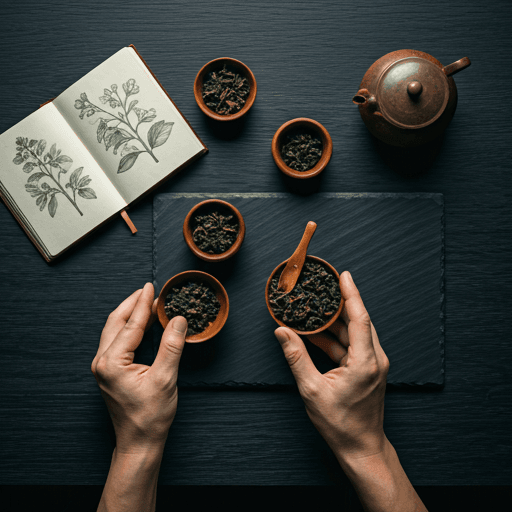
Does fennel tea have caffeine? No — pure fennel tea is naturally caffeine-free. It is a herbal tisane brewed from fennel seeds (and sometimes the plant's feathery fronds), not from the leaves of the tea plant, Camellia sinensis, which is what actually contains caffeine. That makes fennel tea a soothing, sweetly aniseed drink you can reach for at any hour, including late in the evening, without a stimulant to keep you awake.
If you are cutting back on caffeine or simply want something gentle after dinner, this is one of the easiest choices on the shelf. Below is why fennel has none to begin with, the sweet character that sometimes fools people into thinking it must be "energizing," and the one situation where a fennel drink can carry caffeine after all.
Does fennel tea have caffeine? Why it has none
The short version: fennel is a herb, not a tea. Caffeine is a natural compound produced by a handful of specific plants, and the tea plant, Camellia sinensis, is one of them. Every "true" tea — green, black, white, oolong and pu-erh — comes from that single plant and therefore carries some caffeine. Fennel tea does not come from that plant at all. It is made by steeping the dried seeds of the fennel plant (Foeniculum vulgare), so there is simply no caffeine in the raw material to end up in your cup.
Because the answer to does fennel have caffeine is no, the fennel tea caffeine content is effectively zero from the leaf to the pot. Steeping it longer or hotter will make it stronger in flavor, but it cannot create caffeine that was never there. This is the same reason peppermint, chamomile and rooibos are caffeine-free: they are botanicals brewed like tea but are not the tea plant. For the wider picture of which brews carry a jolt and which do not, our guide to whether tea contains caffeine breaks down the true-tea family in detail, and the caffeine-free tea explainer covers the whole herbal category.
A sweet, warming character without a stimulant
Fennel tea has a distinctive taste — gently sweet, warming, with a clear aniseed or liquorice-like note. That comforting, almost dessert-like quality can make a drink feel restorative, and some people assume anything that tastes lively must be doing something stimulating. It is worth being clear that this is aroma and flavor, not a chemical pick-me-up. The sweetness comes from aromatic compounds in the seed, not from caffeine, so a cup of fennel tea will not lift your alertness the way coffee or a strong black tea can.
Practically, that is part of its appeal. You get a rounded, satisfying flavor and a warm mug to wrap your hands around, with none of the racing-heart or sleepless-night worries that caffeine-sensitive drinkers keep an eye on. If you want the full flavor profile and brewing tips, see how to make fennel tea for steeping times and ways to round out the taste with honey, lemon or a slice of ginger.
The exception: fennel blends and bottled drinks that can contain caffeine
Here is the important asterisk. Pure fennel tea is caffeine-free, but not every product with "fennel" on the label is pure fennel. Caffeine can sneak in through the company it keeps:
- Fennel blended with true tea. Some wellness or "digestive" blends mix fennel seed with green or black tea. The fennel part is still caffeine-free, but the green or black tea portion adds caffeine.
- Spiced teas and chai with fennel. Fennel is a common warming spice in South Asian spice blends, and a spiced chai built on a black-tea base will carry the caffeine of that black tea — the fennel does not cancel it out.
- Bottled and instant products. Ready-to-drink "fennel" beverages, mixes or sweetened blends can include tea extract, guarana or other caffeine sources.
The habit that solves all of this is simple: read the ingredient list. If the only ingredient is fennel seed (or fennel plus other herbs like peppermint, ginger or chamomile), it is caffeine-free. If you spot green tea, black tea, matcha, guarana or "tea extract," there is caffeine in the cup. When in doubt, a single-ingredient loose fennel seed or a bag that lists only fennel is the safe bet for a truly zero-caffeine drink.
Fennel tea vs true teas, chai and coffee: caffeine at a glance
Because so many "teas" are grouped together on the same shelf, it helps to see where caffeine actually lives. The figures below are rough, general ranges that vary a lot by brand, strength and how you brew — treat them as a rule of thumb, not a precise count.
| Drink | Contains caffeine? | Rough guide |
|---|---|---|
| Pure fennel tea (seeds only) | No | Naturally caffeine-free |
| Other pure herbal tisanes (peppermint, chamomile, rooibos) | No | Naturally caffeine-free |
| Green, white, oolong or black tea (true tea) | Yes | Low to moderate per cup |
| Masala chai (spiced black tea with milk) | Yes | From its black-tea base; milk dilutes strength |
| Fennel blended with green or black tea | Yes | From the true-tea portion only |
| Coffee | Yes | Typically the most per cup |
The pattern is clear: is fennel tea caffeine free? Yes, as long as it is genuinely just fennel. The moment a real tea leaf or a caffeinated additive joins the blend, that line moves.
Why people choose fennel tea
Being caffeine-free is a big part of the draw, but it is not the only one. Fennel tea is naturally sweet, so many people enjoy it without adding sugar, and it has a long tradition as an after-meal drink — a warm, aromatic way to close out dinner. Because there is no caffeine in fennel tea, it fits easily into an evening wind-down routine, a late-night craving for something warm, or a day when you have already hit your coffee limit and want a flavorful cup that will not add to the tally. It is also a friendly option for anyone who is generally reducing caffeine and wants variety beyond plain water.
A light note on fennel tea and wellness
Fennel tea is traditionally sipped for digestion and a settled, less-bloated feeling after eating, and it comes up in conversations about soothing an upset stomach. Many people find it comforting, but these are traditional uses rather than proven treatments, so keep any expectations light — this is a pleasant drink, not medicine. We are deliberately not making health claims here; for a fuller, still general look at the topic, see our overview of fennel tea benefits.
A few sensible cautions: fennel is best enjoyed in normal culinary amounts rather than in very strong, all-day quantities. If you are pregnant or breastfeeding, or you take regular medication, it is worth asking your own healthcare provider before making fennel tea a daily habit, since herbs can interact in ways that are individual to you. Responses vary from person to person, and none of this is medical advice — when in doubt, check with a professional you trust.
The bottom line
Pure fennel tea has no caffeine because it is a herbal tisane made from fennel seeds, not from the caffeinated tea plant — so it is one of the most reliable evening-friendly cups you can pour. Just remember the one catch: any blend that mixes fennel with green or black tea, a spiced chai, or a bottled product can carry caffeine, so a quick glance at the ingredient list is all it takes to keep your fennel tea genuinely caffeine-free. When the label says fennel and nothing else, you can steep with confidence at any hour.