
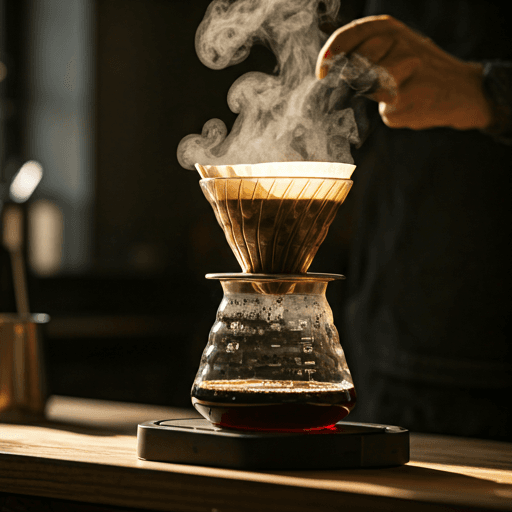
Coffee candy is any sweet built around the flavour of real coffee or coffee extract: hard boiled sweets and drops, chewy caramels and toffees, soft coffee fudge, and filled bonbons. The taste is a bittersweet, roasty coffee note set against sugar, which is exactly why it works so well. This guide explains what coffee candy is, names a few famous examples, gives you two simple home recipes, and adds an honest word about caffeine, because not all coffee sweets are caffeine-free.
What is coffee candy?
Coffee candy is a broad family of confectionery flavoured with coffee. The coffee character can come from brewed espresso, instant coffee, or a concentrated coffee extract, and it is balanced against sugar so the result reads as a treat rather than a cup of coffee. The defining flavour is contrast: the dark, slightly bitter, aromatic edge of roasted coffee against clean sweetness, often rounded out with butter, cream, or milk.
Because "candy" covers so much ground, coffee sweets show up in several textures. There are hard, glassy boiled sweets and coffee drops that you suck slowly; chewy coffee caramels and toffees; soft, dense coffee fudge; and chocolate-shelled bonbons with a coffee or coffee-cream centre. Each one is the same idea in a different format, so the texture you prefer largely decides which kind you reach for.
It helps to know what coffee candy is not. It is not the same as chocolate covered coffee beans, which are whole roasted beans in a chocolate shell, and it is not a drink like butterscotch coffee. Coffee candy is sugar confectionery flavoured with coffee, and that is the lane this guide stays in.
The main types of coffee candy
The quickest way to understand coffee candy is by texture, because that is what changes most from one piece to the next. The table below maps the common styles, how each one eats, and whether it is likely to carry caffeine.
| Type | Texture | Caffeine? |
|---|---|---|
| Hard candy / coffee drops | Hard, glassy, long-lasting; sucked slowly | Varies; some are coffee-flavoured only, while extract-based brands (e.g. Kopiko) do carry caffeine |
| Chewy coffee caramels | Soft, chewy, sticky; made with sugar, butter and cream | Trace to a little, more when made with real strong coffee |
| Coffee toffee | Brittle, crunchy, buttery; cooked harder than caramel | Trace to a little |
| Coffee fudge | Soft, dense, creamy; melts on the tongue | Trace to a little |
| Coffee bonbons / filled chocolates | Firm chocolate shell over a soft coffee or coffee-cream centre | Depends on the filling and the chocolate |
Caramels and toffee are close cousins separated mostly by cooking temperature: a caramel is cooked to a chewy stage, while a toffee is taken hotter so it sets brittle. Fudge sits apart as a soft, sugar-crystal confection, and hard candies are simply boiled sugar taken to the brittle, glassy stage.
Famous coffee candy examples
Plenty of well-known coffee sweets exist, and naming them as factual examples is the easiest way to picture the category. Kopiko is an Indonesian coffee candy made with real coffee extract; it is sold worldwide as both hard candies and chewy "cappuccino" pieces, and the brand openly markets its energising kick, with packaging built around the idea that a piece helps keep you alert. Classic coffee-flavoured boiled sweets are a long-standing European tradition, often sold loose from jars as plain "coffee bonbons." Italian coffee caramels (caramelle al caffè) are another staple, leaning rich and milky.
None of these are endorsements; they are simply the reference points most people already know. What they share is that bittersweet coffee-against-sugar profile, just delivered in hard, chewy, or filled form.
Does coffee candy have caffeine?
Here is the honest answer: it depends on how the candy is made, so coffee candy is not automatically caffeine-free. Some pieces are flavoured with coffee aroma or a small amount of extract and carry very little caffeine. Others are made with genuine concentrated coffee, and those do contain a real, if modest, dose. A piece of an extract-based coffee candy can carry anywhere from a couple of milligrams up to roughly 20 mg of caffeine depending on the brand and recipe, and some brands market that a few pieces are roughly comparable to a small cup of coffee.
That matters in two situations. First, the pieces are small and moreish, so a handful can quietly add up the way a second cup would. Second, caffeine sensitivity, late-evening snacking, and giving sweets to young children are all worth a second thought, because a candy does not look like a stimulant the way a mug of coffee does. If you are tracking your intake, count caffeinated coffee candy toward your daily total just as you would a drink; our guide to how much caffeine is in a cup of coffee gives you the reference point. When in doubt, check the wrapper: brands that lean on caffeine as a selling point usually say so.
How to make coffee candy at home
Two homemade styles cover most cravings: a chewy coffee caramel that needs a thermometer, and an easy coffee fudge that does not. Both rely on the same trick for real flavour: use strong espresso or instant espresso powder, because mild coffee disappears against all that sugar.
Chewy coffee caramels
This makes a small pan of soft, wrappable coffee caramels. A candy thermometer is the difference between success and a sticky puddle, so clip one on.
Ingredients (about an 8-inch / 20 cm pan):
- 1 cup (240 ml) heavy cream
- 2 tablespoons instant espresso powder, or 2 shots (about 2 oz / 60 ml) of strong espresso reduced to a tablespoon
- 1 cup (200 g) granulated sugar
- 1/2 cup (120 ml) light corn syrup or glucose syrup (helps stop the candy turning grainy)
- 4 tablespoons (55 g) butter, cubed
- A generous pinch of salt
Method:
- Prep the pan. Line your pan with parchment and lightly butter it so the set candy lifts out cleanly.
- Make the coffee cream. Warm the cream gently and stir in the espresso powder (or reduced espresso) until dissolved. Keep it warm to one side.
- Cook the sugar. In a heavy saucepan, combine the sugar, syrup, and a splash of water. Cook over medium heat without stirring until it turns a light amber, swirling the pan if it colours unevenly.
- Add fat and coffee. Off the heat, carefully stir in the butter, then the warm coffee cream; it will bubble up hard, so stand back. Add the salt.
- Cook to temperature. Return to the heat, clip on the thermometer, and cook, stirring, to the firm-ball stage of about 245-250F (118-121C) for chewy caramels. A few degrees higher gives a firmer chew; for a brittle coffee toffee instead, take the mix to hard-crack at around 300F (149C) and use less cream.
- Set and cut. Pour into the pan, cool fully (a couple of hours at room temperature), lift out, and cut into pieces with an oiled knife. Wrap each one in wax paper so they do not stick together.
Easy coffee fudge
This shortcut fudge skips the thermometer entirely and comes together in minutes.
Ingredients:
- 3 cups (about 500 g) white or milk chocolate chips
- 1 can (about 14 oz / 400 g) sweetened condensed milk
- 2 tablespoons instant espresso powder dissolved in 1 tablespoon hot water (or 2 tablespoons very strong, reduced espresso)
- A pinch of salt and, if you like, 1 teaspoon vanilla
Method:
- Line an 8-inch (20 cm) pan with parchment.
- Gently melt the chocolate with the condensed milk over low heat, or in short microwave bursts, stirring until smooth.
- Stir in the strong coffee, salt, and vanilla until evenly coloured.
- Spread into the pan, chill for 2 to 3 hours until firm, and cut into small squares.
For more coffee-flavoured sweet ideas in liquid form, a homemade caramel syrup for coffee uses the same caramelised-sugar skills and is worth keeping in the fridge.
Tips for better coffee sweets
| Tip | Why it matters |
|---|---|
| Use strong espresso or instant espresso powder | Coffee flavour fades fast against sugar, so concentrate it. |
| Watch the candy thermometer closely | A few degrees decides chewy caramel versus brittle toffee. |
| Do not stir the sugar once it is boiling | Stirring can trigger crystallisation and a grainy texture. |
| Cool fully before cutting | Warm candy smears and will not hold a clean edge. |
| Store airtight, somewhere cool and dry | Sugar candy turns sticky in humidity. |
Storing coffee candy
Homemade coffee caramels, toffee, and fudge all keep best wrapped or boxed in an airtight container, somewhere cool and dry, away from heat and humidity. Wrap caramels individually so they do not fuse into one block, and layer fudge with parchment. Most batches stay good for one to two weeks at room temperature; you can refrigerate fudge to extend it, though caramels can firm up in the cold. Keep any caffeinated coffee candy out of easy reach of children, for the same reason you would not leave a cup of coffee within toddler range.
The bottom line
Coffee candy is simply the coffee-against-sugar idea served as sweets, from hard drops and chewy coffee caramels to soft fudge and filled bonbons. It is easy to make at home, easy to over-snack, and not always caffeine-free, so it pays to taste, store it well, and check the label when a brand promises a buzz. If you would rather get your coffee crunch from the bean itself, head to our guide on chocolate covered coffee beans for the snackable, equally moreish alternative.