
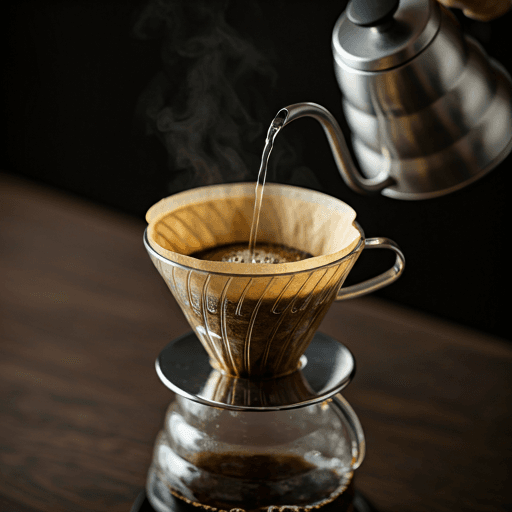
Butterscotch coffee is simply coffee or espresso sweetened and flavoured with butterscotch, a warm, buttery confection made by cooking brown sugar with butter until it melts and turns toffee-rich. You can build it hot or iced as a butterscotch latte, stir it into cold brew, or blend it into a frappe. This guide covers the two easy routes (a store-bought syrup or a quick homemade sauce), the ratios that keep it balanced, and why butterscotch is not the same thing as caramel.
What is butterscotch coffee?
At its core, butterscotch coffee is a flavoured coffee drink. The coffee part can be a shot or two of espresso, a strong moka pot brew, a French press, or even good instant coffee. The flavour part is butterscotch: brown sugar cooked with butter, usually loosened with a splash of cream and a pinch of salt into a pourable sauce, or bought ready-made as a syrup. Stir the two together with milk and you get a sweet, mellow, dessert-leaning cup that tastes of toffee, vanilla, and browned butter. Some people search for it as coffee butterscotch, but it is the same drink either way.
The pairing of coffee and butterscotch works because both lean on caramelised, slightly bitter-sweet notes. Coffee brings roast and acidity; the butterscotch rounds it off with richness. That is also why a little goes a long way, which we will come back to. If you want a refresher on brewing the base, see our walk-through of how to make coffee.
Butterscotch vs caramel: the difference people miss
People use these words interchangeably, but they are made differently and taste different. Butterscotch starts with brown sugar (white sugar plus molasses) cooked with a generous amount of butter, so it is deeper, warmer, and more buttery, with a faint molasses note. Caramel starts with white sugar cooked on its own until it turns amber, with relatively little butter, so it is cleaner and lightly bitter. Butterscotch is also cooked to a lower temperature than caramel, which keeps it softer and more buttery rather than sharply caramelised.
| Flavour | Main sugar | Fat | Tastes like |
|---|---|---|---|
| Butterscotch | Brown sugar (with molasses) | Lots of butter | Warm, buttery, toffee, gentle molasses |
| Caramel | White sugar cooked to amber | Little or none | Cleaner sweetness, slight bitter edge |
| Toffee | Brown sugar, cooked longer/harder | Butter | Like butterscotch but firmer and more roasted |
Practical takeaway: if you want a buttery, cosy cup, reach for butterscotch; if you want something sleeker, caramel is your flavour. The two are easy to swap in any recipe below.
Two ways to add butterscotch to coffee
Route 1: store-bought butterscotch syrup or sauce
The fastest path is a bottled flavour. Syrups are thin, pourable, and dissolve instantly into hot or cold drinks, which makes them ideal for lattes. Sauces are thicker and clingy, better for drizzling on top or rimming a glass. Many cafe-style brands (such as Monin and Torani) sell a butterscotch syrup alongside their caramel and vanilla lines; if you want to understand how these flavour syrups are built and used, see our explainer on what Monin syrup is. Start with a smaller pour than you think you need, taste, then adjust.
Route 2: a quick homemade butterscotch sauce
Homemade tastes noticeably better and takes about ten minutes. Here is a simple, forgiving method:
- Melt 2 tablespoons butter in a small saucepan over low-to-medium heat.
- Stir in 1/4 cup (about 50 g) brown sugar and whisk until it dissolves and bubbles gently.
- Pour in 2-3 tablespoons cream (or half-and-half) and a pinch of salt; whisk constantly.
- Simmer and whisk for a few minutes until smooth and slightly thickened. Do not overcook, as it thickens more as it cools.
- Off the heat, stir in a few drops of vanilla. Cool, then keep in a sealed jar in the fridge for up to two weeks.
If you would rather use a pure brown-sugar sweetener with no butter or dairy, a brown-sugar syrup is the leaner cousin; our brown sugar and demerara syrup guide shows how to cook one and store it.
How to make a butterscotch latte (hot)
This is the classic. The steps below make one generous cup; treat the butterscotch amount as a starting point and adjust to taste.
- Brew 1-2 shots of espresso (or about 60-90 ml of strong coffee).
- Add 1-2 tablespoons butterscotch sauce (or 15-25 ml syrup) to the cup and stir into the hot coffee so it dissolves.
- Steam or warm about 180-240 ml milk until hot and slightly frothy.
- Pour the milk over the coffee, holding back the foam, then spoon the foam on top.
- Optional: drizzle a little butterscotch sauce on top and add a pinch of flaky salt.
No espresso machine? A moka pot, an AeroPress, or strong French press coffee all make a fine base, and a handheld milk frother gives you the foam.
Iced, cold brew, and frappe versions
Butterscotch suits cold coffee just as well, and the technique barely changes. Use the table below to pick your build. For thin drinks, dissolve syrup or sauce in the warm coffee first so it does not sink and clump at the bottom over ice.
| Version | How to build it |
|---|---|
| Hot butterscotch latte | Espresso + butterscotch, topped with steamed milk and foam. |
| Iced butterscotch latte | Dissolve butterscotch in warm espresso, pour over ice, top with cold milk. |
| Butterscotch cold brew | Stir butterscotch syrup into smooth cold brew over ice; add a splash of milk or cream. |
| Butterscotch frappe | Blend coffee or espresso, milk, butterscotch, and ice until thick and frosty. |
| Butterscotch Americano | Espresso + hot water + a small pour of butterscotch, no milk, for a lighter cup. |
For a sister recipe you can flavour the same way, see our iced vanilla coffee recipe, which uses the same dissolve-then-pour method with vanilla in place of the butterscotch.
Ratios and balancing sweetness
The single most common mistake with any butterscotch coffee recipe is overdoing the sweetness until the coffee disappears. A few guardrails keep it balanced:
- Start small. Begin with about 1 tablespoon of sauce (or 15 ml of syrup) per cup, taste, then add more.
- Let the coffee show. A slightly stronger or darker brew stands up to the sugar better than a weak one.
- Use salt. A pinch of salt makes butterscotch taste richer without adding sweetness, which lets you use less.
- Mind the milk. Whole milk adds its own sweetness; if your drink tastes flat, more coffee usually fixes it faster than more syrup.
- Dissolve before chilling. In iced drinks, mix the butterscotch into the warm coffee so it blends evenly.
Variations to try
- Salted butterscotch: finish with flaky salt on top for a salted-toffee edge.
- Butterscotch mocha: add a teaspoon of cocoa or a little chocolate to the espresso for a chocolate-toffee cup.
- Decaf: use decaf espresso or coffee for an evening version with all the flavour and no caffeine.
- Dairy-free: make the sauce with a plant butter and oat or coconut cream, and use a barista-style oat or almond milk; oat milk in particular keeps that creamy, dessert-like body.
- Lighter: skip the milk entirely and stir a small amount of butterscotch into a black Americano or filter coffee.
A quick note: this is a treat
Butterscotch coffee is a sweet indulgence rather than an everyday black cup. Between the brown sugar, butter, cream, and milk, it carries real sugar and fat, so it sits closer to dessert than to a plain coffee. That is completely fine as an occasional pleasure; just go in knowing it is a treat, and lean on the salt and the small-pour rule if you want the flavour without an overwhelming sugar hit.
Bringing it together
Butterscotch coffee comes down to one simple idea: brown sugar cooked with butter, stirred into good coffee and milk. Pick your route (a bottled syrup for speed or a homemade sauce for depth), keep the sweetness in check, and choose hot, iced, cold brew, or blended to suit the day. Once you are comfortable, the same method opens up a whole shelf of flavoured drinks, so it is worth exploring a few sibling recipes and finding the balance that tastes best to you.