
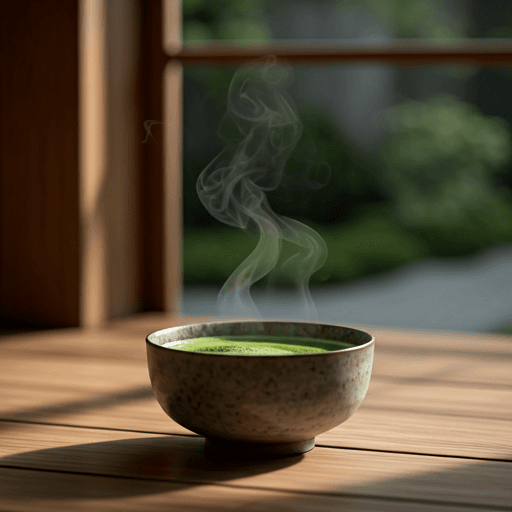
Cardamom tea is a fragrant spice infusion made by simmering or steeping crushed cardamom pods in hot water. On its own it is naturally caffeine-free, with a sweet, floral, faintly citrusy flavour and a cool, almost eucalyptus-like finish. You can drink it as a simple herbal cup, or fold cardamom into black tea and milk the way it appears in masala chai. This guide covers what it is, how to make it, what it tastes like, and the benefits people have traditionally linked to it.
What is cardamom tea?
Cardamom tea is an aromatic infusion built around cardamom pods, the dried seed pods of plants in the ginger family. There are two main kinds. Green cardamom (Elettaria cardamomum) is the sweet, perfumed pod most people mean when they say cardamom; it is the one used in desserts, aromatic rice, and chai. Black cardamom (Amomum subulatum) is larger and smoke-dried, with a bold, menthol-and-campfire character better suited to savoury cooking than to a gentle cup. For tea, green cardamom is the usual choice.
The drink comes in two broad styles. The first is a pure herbal infusion, also called a tisane, made from cardamom pods alone (sometimes with ginger, cinnamon, or a slice of lemon). Because it contains no leaves from the tea plant, this version is completely caffeine-free. The second style adds cardamom to actual tea, usually black tea with milk, which is how cardamom shows up in masala chai across the world. That version carries the caffeine of the black tea it is brewed with. If you want the wider picture of leaf-based versus herbal drinks, see our overview of what herbal tea is and the broader guide to types of tea explained.
What cardamom tea tastes like
Green cardamom is one of the most distinctive spices in the kitchen. Brewed into tea, it is sweet and floral up front, with a citrus brightness and a cooling, menthol-like lift on the finish that some people describe as eucalyptus or fresh mint. It is warming and aromatic without being hot or peppery. A light hand gives a delicate, perfumed cup; more pods make it bolder and more resinous. Cardamom plays well with other warm spices, which is why it sits so naturally alongside ginger, cinnamon, cloves, and black pepper in spiced blends.
How to make cardamom tea
The method is simple, and the single most important step is to crush the pods. Whole, intact pods only release surface oils; cracking them open lets the aromatic seeds inside flavour the water properly.
- Crush the pods. Lightly crack 3 to 4 green cardamom pods per cup with the flat of a knife, a mortar and pestle, or the back of a spoon. Use 5 to 6 pods for a stronger, more aromatic brew.
- Heat the water. Bring about 1 cup (240 ml) of water to a gentle boil per serving.
- Simmer or steep. Add the crushed pods and simmer for about 5 minutes for a fuller infusion, or take the water off the heat and steep, covered, for 5 to 7 minutes. Covering the cup keeps the volatile aromatics from escaping as steam.
- Strain and sweeten. Strain out the pods and seeds. Sweeten with honey or a little sugar if you like, and add a squeeze of lemon for brightness.
Easy variations
- Cardamom and ginger. Add a few slices of fresh ginger while simmering for a warming, throat-soothing cup. Our guide to ginger tea benefits and how to make it covers that base in detail.
- Cardamom black tea. Add a black tea bag or a teaspoon of loose black tea along with the pods for a caffeinated, malty cup.
- Cardamom milk tea (chai style). Simmer the pods with black tea, milk, and a little sweetener. This is the heart of masala chai, where cardamom is the signature spice.
Cardamom tea benefits
Cardamom has been used in traditional medicine for centuries, and modern research is beginning to look at its compounds, though much of it is early or done in labs rather than large human trials. Treat the points below as general, traditional context rather than promises, and keep in mind that a fragrant cup of tea delivers far less cardamom than a concentrated extract.
- Digestive comfort. Cardamom is one of the oldest folk remedies for digestion. It is traditionally used to ease bloating, gas, and that heavy, over-full feeling after a meal, and a warm spiced cup can simply feel settling.
- Fresher breath. Chewing cardamom pods is a long-standing way to freshen the breath, and its aromatic oils are studied for oral health. A cup after eating can leave the mouth feeling clean.
- Antioxidants. Like many spices, cardamom contains antioxidant plant compounds, the kind found across many herbs and teas, which the body uses to help counter everyday oxidative stress.
- Warming comfort. Beyond any specific effect, cardamom tea is a soothing, caffeine-optional ritual: aromatic, warming, and naturally sweet-smelling, which is reason enough to brew a cup.
Early research has also explored cardamom's possible effects on blood pressure and inflammation, but these findings are preliminary and usually involve doses well beyond what a cup of tea provides. They are not a reason to use cardamom tea to treat any condition.
This is general information, not medical advice. Cardamom tea is a food, not a treatment. If you are pregnant, take medication, or have a health condition, talk to a qualified clinician before relying on any herbal tea.
Caffeine in cardamom tea
How much caffeine your cardamom tea has depends entirely on what you brew it with. Cardamom itself contains no caffeine, so a pure pod infusion is caffeine-free and fine in the evening. Add black or green tea leaves and the cup picks up their caffeine. The table below sums up the common preparations.
| Preparation | Caffeine | Notes |
|---|---|---|
| Cardamom pods in water (pure infusion) | Caffeine-free | Floral, light, good any time of day |
| Cardamom with ginger or other spices | Caffeine-free | Warming, soothing; still no tea leaves |
| Cardamom added to black tea | Caffeinated | Carries the black tea's caffeine; malty and bold |
| Cardamom milk tea (chai style) | Caffeinated | Black tea plus milk; cardamom is the lead spice |
How to choose and store cardamom
For tea, reach for whole green cardamom pods rather than pre-ground powder. Whole pods hold their volatile aromatic oils far longer; ground cardamom fades fast and tastes flat within months. Look for plump, pale-green pods with no cracks or dust. Save black cardamom for stews and curries, where its smoky depth belongs, rather than for a delicate cup. Store pods in an airtight jar away from heat and light, and crush them only when you are ready to brew so the aroma stays locked inside until the last moment.
The bottom line
Cardamom tea is one of the easiest spice infusions to make and one of the most rewarding to smell. Crush a few green pods, steep them for five minutes, and you have a warming, naturally caffeine-free cup with a sweet, floral, citrusy lift, or a caffeinated one if you brew it with black tea. Drink it for the comfort and the aroma first, and let any traditional benefits be a bonus. If cardamom has you curious about spiced tea more broadly, the chai tea guide is a natural next read, since cardamom is the spice that makes chai sing.