
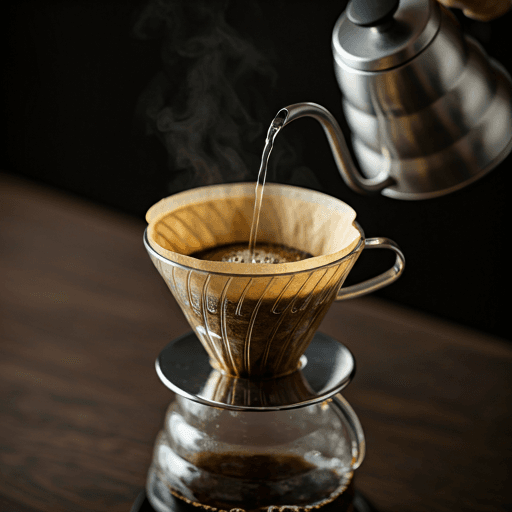
Bottled cold brew coffee is cold-steeped coffee sold ready to drink, so you can pour a smooth, low-acid iced coffee straight from the fridge without brewing anything yourself. It comes in bottles, cartons, cans and concentrates, and in styles that range from pure black to sweetened, flavored and milk-based "latte" drinks. This guide explains the formats, names well-known brands as factual examples, and gives you a clear way to choose the right one rather than a ranked list of "best" picks.
If you want to understand the drink itself before you shop, start with our explainer on what cold brew coffee is. This page is purely about picking a good store-bought bottle, carton or can.
What bottled cold brew coffee is
Cold brew is made by steeping coarsely ground coffee in cold or room-temperature water for many hours, usually 12 to 24, then filtering out the grounds. The slow, no-heat extraction produces a brew that tastes smoother, sweeter and less acidic than hot coffee poured over ice. Bottled cold brew coffee simply takes that process to a commercial scale, packages the result, and sells it chilled or shelf-stable so it is ready the moment you open it.
Two things separate a bottled product from a freshly pulled cafe cup. First, packaging and pasteurization let it keep for days or weeks rather than the day or two of a homemade batch. Second, the brand has already made the strength and sweetness decisions for you, which is convenient but also why reading the label matters. If you would rather control those decisions yourself, our guide to how to make cold brew coffee at home is the cheaper route.
It also helps to know what bottled cold brew is not. It is not iced coffee, which is simply hot-brewed coffee chilled and poured over ice, and it tastes brighter and more acidic. It is not the same as an iced latte from a cafe, though the milk-based bottles get close. And a black bottle is not automatically low-sugar once you reach the flavored and latte shelves, where the numbers can rival a soft drink.
The main formats of ready to drink cold brew
"Bottled" is a loose umbrella. When you scan a chilled aisle you will actually meet several formats, and the format matters more than the logo. Knowing them turns a wall of cartons into a quick decision.
Ready-to-drink black
This is unsweetened cold brew, already diluted to drinking strength, with nothing but coffee and water inside. It is the purest, lowest-calorie choice and the easiest to compare between brands because flavor is all you are tasting. Califia Farms sells a pure black option made from coffee and water alone, and Stok cold brew offers an unsweetened black built on an Arabica blend that drinks bold but rounded. If you take your iced coffee plain, start here.
Sweetened and flavored
These add sugar, vanilla, mocha, caramel or seasonal flavors. They taste like a treat and they are the easiest entry point for people who do not love black coffee, but the calorie and sugar counts climb fast. Stok, for example, sells lightly sweetened and "un-sweet" tiers alongside its black, which is a tidy way to dial in how much sugar you want. The honest move is to flip the bottle over and read the grams of added sugar before the front-of-pack words decide for you.
Milk-based "latte" style
Cold brew lattes blend the coffee with dairy or a plant milk for a creamy, cafe-style drink in a single bottle or can. La Colombe's Draft Latte is a well-known example, built from cold brew, milk and a touch of nitrogen for a frothy texture, and it comes in oat milk, vanilla and other flavored versions. These are the most indulgent format and behave more like a small milkshake than a black coffee, so check both sugar and fat if that matters to you.
Nitro cans
Nitro cold brew is infused with nitrogen, which forms tiny microbubbles that give the coffee a cascading pour and a velvety, almost creamy mouthfeel without any added dairy. Those microbubbles also nudge your palate toward perceiving sweetness that is not really there, so black nitro can taste smoother than its ingredient list suggests. Starbucks sells canned nitro cold brew in black and sweet-cream styles, and High Brew is another widely stocked canned option. Nitro is best enjoyed cold and poured straight down the middle of the glass, not over ice, so you keep the cascade and the foam.
Concentrate
Concentrate is cold brew brewed at a much higher coffee-to-water ratio, so it is strong and meant to be diluted with water, milk or ice before you drink it. It is the best value per cup and the most flexible, because one carton makes many drinks and you decide the strength. Chameleon and Wandering Bear are common large-format concentrate and bulk options; Chameleon's organic black concentrate, for instance, makes several servings from one bottle, and Wandering Bear's big boxes are designed to stay fresh in the fridge for weeks once opened. The trade-off is that you have to mix each glass, and drinking concentrate undiluted can deliver a very large caffeine dose.
A quick format comparison
| Format | What it is | Best for |
|---|---|---|
| RTD black | Unsweetened cold brew, diluted, just coffee and water | Plain iced coffee, lowest calories, easy brand comparison |
| Sweetened / flavored | Cold brew with sugar and flavors added | A treat or an easy step in for non-black-coffee drinkers |
| Milk-based latte | Cold brew blended with dairy or plant milk | Creamy, cafe-style drink straight from one bottle or can |
| Nitro can | Cold brew infused with nitrogen for a creamy, foamy pour | A smooth, velvety black coffee experience, no dairy needed |
| Concentrate | Strong cold brew you dilute with water, milk or ice | Best value and most control; making many drinks at home |
Concentrate vs ready to drink: cost and control
This is the choice that affects your wallet and your routine the most. Ready-to-drink cold brew is already cut to drinking strength, often somewhere around a 1-to-12 to 1-to-16 coffee-to-water ratio by the time it reaches the bottle. You open it and pour. Concentrate is brewed much stronger, frequently near a 1-to-8 ratio, and waits for you to add water, milk or ice, usually about one part concentrate to one or two parts of whatever you are diluting with.
The practical differences:
- Value: Concentrate makes more drinks per package, so the cost per glass is usually lower. RTD costs more per serving but saves you the mixing step.
- Control: With concentrate you set the strength, the milk and the sweetness yourself. RTD locks those in at the factory.
- Shelf life after opening: Concentrate in a sealed large format often keeps longer in the fridge than a small opened RTD bottle.
- Convenience: RTD wins on grab-and-go. Concentrate asks for a few seconds of mixing each time.
- Consistency: RTD tastes the same every pour. Concentrate is only as consistent as your dilution, so a measuring habit helps.
If you drink cold brew daily and like to customize, concentrate is the sensible default. If you want one bottle you can grab and drink on the move, RTD is the point.
How to choose the best bottled cold brew for you
There is no single "best bottled cold brew" for everyone, because the right pick depends on how you drink it. Run through this checklist and the field narrows quickly.
- Black vs sweetened: Decide first. Black is lower in calories and lets you judge the coffee itself; sweetened and latte styles are tastier out of the bottle but can carry a lot of added sugar. Read the sugar line, not just the front label.
- Concentrate vs RTD: Choose concentrate for value and control, RTD for grab-and-go convenience.
- Caffeine strength: Cold brew is often strong, and serving sizes vary. Some bottles pack two to three times the caffeine of a typical cup, and a bottle can contain more than one serving. Always check the milligrams per serving and how many servings the bottle holds.
- Dairy vs plant-based: If you want a latte style, confirm whether it uses dairy, oat, almond or another milk. Pure black and most concentrates are naturally dairy-free.
- Decaf options: If you are sensitive to caffeine or drinking late in the day, look for a decaf line; several brands offer one, though black and flavored regular versions are far more common.
- Roast and origin: Some brands name the roast level or the origin of the beans, and that shapes the cup, from bold and chocolatey to bright and fruity. A label that says nothing about the coffee usually means a middle-of-the-road blend.
- Freshness and refrigeration: Chilled, perishable cold brew tastes fresher but must stay cold and gets used up fast once opened. Shelf-stable cartons and cans last longer unopened but should also go in the fridge after opening. Check the date and storage note.
- Cost mindset: Think in qualitative tiers, from budget store and own-brand cartons to premium single-origin bottles, and match that to how often you will actually drink it.
A note on caffeine
Because cold brew is brewed strong, a single bottle can hold a lot more caffeine than a regular coffee, and a concentrate drunk undiluted hits even harder. That is great when you want a lift and less great late in the evening. If you are watching your intake, are pregnant or breastfeeding, or take medication that interacts with caffeine, check the label and talk to a clinician about what is right for you. Our caffeine explainer breaks down typical amounts and effects in plain language.
Bottled cold brew coffee brands as factual examples
To make the formats concrete, here are widely available brands named only as illustrations of each style, not as endorsements or recommendations:
- Stok and Califia Farms are common for ready-to-drink black, with Califia made from coffee and water and Stok built on an Arabica blend, both also sold in sweetened and flavored tiers.
- La Colombe Draft Latte is a recognizable milk-based latte style, including oat and flavored versions, with nitrogen for a frothy texture.
- Starbucks and High Brew are familiar canned options, including Starbucks nitro cold brew in black and sweet-cream variants.
- Chameleon and Wandering Bear are common concentrate and large-format choices for mixing your own at home; both lean strong and organic.
- Store and own brands often offer perfectly good budget cartons; for plain black cold brew especially, they can be hard to tell from name brands.
Availability varies a great deal by region and season, so treat these as a map of the categories rather than a shopping list. The format and the label facts matter more than the badge on the front.
When to skip the bottle and brew your own
Bottled cold brew wins on convenience, but it is the pricier way to drink cold brew long term. If you have a little time and a jar, making your own is dramatically cheaper, lets you control strength and sweetness exactly, and tastes wonderfully fresh. A French press, a fine sieve or a dedicated maker is all you need. See our walkthrough on how to make cold brew at home and our roundup of cold brew coffee makers if you want to compare gear before you commit. Many people keep both habits: bottles for busy mornings and travel, a homemade batch for the weekend.
The bottom line
Choosing bottled cold brew comes down to matching the format to your habit: black for purists, sweetened or latte styles for a treat, nitro cans for a creamy pour, and concentrate for value and control. Read the sugar and caffeine lines, mind the storage note, and you will land on a good bottle without needing anyone to crown a winner. When you are ready to go deeper, our coffee hub links out to the method, the gear and the brands behind every cold cup.