
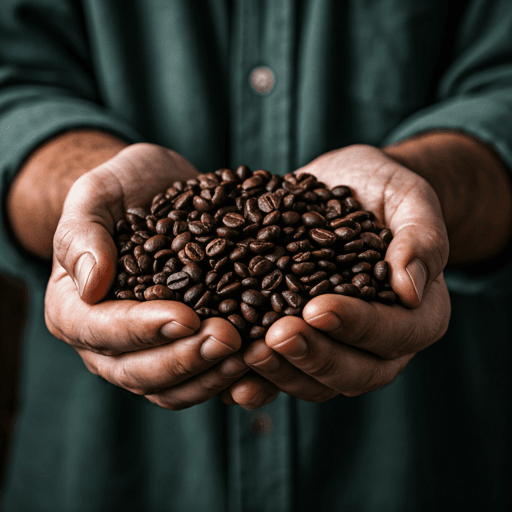
Does black coffee for weight loss actually work? The honest answer is: a little, and only in a supporting role. Black coffee is essentially calorie-free, and its caffeine can give a short-lived nudge to metabolism, appetite, and workout energy. But it is not a fat-burner that melts weight on its own. It can modestly support weight management alongside sensible eating and activity, and nothing more.
This guide explains the real mechanisms behind the claims you have seen, where they break down, and the caffeine side effects worth knowing before you lean on coffee as a diet tool. For the broader picture of why people drink it plain, see what is black coffee and the general black coffee benefits.
Black coffee for weight loss: the honest framing
Most of the appeal of black coffee for weight loss comes down to one unglamorous fact: a plain cup has roughly two calories. The moment you reach for it instead of a sugary, milky, or syrup-laden coffee drink, or instead of a soda, you can quietly remove a few hundred calories from your day. That swap, repeated daily, does far more for the scale than any metabolic trick caffeine can offer.
So when people talk about black coffee and fat loss, the biggest lever is not the coffee itself. It is what the coffee replaces. A black coffee in place of a 400-calorie blended frappe is a genuine calorie saving. A black coffee on top of everything else you already eat changes very little. Keep that order of magnitude in mind as you read the mechanisms below.
Black coffee does not burn fat for you. It removes calories when it replaces something sweeter, and it gives a small, temporary metabolic and appetite assist. The diet and the movement still do the work.
How caffeine and chlorogenic acids may help
Black coffee carries two compounds that turn up in nearly every weight-loss conversation: caffeine and chlorogenic acids. Both have real, measured effects. Both are modest.
A small metabolic bump (thermogenesis)
Caffeine stimulates the nervous system and can raise your metabolic rate for a few hours. Studies put the increase in the rough range of 3 to 11 percent, with the effect strongest in the first hour and fading as the caffeine clears. That is real, but small in absolute terms. It rarely amounts to more calories than you would find in a single biscuit, and it does not replace the calorie math of the day.
Short-term appetite curbing
A cup before a meal often takes the edge off hunger, and some people eat modestly less at the next sitting. The effect typically lasts one to three hours and does not erase hunger for the day. It can make a calorie-aware meal feel easier to stick to, not magically unnecessary.
Chlorogenic acids and glucose handling
Chlorogenic acids, which can make up as much as a tenth of coffee's dry weight, may slow how quickly glucose is absorbed and influence how the body handles carbohydrates. The evidence here is interesting rather than dramatic, and lighter roasts tend to retain more of these compounds. Do not expect a noticeable change on the scale from chlorogenic acids alone.
A pre-workout energy lift
This is arguably the most practical angle for black coffee and weight loss. Caffeine taken roughly 30 to 60 minutes before exercise can improve focus, perceived effort, and endurance, which may help you train a little harder or longer. Burning more during a workout you actually complete is a more reliable contribution than any resting metabolic bump.
The catch: where black coffee fat loss falls apart
Every mechanism above comes with a ceiling, and a few habits quietly cancel them out. If you are counting on black coffee fat loss, these are the catches to respect.
| How it may help | The catch |
|---|---|
| Essentially calorie-free (about 2 cal/cup) | Adding sugar, cream, flavoured syrups, or whipped toppings erases the calorie advantage instantly. |
| Caffeine gives a small metabolic bump | The effect is modest and temporary, and tolerance builds within days to a couple of weeks of regular use. |
| May curb appetite for 1-3 hours | It does not eliminate hunger for the day, and is not a meal replacement; skipping meals can backfire. |
| Pre-workout energy can improve training | Only helps if you actually exercise; coffee plus a sedentary day does little. |
| Swapping out sugary drinks cuts calories | Drinking black coffee on top of an unchanged diet changes very little. |
The single most important catch is tolerance. Your body adapts to caffeine quickly, so the metabolic and appetite effects shrink as black coffee becomes a daily habit, which for most people it is. More cups do not restore the effect; they mostly add side effects. There is no version of "drink black coffee for weight loss" where stacking up cups burns more fat.
Black coffee side effects and cautions
Because the upside leans on caffeine, so does the downside. The black coffee side effects worth knowing are mostly caffeine side effects, and they matter more the more you drink.
- Jitters and anxiety. Too much caffeine can leave you restless, shaky, or on edge, and can amplify existing anxiety.
- Poor sleep. Caffeine lingers for hours; an afternoon or evening cup can quietly wreck sleep. Poor sleep itself works against weight management by disrupting appetite hormones.
- Raised heart rate and palpitations. Some people notice a faster or fluttering heartbeat, especially at higher doses.
- Stomach discomfort. Coffee on an empty stomach can feel harsh and may aggravate acid reflux or an unsettled gut for some.
- It is not a meal. Using coffee to skip meals tends to backfire with rebound hunger and low energy.
Caffeine sensitivity varies widely from person to person. As a general reference, many health authorities consider up to about 400 mg of caffeine a day (roughly three to four cups of brewed coffee) reasonable for most healthy adults, but your own tolerance may be much lower. For the full picture of how caffeine behaves, see caffeine explained and our balanced rundown of black coffee benefits and side effects.
A sensible way to use black coffee
If you want to give black coffee a fair role in weight management without overdoing it, keep it simple. Use this short checklist rather than chasing a metabolic shortcut.
- Make it a swap. Use black coffee to replace sugary or milky drinks, not to add to them. That is where the real calories disappear.
- Keep it actually black. Skip sugar and syrups. If plain coffee feels rough, a lighter roast and a clean brew at around 1 part coffee to 16 parts water is more forgiving.
- Time the caffeine. A cup before a workout can help; a late-day cup can ruin sleep. Front-load it.
- Stay moderate. More cups do not mean more fat loss. They mostly mean more jitters and worse sleep.
- Anchor it to habits that matter. Diet quality, total calories, protein, movement, and sleep are the levers. Coffee is a small assist, not the plan.
The bottom line
Black coffee can be a genuinely useful, near-zero-calorie habit that supports a weight-management effort, mainly by replacing higher-calorie drinks and offering a small, short-lived caffeine assist before exercise. It is not a fat-burner, and it cannot outwork an unchanged diet. Treat the metabolic and appetite effects as a minor tailwind, respect the side effects, and keep your expectations honest.
This is general information, not medical advice or a treatment plan. If you are pregnant or breastfeeding, take medication, or live with a heart, anxiety, or gastrointestinal condition, talk with a clinician or registered dietitian before leaning on caffeine. For more on the wider drink, browse the coffee guides.