
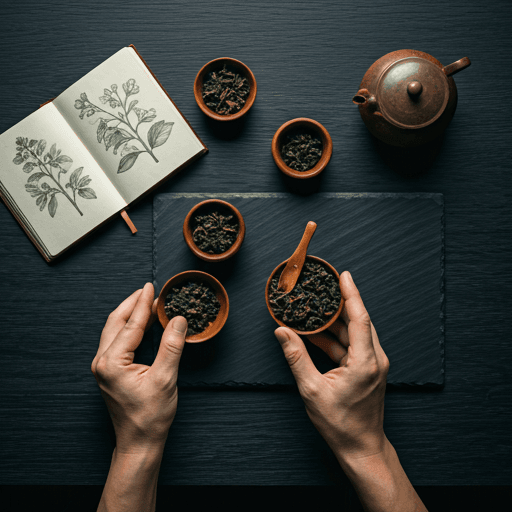
If you are looking for a tea for acid reflux, the short answer is that the gentlest options are caffeine-free herbal infusions that soothe the stomach rather than stimulate acid or relax the valve at the top of the stomach. Chamomile, ginger (in moderation), fennel, licorice (DGL), slippery elm, and marshmallow root are the ones people reach for most. Just as important is what to limit: peppermint and spearmint can actually worsen reflux for many people, and strong caffeinated black or green tea can too.
This is a general guide to enjoying tea more comfortably, not medical advice. Acid reflux, heartburn, and GERD vary a lot from person to person, so treat the suggestions below as a starting point and pay attention to how your own body responds.
How tea interacts with reflux
Reflux happens when stomach contents travel back up into the esophagus, usually because the ring of muscle at the top of the stomach, the lower esophageal sphincter (LES), opens when it should stay shut. A few things about a drink influence that: caffeine and certain compounds can relax the LES, very hot drinks or very large volumes can add pressure, and acidity can irritate an already sensitive esophagus.
That is why a soothing cup is mostly about what it does not do. The friendliest infusions are caffeine-free, low in acid, and gentle, and several contain mucilage or anti-spasmodic compounds that some people find calming. None of this treats or cures GERD. If your reflux is frequent, severe, painful, or interrupts sleep, see a clinician, and check with them first if you are pregnant, breastfeeding, or taking medication, since some herbs interact with drugs.
Which tea for acid reflux is gentlest?
These are the herbal infusions most often suggested for sensitive stomachs. They are enjoyable everyday drinks, and any soothing effect is typically mild and individual rather than a guaranteed fix.
Chamomile
A classic calming, caffeine-free herbal. Chamomile is mildly anti-inflammatory and anti-spasmodic, and many people find a warm cup soothing in the evening, when nighttime reflux can be at its worst. See chamomile tea benefits for more on what it does and how to brew it.
Ginger, in moderation
Ginger is one of the better-studied herbs for upper-digestive comfort and is associated with quicker stomach emptying and less nausea. The catch is dose: a little may settle the stomach, but a lot can aggravate reflux for some people, so keep it light rather than fiery. Our ginger tea guide walks through a gentle brew.
Fennel
Mildly sweet and licorice-like, fennel is caffeine-free, often described as anti-spasmodic, and traditionally sipped after meals to ease bloating. Many reflux-sensitive drinkers find it one of the easier herbs to tolerate.
Licorice root (look for DGL)
Licorice is traditionally used to support the mucus layer that protects the stomach and esophagus. Regular licorice can raise blood pressure and affect potassium with frequent use, so the deglycyrrhizinated form, labeled DGL, is the one usually recommended for ongoing use. If you have high blood pressure, kidney or heart conditions, or take medication, ask a clinician before drinking it regularly.
Slippery elm and marshmallow root
Both are rich in mucilage, a gel-like substance that some people feel coats and soothes an irritated throat or esophagus. They have a mild, slightly earthy taste and are caffeine-free, and many people sip them before a meal so the coating is in place before acid rises. As with any herb, space them apart from medications, since mucilage can affect absorption.
Most other caffeine-free herbals
Beyond the headliners, many low-acid, caffeine-free infusions are easy on a sensitive stomach, including rooibos and lemon balm. Browse the broader herbal tea guide to see the wider family of options.
Teas to limit or avoid with reflux
Some popular teas work against you if you are prone to heartburn. None are dangerous in a normal cup, but if reflux is a recurring problem these are the ones to watch.
Peppermint and spearmint
This is the big one. Peppermint, and to a lesser degree spearmint, can relax the lower esophageal sphincter, the very valve you want to stay closed. That LES-relaxing effect is well documented, and some dietary studies have linked regular peppermint tea to more reflux symptoms, so for many people mint is counterproductive even though it feels cooling and settles other kinds of stomach upset. If you love mint, our peppermint vs spearmint guide explains the difference; just know that both are common reflux triggers.
Strong black and green tea
True teas from the tea plant contain caffeine, which can relax the LES and stimulate acid, and brewed strong they are also more astringent. You do not necessarily have to give them up, but weaker brews, smaller cups, and caffeine-free or decaffeinated versions are gentler. Avoid them late in the evening when nighttime reflux is a concern.
Very hot or very large servings
Temperature and volume matter regardless of the leaf. A scalding mug or a big bowl-sized serving puts more pressure on the stomach, so let tea cool to comfortably warm and favor smaller cups.
Quick reference: which teas for reflux
| Tea | Reflux-friendly? | Note |
|---|---|---|
| Chamomile | Generally gentle | Caffeine-free, calming, popular in the evening |
| Fennel | Generally gentle | Caffeine-free, often sipped after meals |
| Ginger | Gentle in moderation | A little may soothe; a lot can aggravate some people |
| Licorice (DGL) | Often suggested | Use the DGL form; caution with high blood pressure or medication |
| Slippery elm / marshmallow root | Often suggested | Mucilage may soothe; space apart from medicines |
| Rooibos / lemon balm | Generally gentle | Caffeine-free, low-acid everyday options |
| Peppermint / spearmint | Often best avoided | Can relax the LES and worsen reflux for many |
| Strong black or green tea | Limit | Caffeine and astringency; brew weak, choose decaf, avoid late |
How to brew and drink tea when you are prone to reflux
How you drink matters as much as what you drink. A few habits make the same cup easier on a sensitive stomach.
- Warm, not scalding. Let tea cool to a comfortable temperature before sipping.
- Smaller cups, sipped slowly. Sipping spreads the volume out and adds less pressure than gulping a large mug.
- Not right before lying down. Leave a couple of hours between your last cup and bed so the stomach can settle; nighttime is when reflux often flares.
- Go caffeine-free or decaf in the evening. Save any caffeinated tea for earlier in the day, and brew it on the weaker side.
- Skip the heavy add-ins. Very fatty milk, lots of sugar, or carbonation can each contribute to reflux for some people.
- Watch your own triggers. Reflux is individual, so keep what agrees with you and drop what does not, even if a herb is on the "friendly" list.
What to look for in a reflux-friendly cup
If you are standing in front of a shelf of tins and boxes, this short checklist makes the choice easier:
- Caffeine-free first. Pure herbal infusions (tisanes) carry no caffeine; true teas from the tea plant do.
- Single-herb or simple blends. A straightforward chamomile, fennel, or ginger is easier to judge than a busy blend that hides a few leaves of peppermint.
- Read the ingredient list for mint. Peppermint and spearmint turn up in many "digestive," "after-dinner," and "calming" blends, so scan before you buy.
- Low or no added acid. Strong citrus, hibiscus, and tart fruit blends are more acidic and can sting a sensitive esophagus.
- Look for DGL on licorice. If you want licorice regularly, the deglycyrrhizinated form is the gentler choice.
A note on honesty and your own body
It is worth repeating that a soothing tea is a pleasant ritual, not a treatment. Herbs like ginger and chamomile may help some people feel more comfortable, and others find no difference; that is normal. None of these teas treats, cures, or replaces care for GERD or persistent heartburn. If reflux is frequent, getting worse, painful, or waking you at night, or if you are pregnant, breastfeeding, or on medication, talk to a clinician before leaning on any herbal remedy.
The bottom line
For most people, the most reflux-friendly cup is a warm, modest, caffeine-free herbal such as chamomile, fennel, or a light ginger, sipped well before bed. The clearest tea to think twice about is peppermint, since its mint compounds can relax the very valve that keeps acid down. Beyond that, listen to your body and keep exploring gentle, enjoyable infusions at your own pace.