
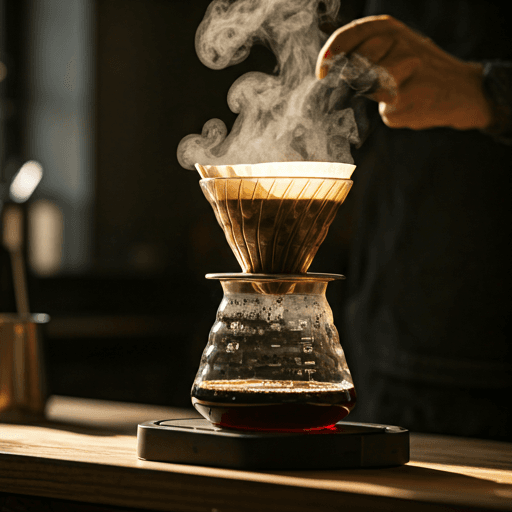
What is a coffee nap? It is a simple energy trick: you drink a cup of coffee quickly and then immediately lie down for a short 15 to 20 minute nap. Because caffeine takes roughly 20 minutes to travel from your gut to your brain, you wake up just as it starts to kick in — so you get the combined lift of both the rest and the caffeine, rather than one or the other. Fans sometimes call it a "nappuccino" or a caffeine nap, and small studies suggest the pairing can leave you feeling sharper than a nap or a coffee on its own.
It sounds like a contradiction — coffee is supposed to keep you awake, so why drink it right before sleeping? The answer is all about timing, and it is what makes the coffee nap such a neat little piece of everyday biology.
What is a coffee nap, and why the timing works
The whole idea rests on one fact: caffeine is not instant. When you swallow coffee, the caffeine has to move through your stomach and small intestine and into your bloodstream before it reaches the brain and does anything noticeable. For most people that journey takes somewhere around 20 minutes, though the exact number varies from person to person.
That roughly 20 minute delay is normally a mild annoyance — you drink a coffee and sit there waiting to feel awake. The coffee nap turns the delay into an opportunity. Instead of scrolling on your phone while the caffeine catches up, you use that window to nap. You drink, you lie down, you doze for 15 to 20 minutes, and the caffeine arrives right around the moment your alarm goes off. The nap and the stimulant peak together instead of fighting each other.
The key is keeping the nap short. A 20 minute nap keeps you in the lighter stages of sleep, so you wake up feeling refreshed rather than groggy. Sleep longer and you risk drifting into deep sleep, which is much harder to surface from — that heavy, disoriented feeling has a name, sleep inertia, and it is exactly what the coffee nap is designed to sidestep. If you want the deeper background on how the molecule itself behaves, our guide to what caffeine is and how it works covers the chemistry.
Why a coffee nap may work: the adenosine angle
To see why the combination beats either half alone, you need to meet a molecule called adenosine. As your brain burns energy through a long day, adenosine gradually builds up, and it is one of the main signals that makes you feel tired. Think of it as sleep pressure quietly accumulating hour by hour.
Caffeine does not remove adenosine. Instead, it works by blocking the receptors that adenosine would normally dock onto — it parks in the spot, so the "I'm tired" message struggles to get through. But there is a catch: if a lot of adenosine has already built up, it is competing hard for those same receptors, and caffeine has to fight for space.
This is where the nap earns its keep. Sleep is one of the ways your brain actually clears adenosine out. So when you nap for 15 to 20 minutes, you lower the adenosine level before the caffeine even arrives. By the time the coffee reaches your brain, there is less adenosine crowding the receptors, so the caffeine has an easier job and a clearer effect. Small studies suggest this one-two punch reduces sleepiness and improves alertness more than a nap or a coffee taken by itself, with some research pointing to better reaction times and fewer attention slips afterward. The findings are modest and responses vary, but the underlying logic is tidy.
The nap lowers adenosine; the caffeine blocks what is left. Together they clear more of your sleepiness than either one manages alone.
How to take a coffee nap, step by step
There is no gadget and no special recipe here — a coffee nap is mostly about order and timing. The table below walks through each step and the reason it matters.
| Step | Why it matters |
|---|---|
| Drink a coffee fairly quickly (in a few minutes, not sipped over half an hour) | You want the caffeine to start its roughly 20 minute journey all at once, so it peaks as you wake — not spread out across your nap. |
| Skip extras that slow it down or overload it | A plain, not-too-large coffee is easiest to drink fast and keeps the caffeine dose sensible; a giant sugary drink is harder to down quickly. |
| Lie down straight away and set an alarm for 20 minutes | The alarm is non-negotiable — it stops you sliding into deep sleep, which is what causes grogginess. |
| Keep the nap to 15 to 20 minutes, no longer | Short naps stay in light sleep, so you wake refreshed and let the coffee arrive on cue. |
| Aim for the early afternoon slump, not the evening | Post-lunch is the natural dip in alertness; late-day caffeine can wreck that night's sleep. |
| Don't stress if you don't fully fall asleep | Even light dozing or quiet rest lowers adenosine somewhat, so the trick still gives some benefit. |
A few practical notes. It is fine if sleep doesn't come easily in 20 minutes — lying still with your eyes closed in a dim, quiet spot does much of the work. Iced or hot makes no difference to the mechanism; drink whatever you can finish quickly. And the amount of caffeine matters more than the temperature or the brand, so if you are watching your intake it helps to know roughly how much caffeine a day sits in a comfortable range for you.
Who a coffee nap helps — and who should skip it
The coffee nap shines in a very specific situation: the mid-afternoon energy crash. If you hit a wall after lunch and have a genuine 20 minute window — a lunch break, a lull between tasks, a rest stop on a long drive — it is a low-effort way to come back sharper. Shift workers, students and long-distance drivers are the classic beneficiaries, and driving-simulator research is part of why the trick got popular in the first place.
But it is not for everyone or every hour. Here is where to be cautious:
- If you have insomnia or already sleep badly, deliberately adding caffeine near a nap can backfire and make nighttime sleep worse. This is one to approach carefully, or skip.
- Late in the day is a bad idea. Caffeine can linger in your system for many hours, so an afternoon-evening coffee nap may still be quietly sabotaging your bedtime. Keep it to the earlier part of the day.
- If you are sensitive to caffeine, the jittery, anxious edge some people feel may outweigh the perk. Caffeine tolerance and sensitivity differ hugely from person to person.
- If you are cutting back on caffeine for any reason — sleep, pregnancy, a health condition, or just personal preference — a coffee nap obviously isn't the tool for you.
Whether caffeine is a good idea for you at all is a bigger question than any single hack. Our overview of whether caffeine is good for you lays out the trade-offs, and there is a separate look at the broader everyday benefits of coffee if you want the wider picture.
Does a coffee nap work for everyone?
No — and this is the honest headline. The coffee nap is a genuinely clever bit of timing backed by small, encouraging studies, but it is not a universal switch. How fast you absorb caffeine, how much you already drink, how easily you fall asleep, and your own body chemistry all change the outcome. Regular heavy coffee drinkers may feel less of a lift because they have built up tolerance; light drinkers may feel more, sometimes to the point of jitters. Some people simply cannot nap on demand, and for them the caffeine half still helps a little while the nap half does not.
The best approach is to treat it as an experiment rather than a prescription. Try it once on a low-stakes afternoon, keep the nap to 20 minutes, and notice how you feel an hour later versus a normal coffee. If it leaves you sharper, you have a handy tool for the post-lunch slump. If it just makes you groggy or wired, that is useful information too.
Responses vary from person to person, and this is general information, not medical advice — if caffeine, sleep or anxiety is a real concern for you, talk to your own healthcare provider rather than relying on an internet trick. Used sensibly and in daylight hours, though, the humble coffee nap remains one of the more charming pieces of practical science you can test with nothing more than a cup and a 20 minute alarm.