
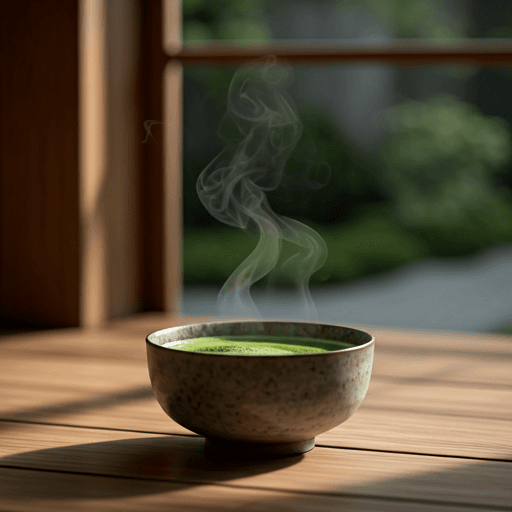
A chai latte is a cafe drink made by combining spiced black tea with steamed, frothed milk and a touch of sweetness. The "tea" part is essentially masala chai — black tea brewed with cardamom, cinnamon, ginger, cloves and a hint of black pepper — while the "latte" part is the velvety steamed milk borrowed from the espresso bar. The result is warm, gently spiced and creamy, served hot or iced.
If you have ever stood at a counter and wondered what separates this from a regular cup of spiced tea, the short answer is milk and method. A traditional cup is brewed; a cafe version is usually built from a concentrate and steamed to order. Below we break down exactly what goes into the drink, how it is made, and the variations worth knowing.
What a chai latte actually is
At its core, a chai latte has two components: a strongly spiced black-tea base and steamed milk. The spice blend is the same warming family used in masala chai — cardamom and cinnamon for sweetness and aroma, ginger and black pepper for a little heat, and cloves for depth. Some blends add nutmeg, allspice or star anise. The exact mix is a matter of regional taste and personal habit, which is why no two chai lattes taste quite the same.
The drink is almost always sweetened, which is part of what gives it that dessert-adjacent, comforting quality. In a cafe it is typically topped with a thin layer of foam and sometimes a dusting of cinnamon. Because it is built on tea rather than coffee, a standard chai latte contains no espresso — the caffeine comes from the black tea, which is moderate: less than a shot of espresso but more than a caffeine-free herbal infusion.
"Chai" already means "tea" in Hindi and many other languages, so "chai tea latte" technically says "tea tea latte." It is redundant — but it is also the name printed on a lot of menus, so you will hear it everywhere.
The "chai tea latte" name
You will see this drink listed as a chai tea latte, a tea latte, or simply chai latte depending on the cafe and the country. They all point to the same thing: spiced black tea plus steamed milk. The doubled-up wording is a quirk of how the word travelled into English, where "chai" came to mean specifically the spiced, milky style rather than tea in general. Order whichever phrasing the menu uses; the barista will know what you mean.
Chai latte vs masala chai: the key difference
This is the comparison that trips most people up. A chai latte is a Western cafe adaptation of masala chai, and while they share a spice family, they are made very differently and taste different as a result.
| Feature | Masala chai (traditional) | Chai latte (cafe) |
|---|---|---|
| How it is made | Tea and whole spices simmered directly in milk and water | Usually built from a chai concentrate or syrup plus steamed milk |
| Spices | Fresh whole spices, bloomed in the pot | Pre-ground spices in a concentrate; flavor is rounder, less sharp |
| Milk | Boiled in with the tea | Steamed and frothed separately, espresso-machine style |
| Sweetness | Sweetened to taste, often modest | Generally much sweeter |
| Texture | Thinner, brewed-tea body | Creamier, with foam on top |
In short: masala chai is brewed from scratch, often on a stovetop, with spices that bloom in the hot liquid. A chai latte is assembled — a pre-made spiced concentrate steamed together with milk. The latte tends to be milkier, sweeter and more uniform, which is exactly why it scales so well behind a busy counter. If you want to make the traditional version yourself, see our guide to masala chai at home.
How a chai latte is made in a cafe
Most cafes do not brew tea and spices to order — it would take too long during a morning rush. Instead, they keep a chai concentrate (a strong, sweetened, spiced tea base) or a chai syrup on hand. The barista pulls a measure of concentrate, then steams milk and combines the two, much like the milk step in any latte.
- Measure the base. A shot or two of chai concentrate (or pumps of chai syrup) goes into the cup.
- Steam the milk. Milk is heated and frothed with the steam wand to a smooth, slightly foamy texture.
- Combine. The steamed milk is poured over the concentrate, mixing the spice base into the creamy milk.
- Finish. A little foam on top, often a sprinkle of cinnamon or nutmeg.
The ratio is roughly one part concentrate to two or three parts milk, but it varies by cafe and by how strong you ask for it. Because it relies on a ready-made base, a cafe chai latte is fast and consistent — the trade-off is that it rarely has the layered, fresh-spice complexity of a from-scratch pot.
A simple cafe-style chai latte at home
You do not need an espresso machine. Here is a straightforward version that gets you most of the way there.
You will need:
- 2 black tea bags (or 2 tsp loose black tea)
- 1 cup water
- 1 cup milk (dairy, oat or almond)
- Whole or ground spices: a cinnamon stick, a few cardamom pods, 2–3 cloves, a slice of fresh ginger, a pinch of black pepper
- Sweetener to taste (sugar, honey or maple syrup)
Steps:
- Lightly crush the whole spices and toast them in a dry saucepan for a minute until fragrant.
- Add the water and bring to a simmer; add the tea and steep for 3–5 minutes for a strong base.
- Pour in the milk and warm gently — do not let it boil over.
- Sweeten to taste, then strain into a mug.
- For foam, froth a little extra warm milk with a whisk or handheld frother and spoon it on top.
Make the spiced base stronger than you think you need: the milk dilutes it, and a weak base is the most common reason a homemade chai latte tastes flat.
What is a dirty chai?
A dirty chai is a chai latte with a shot of espresso added. The espresso "dirties" the clean spiced-milk drink, giving it a coffee backbone and a real caffeine lift. A double dirty chai uses two shots. It is the natural bridge for coffee drinkers who like the spice of chai but want more kick — you get the warming cardamom-and-cinnamon profile of the tea base layered over the roast and body of the coffee. If you are unsure how strong you want it, start with a single shot; the spices and milk will round off some of the espresso's edge.
Hot, iced and milk choices
The chai latte is flexible, which is a big part of its global popularity.
- Hot: the classic — steamed milk and warm concentrate, with foam on top.
- Iced: the concentrate is mixed with cold milk and poured over ice. Refreshing, with the spices reading a little brighter against the cold.
- Dairy vs plant milk: whole milk gives the richest, creamiest cup. Oat milk is a popular swap because its natural sweetness and body suit the spices well; almond and soy work too, though they are thinner and slightly nuttier.
Because the spice base does the heavy lifting on flavor, a chai latte handles milk substitutions more gracefully than many coffee drinks. It is a close cousin of other comforting milk teas from around the world, all built on the same idea of tea softened and enriched with milk.
Where to go from here
A chai latte is one of the friendliest drinks on any menu: spiced, creamy and easy to customize. Now that you know it is essentially masala chai dressed up with steamed milk — and that a dirty chai just adds espresso — you can order, or build, exactly the cup you want. To dig deeper into the tea itself, read up on what chai tea is, or try the stovetop original with our masala chai recipe.