
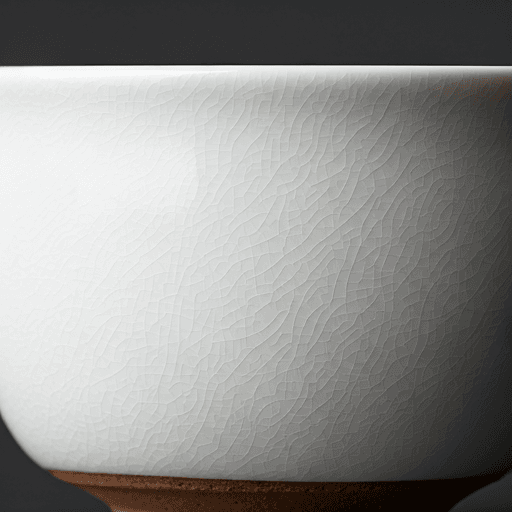
Milk tea is exactly what the name suggests: a cup of milk and tea, built around a strong black tea brew that is softened with milk and a touch of sweetener. The trick is balance. The tea has to be brewed strong enough to stand up to the milk, so the result tastes rich and rounded rather than weak and watery. That single idea connects styles from Hong Kong to Thailand to the chai-style brews of South Asia.
Below we explain what milk tea is, walk through the global milk-tea family, and give you a simple method with ratios you can adjust to taste. One thing to clear up early: milk tea is not the same as bubble tea. Boba is milk tea plus chewy tapioca pearls, which we cover separately.
What milk tea is
At its core, milk tea is the combination of milk and tea with a little sugar. You start with black tea brewed strong, then add milk and sweetener until the cup tastes smooth and balanced. The black tea base matters. A delicate, lightly steeped tea disappears the moment milk hits it, which is why most milk-tea traditions lean on robust, full-bodied black teas such as Assam, Ceylon, or a blend that includes orange pekoe.
The milk does two jobs. It mellows the tannins that make strong black tea taste sharp, and it adds body. Depending on the style, that milk can be fresh dairy, evaporated milk, sweetened condensed milk, or a plant-based alternative. Sweetener is usually plain sugar, but condensed milk often does double duty as both the cream and the sugar.
The golden rule of milk tea: brew the tea stronger than you think you need to. Milk dilutes flavour, so a brew that tastes almost too strong on its own usually lands perfectly once the milk goes in.
Milk tea is not bubble tea
This causes endless confusion, so it is worth stating plainly. Milk tea is the drink: tea, milk, sweetener. Bubble tea, also called boba, is milk tea served with chewy tapioca pearls at the bottom of the cup, usually iced and shaken. Bubble tea began in Taiwan in the 1980s, and the original "bubble" actually referred to the frothy foam that forms when the drink is shaken, not the pearls. If you want the pearls, read our guides to what bubble tea is and how to make boba milk tea at home. Everything on this page is the milk-tea base those drinks are built on.
The global milk-tea family
Milk tea is not one recipe. It is a whole family of regional styles that share the same backbone of strong black tea and milk, then split off in how they handle the milk, the sweetness, and the spices. Here is how the best-known styles differ.
| Style | Tea base | Milk & sweetener | Served |
|---|---|---|---|
| Hong Kong-style | Strong blend, often Ceylon and Assam | Evaporated and/or condensed milk, sugar | Hot or iced, very smooth |
| Thai milk tea | Strongly brewed, often spiced black tea | Condensed milk, topped with evaporated milk | Iced, bright orange, sweet |
| Masala-chai style | Black tea simmered with spices | Fresh milk, sugar | Hot, spiced, brewed in milk |
| Boba / bubble base | Black, green, or oolong base | Milk or non-dairy, sugar or syrup | Iced, shaken, with tapioca pearls |
| British "builder's" tea | Strong black blend | A splash of fresh milk, optional sugar | Hot, everyday cup |
Hong Kong-style milk tea
Hong Kong milk tea, sometimes nicknamed "silk stocking" tea after the fine cloth filter used to strain it, is famous for being intensely smooth. It grew out of British colonial afternoon tea, then was reinvented for local tastes in the city's diners and street stalls. It uses a blend of strong black teas, brewed long and dark, then enriched with evaporated milk, condensed milk, or both. A common starting ratio is about one part evaporated milk to three parts tea, adjusted to taste. The repeated straining through the cloth "sock" is what gives it that silky texture. It is served hot or over ice.
Thai milk tea
Thai milk tea, or cha yen, is the sweet, creamy iced drink with the unmistakable orange colour. It starts with strongly brewed black tea, sweetened with condensed milk and finished with a pour of evaporated milk over ice. The orange hue mostly comes from food colouring used in commercial Thai tea mixes rather than the tea itself, and the blend is sometimes scented with spices and orange-blossom notes. It is almost always served iced and on the sweeter side.
Masala-chai-style milk tea
In the chai tradition, the milk tea is brewed differently: the tea leaves and spices are simmered directly in a mix of water and milk rather than the milk being added at the end. The result is a hot, aromatic, fully blended cup. That simmer-in-milk method is the clearest cousin to the silk-stocking and Thai styles, just spiced and served hot.
The boba and bubble-tea base
The milk tea poured into a bubble-tea cup is the same idea on a larger, colder, sweeter scale, usually shaken with ice and built to carry chewy tapioca pearls. Make the milk tea first, then add the pearls. That order is the whole secret to good homemade boba.
How to make milk tea: a simple method
This is a flexible base recipe for a smooth hot cup. Once you have the technique, you can push it toward any of the styles above. Learning how to make milk tea well comes down to three things: brew strong, add the right milk, and balance the sweetness last.
Ingredients (one large cup)
- 2 teaspoons loose-leaf strong black tea, or 2 tea bags (Assam, Ceylon, or a breakfast blend)
- About 1 cup (240 ml) fresh-boiled water
- Milk to taste: roughly a quarter cup fresh milk, or 2 to 3 tablespoons evaporated milk for a richer cup
- Sweetener to taste: 1 to 2 teaspoons sugar, or sweetened condensed milk in place of both milk and sugar
Steps
- Boil fresh water. Use water that has just reached a rolling boil. Black tea wants near-boiling water to extract full flavour.
- Brew strong. Steep the tea for 4 to 5 minutes, longer than you would for a plain cup. You want a brew that tastes almost too strong, because the milk will soften it.
- Strain well. Remove the leaves or bags. For a Hong Kong-style finish, pour the tea through a fine strainer once or twice for extra smoothness.
- Add the milk. Pour in your milk of choice and stir. Start with a little and add more until the colour turns a warm caramel and the flavour rounds out.
- Sweeten last. Add sugar or condensed milk a little at a time, tasting as you go. Sweetness should support the tea, not bury it.
- Serve. Drink it hot, or pour over ice for an iced milk tea. For Thai-style, sweeten more generously and serve iced.
Getting the ratio right
A safe starting point is roughly three parts tea to one part milk, then adjust. Want it creamier? Add more milk or switch to evaporated milk. Want it stronger? Steep longer or use more leaf, not less milk. Iced versions need an even stronger brew because melting ice dilutes everything. For brewing the loose-leaf base itself, our guide to brewing loose-leaf tea covers the fundamentals you can build any milk tea on.
Choosing your tea and milk
The single biggest factor in good milk tea is a strong, full-bodied black tea. Assam brings malty depth, Ceylon adds brightness, and a classic breakfast blend gives you both. Green or oolong teas can work for lighter milk teas and many boba shops, but they need a gentle hand so the milk does not flatten them.
On the milk side, fresh dairy makes a clean, everyday cup. Evaporated milk gives a thicker, richer mouthfeel and is the secret behind Hong Kong-style smoothness. Condensed milk sweetens as it enriches, which is why it dominates Thai milk tea. Plant-based options such as oat or soy work too, though they change the flavour and froth differently. There is no single right answer here; the right milk is the one that gives you the texture you enjoy.
Common mistakes to avoid
- Brewing too weak. The most common error. If your milk tea tastes thin, the fix is almost always a stronger brew, not less milk.
- Burning the leaves. Boiling tea aggressively for too long pulls out harsh bitterness. Steep, do not violently boil, unless you are simmering chai with spices.
- Over-sweetening early. Add sweetener at the end and taste as you go. You can always add more; you cannot take it out.
- Skipping the strain. A clean strain, especially a second pass, is what separates a silky cup from a cloudy one.
Where to go next
Milk tea is one of the most forgiving drinks to learn, because the whole thing rests on one principle: brew strong, then balance with milk and sweetness. Once that clicks, every regional style becomes a variation on a theme you already understand. From here, if the chewy pearls are calling, read up on making boba milk tea at home, or keep exploring the wider world of leaf and brew over on our tea hub. The best next cup is just a slightly different ratio away.