
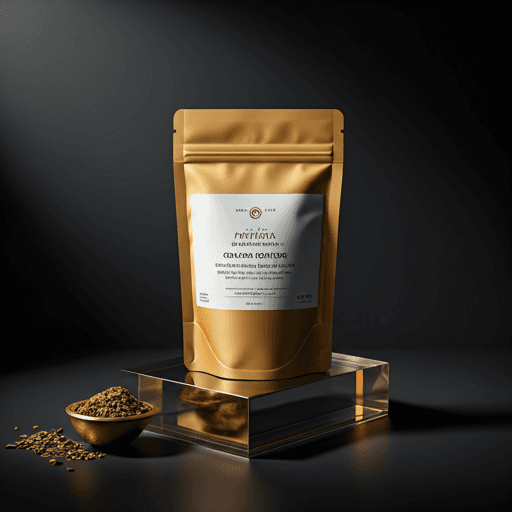
Tian Jian ("Heaven Tip," 天尖) is the top loose-leaf grade of Anhua dark tea — the post-fermented "hei cha" of Anhua County in Hunan, China. It is unpressed leaf rather than a brick, and it sits at the head of the traditional "three tips" (san jian) grades, above Gong Jian and Sheng Jian. Made from the tenderest spring pickings, tian jian tea pours a cleaner, sweeter, smoother cup than Anhua's dense pressed bricks, while still carrying the family's signature aged-wood and betel-nut mellowness.
What is Tian Jian tea?
Tian Jian belongs to the Anhua hei cha family — dark teas that turn dark not by oxidation but through a deliberate microbial stage called pile fermentation. That "dark tea" craft is the shared thread across the whole region; the Anhua dark tea guide covers the steaming, piling and pine-fired drying in full, and ripe pu-erh uses a cousin of the same pile. What makes Tian Jian its own thing is not the process category but its place in the grading ladder and its form: it is the finest grade in common circulation, and it stays loose.
The name is usually read as "Heaven Tip" or "Heavenly Tips" — "jian" (尖) meaning the pointed tips of tender leaf and bud. Tian Jian is picked around Gu Yu (Grain Rain, in April), when the young spring leaf is still soft, then withered, rolled, pile-fermented and dried, traditionally over a pine-fired "seven-star stove" that lends a gentle resinous note. The finished leaf is dark, tightly curled and glossy.
The loose side of Anhua hei cha
The one thing to remember about Tian Jian is that it is the loose, uncompressed side of Anhua dark tea. Most famous hei cha arrives as a solid slab — a Fu brick, a black brick, or a towering thousand-tael log — because compression once made tea durable and countable on the long caravan roads. Tian Jian skips that press. The leaf is left loose and simply packed, traditionally into a lined bamboo basket, so a little slow aging still happens inside the basket without the leaf ever being locked into a brick.
That loose form is why Tian Jian is the easiest Anhua tea to approach. You do not need to pry or saw anything apart; you just scoop the leaf. Because it is also the tenderest grade, it opens quickly and gives up its sweetness fast, which makes loose leaf hei cha a friendlier introduction to the dark-tea category than a rock-hard brick that has to be coaxed over many long steeps.
The Anhua three tips: Tian Jian, Gong Jian, Sheng Jian
Traditional Anhua output is summed up as "three tips, three bricks, one flower roll." The anhua three tips — san jian — are the three loose grades, sorted by how tender the picked leaf is. Tian Jian sits at the top, Gong Jian in the middle, and Sheng Jian at the base. As you move down the ladder the leaf gets larger, older and coarser, and the cup turns heavier and more rustic.
- Tian Jian (天尖, "Heaven Tip"): the youngest, most tender leaf and bud; the cleanest, sweetest and most aromatic of the three, with the clearest liquor.
- Gong Jian (贡尖, "Tribute Tip"): slightly more mature leaf; a balanced, everyday tips grade. "Gong" means tribute — a nod to the history below.
- Sheng Jian (生尖, "Raw/Wild Tip"): the coarsest, most mature leaf of the trio; earthier, more robust and rugged in the cup.
A historical thread runs through those names. Anhua's spring tea was gathered for imperial tribute, and sources commonly date Tian Jian's court status to the Qing dynasty's Daoguang reign, around 1825, when the finest tips were sent to the palace and the next grade down carried the "tribute" name. Treat that exact date as traditional lore rather than hard fact — like most tea history it is repeated more often than it is documented — but the tiered idea is real: the tenderest leaf went up, coarser leaf stayed in common use, and that hierarchy survives in the san jian dark tea grades today. A handful of even rarer super-grades are sometimes cited above Tian Jian, but they are barely produced, so Tian Jian is in practice the finest grade you will actually find.
What Tian Jian tastes like
Tian Jian is prized for being smooth and mellow rather than sharp. Young leaf pours a deep golden to amber liquor and leads with a soft pine-smoke aroma over a clean, brothy sweetness. The two classic Anhua descriptors show up clearly: "bing lang," the cooling, faintly astringent bite of betel nut, and a dried-fruit sweetness often likened to jujube (Chinese date). Underneath runs the wet-wood, aged-lumber character that marks Hunan hei cha.
Because it is the tender grade, Tian Jian is cleaner and less earthy than a pressed brick, with far less of the damp, cellar-like heaviness some drinkers meet in older dark teas. With a few years of rest the pine recedes, the sweetness deepens, and the liquor turns a richer red-amber. It is generally reckoned to improve over roughly three to ten years of clean storage; much older, well-kept leaf grows silkier still, though older does not automatically mean better, and provenance matters.
Tian Jian at a glance
| Attribute | Tian Jian (Heaven Tip) |
|---|---|
| Also known as | Heaven Tip / Heavenly Tips (天尖) |
| Category | Dark tea (hei cha), post-fermented |
| Origin | Anhua County, Hunan Province, China |
| Form | Loose leaf, unpressed (traditionally basket-packed) |
| Grade | Top of the "three tips" (san jian), above Gong Jian & Sheng Jian |
| Leaf & harvest | Tender spring buds & leaves, Gu Yu (April) pick |
| Processing | Withered, rolled, pile-fermented, pine-fired drying |
| Liquor | Deep golden to red-amber |
| Flavor | Betel nut, jujube sweetness, pine smoke, aged wood; smooth |
| Caffeine | Present (contains caffeine) |
| Aging | Improves ~3–10 years with clean storage |
| Brewing | Boiling water 100°C / 212°F; ~6–8 g per 100–150 ml; rinse first |
How Tian Jian compares to Anhua's bricks and neighbours
Within its own family, Tian Jian is the loose, tender counterpart to Anhua's pressed bricks. Fu brick is deliberately loosely pressed and then bloomed with "golden flower" fungus for a jujube-sweet, fungal-floral cup; the black brick is tightly pressed and smokier; both are built from more mature leaf than Tian Jian. If Fu brick is about the golden flowers and the black brick is about density and thrift, Tian Jian is about tenderness and a clean, ready-to-drink cup.
Among neighbouring dark teas, Guangxi's basket-aged Liu Bao shares the post-fermented, betel-nut register but tends earthier, often with a distinct areca and "ground-cellar" note, while pu-erh from Yunnan is built on large-leaf assamica material and skews sweeter and earthier without Anhua's pine-smoke signature. Among all of these, Tian Jian is usually the lightest, brightest and most immediately approachable.
How to brew Tian Jian
Anhua leaf is made to take heat, so use fully boiling water (100°C / 212°F). A common starting point is about 6–8 g of leaf per 100–150 ml in a gaiwan or small pot: give the leaf a quick five-second rinse to wake it and wash off any storage dust, discard that first pour, then steep short and lengthen each infusion as the leaf opens. Good Tian Jian will give many rounds. It also simmers well — gently boiling a small amount of leaf coaxes out a thick, sweet, soup-like brew, the same rugged method that suits the bricks.
As a post-fermented tea, Tian Jian still contains caffeine, though many drinkers find well-aged dark tea gentle on the stomach and a pleasant companion to rich food. Any wellness effects vary from person to person, and this is not medical advice; if you are pregnant, on medication or managing a health condition, it is wise to check with a qualified professional before making any tea a daily habit.
The bottom line
Tian Jian is the tender, unpressed head of Anhua's three tips — loose leaf hei cha at its cleanest and sweetest, a betel-nut-and-aged-wood cup without the density of a brick. If you want to meet Hunan dark tea before committing to a slab you have to saw apart, tian jian tea is the natural place to start.