
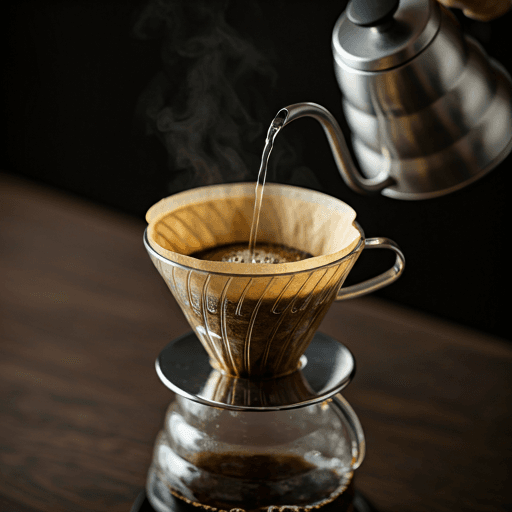
Piccolo vs macchiato is a contrast between two small espresso drinks that sit at opposite ends of the milk spectrum. A piccolo — often called a piccolo latte — is a single shot of espresso topped up with steamed milk in a little glass, so it drinks like a mini latte. An espresso macchiato is a shot of espresso "stained" with nothing more than a dollop of milk or foam. The piccolo carries more milk and a smoother, milkier body; the macchiato is much stronger and barely diluted, tasting almost like straight espresso with a softened edge.
If you want a small, gentle milk coffee that still tastes clearly of espresso, the piccolo is your cup. If you want the shot to lead and only want a whisper of milk to round off the crema, order a macchiato. Below is the short answer, then the detail on milk, strength, size, caffeine and how each relates to a cortado.
Piccolo vs macchiato: the short answer
The quickest way to keep the difference between piccolo and macchiato straight is to think about how much milk goes in the cup. A piccolo is milk-forward for its size — a shot lengthened with a few ounces of steamed milk and a thin microfoam cap, so it comes across soft, creamy and mellow. An espresso macchiato is espresso-forward — a shot marked with just a spoonful of foam, so almost all of the coffee's intensity stays intact. One is a tiny milk drink; the other is espresso with a splash. We keep the full standalone definitions where they belong: see what a piccolo latte is and what a macchiato is for the deep dives, and read on here for the head-to-head.
Milk amount and ratio
Milk is the single variable that separates these two drinks, and it is worth being specific. A piccolo is typically built from a single espresso — often a ristretto shot — topped up with steamed milk and a thin layer of microfoam, usually in a glass around 90 ml (roughly 3 ounces). That means the milk clearly outweighs the coffee by volume, giving the piccolo latte its rounded, latte-like body in miniature.
An espresso macchiato flips that ratio almost completely. It is a shot of espresso with just a dollop — a spoonful or two — of milk or foam dropped on top to "stain" it. The milk is a garnish, not the body of the drink, so the espresso stays firmly in charge. Exact pours vary from café to café and barista to barista, so treat these as typical templates rather than fixed measurements: some piccolos run a touch larger, and some macchiatos get a slightly more generous dab of foam.
Piccolo vs macchiato: side-by-side
Recipes differ by café, so read the ranges below as a common template rather than a rule.
| Attribute | Piccolo (piccolo latte) | Macchiato (espresso) |
|---|---|---|
| Milk | Steamed milk plus thin microfoam, milk-forward | Just a dollop of milk or foam |
| Strength | Strong for its size but smoothed by milk | Intense, espresso-forward, barely diluted |
| Size | Small glass, about 90 ml (~3 oz) | Small cup, about 45–60 ml (~1.5–2 oz) |
| Served in | Little clear glass | Small espresso cup (demitasse) |
| Espresso base | Usually a single, often ristretto, shot | Usually a single or double shot |
| Best for | A little milky coffee in a small format | A strong espresso with just a mark of milk |
Strength and taste
Because a macchiato is almost undiluted espresso, it is the bolder, more intense drink of the two. With only a dab of foam, the shot's body, bitterness and roast character come through nearly at full force, so a macchiato hits sharp and concentrated. A piccolo is still strong for such a small drink — there is real espresso in there — but the steamed milk softens the edges, adds a little natural sweetness from the warmed lactose and gives a fuller, creamier mouthfeel. Side by side, the macchiato reads as espresso-forward and punchy, the piccolo as balanced and smoother.
Using a ristretto shot, as many piccolos do, tips the balance further toward sweetness, since a short pull tends to be less bitter. That is part of why a piccolo latte vs macchiato tasting so often lands with the piccolo feeling gentle and the macchiato feeling raw and direct. Neither is objectively "better" — they are two different intensities of the same core ingredient, and which you prefer depends on how much you want the milk to get involved. Perceived strength like this is a matter of taste, so your own impression may land a little differently from the general picture.
The macchiato ambiguity: espresso vs latte macchiato
Part of the confusion in a macchiato vs piccolo latte comparison comes from the word "macchiato" being used for very different drinks. The traditional espresso macchiato — the one we have been comparing — is espresso stained with a little milk: small and strong. A latte macchiato flips that ratio: it is mostly steamed milk with a shot of espresso poured through it, making it far larger and milkier, closer to a latte than to a piccolo. And the sweet coffee-shop caramel macchiato is different again — a flavoured, syrup-and-milk drink built on the latte template.
So when you weigh a piccolo against a macchiato, be clear which macchiato you mean. Against a traditional espresso macchiato, the piccolo is the milkier, softer, slightly larger drink. Against a latte macchiato, the roles reverse and the piccolo becomes the smaller, more concentrated of the two. Menus vary, so it is worth a quick check with the barista if the name alone leaves you guessing.
Size and glass
Both drinks are small — that is the whole point — but they are served differently. A piccolo comes in a little clear glass, usually around 90 ml, so you can see the espresso-and-milk layering and the thin microfoam cap on top. An espresso macchiato is smaller still, closer to 45 to 60 ml, and is typically served in a small espresso cup, or demitasse, rather than a glass. The visual gives it away: the piccolo looks like a tiny latte with a pale, milky body, while the macchiato looks like a shot of espresso with a small spot of foam floating on the crema. These figures are typical rather than exact, since glass and cup sizes differ from place to place.
Caffeine: do they differ?
In caffeine terms the two are usually close, because both are typically built on a single espresso shot and milk does not add any caffeine of its own. If a piccolo and a macchiato use the same number of shots, they carry broadly similar caffeine — the piccolo simply delivers it in a milkier, slightly larger cup. Where they diverge is when shot counts differ: a macchiato pulled as a double will tend to out-caffeinate a single-shot piccolo, and the reverse holds too. Espresso caffeine also shifts with the beans, roast and grind, so any figure is only an estimate; our guide to caffeine in espresso lays out the usual ranges. Caffeine affects everyone differently and this is general information rather than medical advice — if you are sensitive to caffeine, pregnant, breastfeeding or managing a health condition, it is best to check with your own healthcare provider about what suits you.
How they relate to a cortado
A cortado is a useful third reference point, because it sits between these two on the milk spectrum. Where a macchiato only stains the espresso and a piccolo leans milk-forward, a cortado cuts the espresso with a roughly equal part of warm milk and almost no foam — more milk than a macchiato, but a flatter, less airy texture than a piccolo. If you want to place all three side by side, our comparison of piccolo vs cortado maps out exactly where the cortado lands against the smaller drink, and a macchiato next to a cortado shows even less milk again. Taken together, macchiato, cortado and piccolo form a neat little ladder from least milk to most.
Which should you choose?
Choose a piccolo when you want a small, soft milk coffee that still tastes clearly of espresso — the natural pick if you like flat whites and lattes but want them in a smaller, more concentrated glass, or if you find a straight espresso a touch too sharp. Choose an espresso macchiato when you want the shot to be the whole event and only want a mark of milk to gentle the crema; it is quick, punchy and best drunk fresh in a couple of sips.
The simplest way to decide is to ask what you want the milk to do. If you want it to build a small, creamy body, that is a piccolo. If you want it to do almost nothing but take the hardest edge off the espresso, that is a macchiato. Order one of each side by side and the difference between piccolo and macchiato becomes obvious in a single taste — one is a little milk drink, the other is espresso with a whisper of milk.