
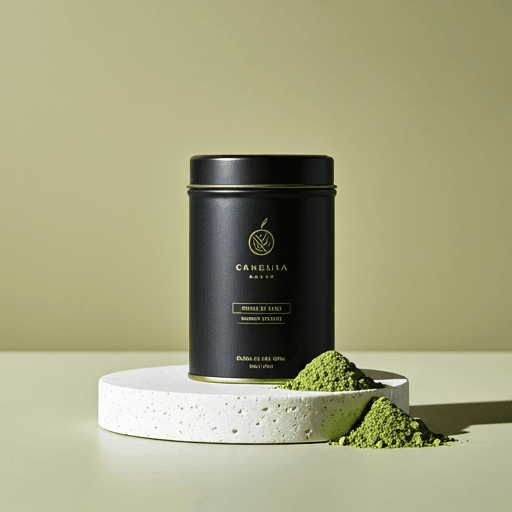
Choosing between matcha vs coffee comes down to how you want your energy to feel, not just how much caffeine you swallow. Both deliver a genuine lift, but they behave differently: coffee tends to hit faster and harder, with more caffeine per cup, a quick peak, and sometimes a crash, while matcha offers a gentler, steadier push because its caffeine arrives bundled with L-theanine, a calming amino acid that smooths the edges of the buzz. Neither is universally better; the right pick depends on your body, your morning, and what you actually enjoy drinking.
Matcha vs coffee: the short answer
If you want a strong, immediate jolt to shake off sleep, coffee usually wins. If you want alert-but-calm focus that lasts without the shakes, many people reach for matcha instead. The honest truth is that deciding on matcha or coffee is rarely a clean contest, because cup size, roast level, leaf grade, and your own caffeine tolerance all move the numbers around. The table below is a quick decoder, and the sections that follow unpack each row.
| Attribute | Matcha | Coffee |
|---|---|---|
| Typical caffeine per serving | Roughly 40-70 mg per bowl (about 1 tsp / 2 g whisked), varies by grade and amount | Roughly 80-120 mg per 8 oz cup, easily higher for larger or stronger brews |
| Energy curve | Slower onset, steadier, gentler tail-off | Faster onset, higher peak, sometimes a dip afterward |
| L-theanine | Present, pairs with caffeine for calm focus | Essentially none |
| Taste | Grassy, vegetal, umami, slightly sweet or bitter | Roasty, bitter-sweet, nutty to chocolatey depending on roast |
| How it is made | Whole leaf ground to powder, whisked into water and drunk entirely | Beans brewed with water, grounds strained out and discarded |
| Main antioxidants | Catechins such as EGCG | Chlorogenic acids |
| Prep time and ease | A minute or two with a whisk or frother | Seconds for instant, longer for brewed methods |
| Best for | Sustained, jitter-averse focus | A fast, powerful wake-up hit |
Responses vary from person to person, and these figures are rough averages rather than fixed values, so treat them as a starting point rather than a rule. This is general information, not medical advice.
How much caffeine: matcha caffeine vs coffee
On a like-for-like serving, a mug of coffee usually carries more caffeine than a bowl of matcha, but the gap is smaller than most people assume. A standard cup of brewed coffee tends to land somewhere in the region of 80 to 120 mg, and a strong or oversized cup can climb well past that. A single serving of matcha, made with about a teaspoon of powder, is often estimated in the 40 to 70 mg range. Because matcha is whole powdered leaf that you drink rather than an infusion you strain, it delivers more caffeine than a typical bag of green tea, yet still generally less than a full cup of coffee.
All of these numbers should be hedged heavily. Roast level, grind, brew time, water temperature and the sheer volume in your cup swing coffee's caffeine dramatically, while matcha varies with grade, how much powder you use and how the plant was grown and shaded. If you want the granular breakdown for the green side, our guide to matcha caffeine content goes deeper, and if you are curious about the molecule itself and how it works in the body, caffeine explained covers the mechanism.
The L-theanine difference: why the energy feels calmer
The single biggest reason people switch to matcha is not the caffeine total, it is how the caffeine feels. Matcha naturally contains L-theanine, an amino acid found in the tea plant, and research suggests this pairing is what gives matcha its reputation for calm, focused alertness rather than a wired edge. L-theanine appears to take the sharp corners off caffeine, so many drinkers report less jitter and a softer come-down compared with the same amount of caffeine from coffee. Coffee has virtually no L-theanine, which is part of why its lift can feel more abrupt and, for some people, more likely to end in a slump.
This is not magic, and it is not a promise; sensitivity to both caffeine and L-theanine differs from one person to the next. For a fuller look at how the two compounds interact and why the combination is so prized for concentration, see our dedicated explainer on caffeine and L-theanine. Responses vary, and this is general information rather than medical advice.
How each drink is made
The preparation gap explains a lot of the difference in feel. Coffee is an infusion: hot water passes through roasted, ground beans, dissolves the flavor and caffeine, and the spent grounds are filtered out and thrown away. You drink the liquid, not the bean. Matcha works the opposite way. The young tea leaves are shade-grown, steamed, dried and stone-ground into a fine powder, and you whisk that powder directly into water so you consume the whole leaf. Nothing is strained off, which is why matcha carries its caffeine, L-theanine and antioxidants in a more concentrated, all-in package.
Practically, coffee is often the faster grab, especially instant or drip, while matcha asks for a quick whisk to break up clumps and build a little foam. We keep the full definition of the powder, its grades and its ceremony out of this comparison on purpose; if you want the complete picture of the drink itself, start with what is matcha.
Taste: roasty coffee vs grassy matcha
Flavor is where preferences split hardest. Coffee leans roasty and bitter-sweet, with notes that run from nutty and caramel-like in medium roasts to bold, smoky and dark in heavier ones, and a natural bitterness that milk and sugar often soften. Matcha tastes almost nothing like that. Good matcha is grassy and vegetal with a savory umami depth and a lingering, slightly sweet finish; lower grades can turn noticeably bitter or astringent. If you love the deep, toasted character of coffee, matcha can taste startling at first, and vice versa. Both take well to milk, which is why matcha lattes and milky coffee drinks are such common gateways.
Antioxidants in matcha and coffee
Both drinks are rich sources of plant antioxidants, just different ones. Matcha is prized for catechins, especially EGCG, while coffee is a major dietary source of chlorogenic acids. Because you drink matcha as whole powdered leaf, a serving can carry a generous dose of its catechins, and because most people drink coffee daily and in volume, it often contributes a large share of a person's overall antioxidant intake regardless. Studies suggest both beverages fit comfortably into a balanced diet for most healthy adults.
It is worth keeping this in perspective. Antioxidant content is one input among many, and there is no need to frame either drink as a health treatment or a cure for anything. If cholesterol, iron levels, anxiety, pregnancy or any specific condition is on your mind, ask your own healthcare provider rather than relying on a beverage swap. Responses vary, and this is not medical advice.
Coffee vs matcha: which should you choose, and when?
There is no winner in the abstract, so instead of asking whether coffee vs matcha is objectively best, match the drink to the moment. Reach for coffee when you need a fast, strong wake-up, when you crave that roasty flavor, or when speed and convenience matter most. Reach for matcha when you want a smoother, longer runway of focus with less jitter, when caffeine spikes tend to make you anxious or shaky, or when you simply enjoy its grassy, savory profile. Plenty of people keep both in rotation, using coffee to start the day and matcha for an afternoon lift that is less likely to disturb sleep.
So is matcha better than coffee? Only if a gentler, steadier energy and a vegetal taste are what you are after; for a bigger, faster hit, coffee still holds the edge. The most useful way to decide is to try each for a week and pay attention to how your energy rises, holds and fades. Your body's answer to matcha vs coffee will always beat any chart, and the good news is that both can earn a permanent place in your routine.