
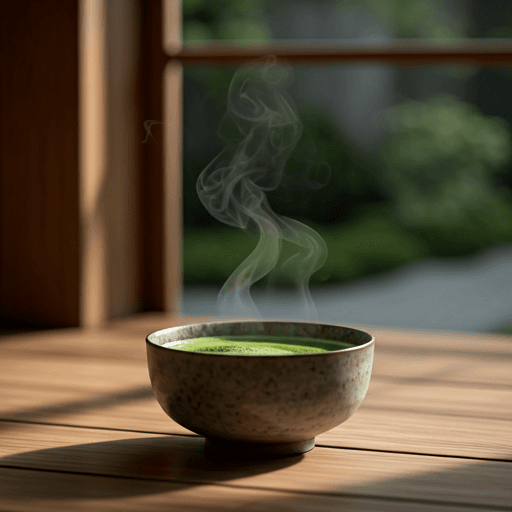
Matcha vs chai comes down to two very different cups. Matcha is finely ground, shade-grown green tea whisked into a vivid, grassy-umami drink, while chai is spiced black tea simmered or steeped with warming spices — cardamom, ginger, cinnamon and cloves — and usually milk. One is bright and vegetal; the other is rich, spiced and cozy. So choosing between matcha or chai is really a choice between two moods, not two versions of the same drink.
Below we line the two up on flavour, caffeine, how they feel, how they are made and how they taste as a latte, so you can match the cup to your mood. We will keep the deep dives light and point you to the full guides on each drink along the way.
Matcha vs chai: the short answer
In the matcha vs chai comparison, the headline difference is the base. Matcha is whisked green tea — powdered leaves suspended in water or milk, never strained out — so you drink the whole leaf. Chai is spiced black tea, brewed (often simmered) with milk and a blend of warming spices, then poured off the leaves. That single fact drives everything else: matcha tastes bright, grassy and umami-rich, while chai tastes malty, sweet and spiced. Neither is objectively better; they are built for different moments. For the full story of each, see our guides to what matcha is and what chai tea is.
Flavour: bright and green vs spiced and cozy
This is where the two drinks feel worlds apart. Matcha leans grassy and vegetal with a savoury, sweet-umami depth and a smooth, almost creamy body — especially once it is loosened with milk into a latte. Good ceremonial-style matcha tends to be gentle and rounded; lower grades can turn more bitter and astringent. Chai, by contrast, is all warmth: malty black-tea depth underneath, then the lift of cardamom and ginger and the cozy sweetness of cinnamon and cloves, rounded out by milk. Where matcha is fresh and green, chai is spiced and comforting.
Taste is personal, so treat these as broad tendencies rather than rules. Some people love matcha's vegetal edge and find chai too sweet; others find matcha's grassiness an acquired taste and reach happily for chai's spice. Both reward good ingredients — fresh, well-stored matcha powder and whole spices make a real difference.
Caffeine: the chai vs matcha caffeine question
Both matcha and chai contain caffeine, and the honest answer on chai vs matcha caffeine is that they are roughly in the same ballpark — but it depends heavily on how each is made. A matcha latte often lands somewhere around 40 to 80 mg per serving, because you are drinking the whole powdered leaf rather than an infusion. A chai or black-tea base varies just as much: how long the tea steeps, how much tea leaf goes in, and how much milk dilutes the cup all move the number. A lightly brewed chai can sit below a strong matcha, while a robust, long-simmered pot can match or edge past it.
Because the ranges overlap so much, neither drink is reliably "the caffeinated one." For the granular breakdown, see our explainers on matcha's caffeine content and how much caffeine is in chai. Responses to caffeine vary a lot from person to person, so treat any figure here as a rough ballpark rather than a target. This is general information, not medical advice — if caffeine sensitivity, sleep, pregnancy, breastfeeding or medications are a concern for you, it is worth asking your own healthcare provider.
The calmer feel people describe with matcha
One reason matcha has such a devoted following is the way people often describe its lift. Matcha, like other green teas, naturally contains an amino acid called L-theanine alongside its caffeine, and many drinkers say the combination gives a calmer, steadier feel than a sharp coffee jolt — alert without the same jittery edge. Chai carries L-theanine too, since black tea comes from the same plant, though the spices and milk shape its character in their own way.
It is worth keeping this qualitative rather than treating it as a proven effect: individual experiences differ, and the "smooth focus" people talk about is a subjective description, not a health claim. If you notice one drink sits better with you than the other, that lived experience is the best guide.
How matcha and chai are made
The two drinks are built in almost opposite ways. Matcha is a whisking ritual: you sift the fine green powder, add a little hot (not boiling) water, and whisk briskly until it froths, then either drink it straight or top it with steamed or cold milk for a latte. Nothing is strained — the leaf stays in the cup. Chai is a simmering ritual: black tea and crushed or whole spices go into water and milk on the stove, come up to a gentle simmer so the flavours steep and marry, and then the drink is poured off the leaves and spices, usually with a little sweetener.
That contrast is why matcha feels quick and precise while chai feels slow and aromatic. If you want to make either at home, a matcha latte comes together quickly with a whisk and steamed milk, while a chai latte is built by simmering tea and spices with milk, from café-style concentrates to a proper stovetop pot. Chai is a beloved South Asian tradition in its classic masala form, and countless households and street vendors tune the spice blend their own way.
Matcha latte vs chai latte, side by side
Most people meet these drinks at a café counter, where the real comparison is matcha latte vs chai latte. Both arrive milky, warm or iced, and lightly sweet, which makes them easy to mistake as interchangeable — but the cup tells you instantly which is which. A matcha latte is green, grassy and fresh, with a clean vegetal sweetness and that whisked, slightly frothy body. A chai latte is amber-brown, spiced and cozy, tasting of cardamom, ginger and cinnamon over a malty tea base.
Sweetness is the wildcard. A café matcha latte can carry a fair amount of added syrup to balance the vegetal edge, and a chai latte is often built from a pre-sweetened concentrate, so both can be sweeter than a home version. If you like to control the sugar, a matcha whisked at home or a chai simmered from scratch lets you dial it back. On appearance alone, matcha wins the Instagram vote for its colour; on pure comfort-in-a-mug, chai is hard to beat.
Matcha vs chai at a glance
| Attribute | Matcha | Chai |
|---|---|---|
| Tea type | Shade-grown green tea, ground to a fine powder | Black tea, brewed with spices |
| Flavour | Grassy, sweet-umami, vegetal, creamy as a latte | Spiced, malty, warming, sweet |
| How it is made | Whisked with water, then milk for a latte | Simmered or steeped with spices and milk |
| Caffeine (rough, hedge) | A matcha latte often ~40-80 mg | Varies widely with steep and tea amount |
| Caffeine feel | Often described as calmer, steadier | Gentle, warming lift; depends on strength |
| Best as | A bright, fresh, green pick-me-up | A cozy, spiced, comforting cup |
Matcha or chai: which should you choose?
There is no universal winner in matcha vs chai — it comes down to taste, mood and the moment. Reach for matcha when you want something bright, fresh and green, with a smooth body and the calmer lift many drinkers describe; it suits a focused morning or a mid-afternoon reset. Reach for chai when you want warmth and spice — a cozy, aromatic cup that feels like a small ritual, lovely on a cold day or a slow evening. Time of day can nudge the choice too: matcha's clean freshness feels earlier, while chai's cozy spice suits winding down, though plenty of people happily drink either whenever the craving hits.
If you genuinely cannot pick, you do not have to. Keep both in rotation — matcha for bright, green days and chai for spiced, cozy ones — and let your own palate be the tiebreaker. On any "which is healthier" question, the honest answer is that it depends far more on how much milk and sugar you add than on the base drink itself, and individual responses vary; this is general information, not medical advice. The nicest outcome is simply knowing what each cup offers, so you can match the drink to the moment.