
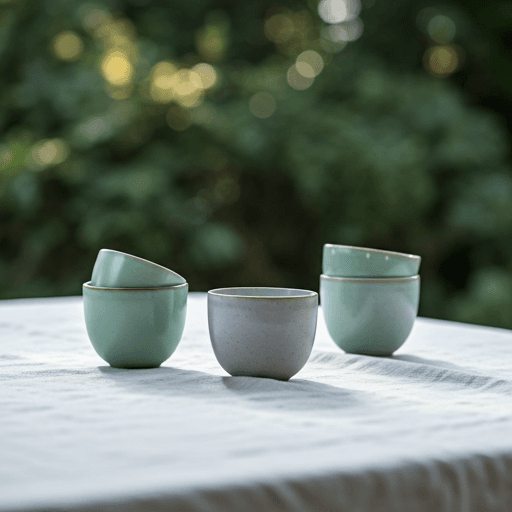
A matcha set is the small collection of tools you use to turn fine green powder into a smooth, frothy cup: a bamboo whisk (chasen), a wide bowl (chawan), a bamboo scoop (chashaku), and usually a sifter and a whisk stand. This guide explains what each piece does, how to choose it, which electric alternatives actually work, and what a beginner genuinely needs versus what is nice to have.
Matcha is different from steeped tea. You do not pour water over leaves and discard them. You whisk shade-grown green tea leaves that have been ground into powder directly into water, so the right gear is what makes the difference between a lumpy, bitter cup and a silky, well-aerated one. If you are new to the powder itself, our what is matcha guide covers grades and origin first.
What a matcha set includes
Most matcha sets are built around three core tools plus two helpers. You will see kits sold as four, five or seven piece starter packs, but the contents follow the same logic. Here is the quick map before we go piece by piece.
| Tool | Japanese name | What it does | Core or helper |
|---|---|---|---|
| Bamboo whisk | Chasen | Breaks up clumps and whips air into the tea | Core |
| Tea bowl | Chawan | Wide bowl you whisk and drink from | Core |
| Tea scoop | Chashaku | Measures the powder from tin to bowl | Core |
| Sifter | Furui | Sieves out clumps before whisking | Helper |
| Whisk stand | Kusenaoshi | Holds the whisk shape while it dries | Helper |
None of these tools is exotic or hard to source. They are sold worldwide, online and in tea shops, in every price tier. What follows is how to judge each one so your money goes to the parts that matter.
The bamboo whisk (chasen)
The chasen is the heart of any matcha whisk set and the tool that does the real work. It is carved from a single piece of bamboo, with the head split into many fine tines that curl inward. Those tines break up powder and lift air into the liquid, which is what creates that pale, even froth on top. There is no real substitute for the texture a good chasen gives when you whisk matcha with water alone.
Whisks are sold by prong count, usually 80, 100 or 120. The differences matter more than they sound:
- 80 prongs: the traditional, sturdy count. The tines are slightly thicker, so it handles both everyday thin matcha and thicker, paste-like preparations. A safe first choice.
- 100 prongs: the popular all-rounder for home use. More tines lift more air, so you get a creamier, frothier cup with less effort and fewer clumps.
- 120 prongs: the finest foam and the silkiest result, but the delicate tines damage more easily. Better once you know your technique.
Quality varies a great deal. Much of the world's prized chasen craft comes from Takayama in Nara, Japan, where whisks have been cut by hand for centuries and only a small number of artisans keep the skill alive. A handmade chasen costs more than a mass-produced one and tends to last longer and whisk more smoothly, but a decent machine-finished whisk is perfectly fine when you are starting out. Prices vary widely by country, retailer and whether the whisk is handmade, so judge by tine fineness and finish rather than a number.
The bowl (chawan)
The chawan is the wide ceramic bowl you whisk in and drink from. Width is the point: a traditional bowl is roughly 12 cm across and 7 to 8 cm tall, giving your whisk room to move in a brisk back-and-forth motion without splashing. A narrow mug fights you, because the whisk hits the sides before it can build froth.
This is the most personal piece in the kit. Look for a flat-bottomed interior so the tines reach the powder, a slightly rounded inner wall, and a glaze you find pleasant to drink from. Beginners do not need a costly artisan bowl. A simple, sturdy stoneware bowl with enough width works beautifully, and many people upgrade later once they know what shape suits their hand. A wide cereal or soup bowl from your own cupboard can stand in while you decide.
The scoop (chashaku)
The chashaku is a slim, gently curved bamboo spoon used to measure powder from the tin into the bowl. Two scoops is roughly one standard serving of about two grams, though this depends on the matcha and the scoop. It is not strictly essential, since a small kitchen teaspoon can do the same job, but it portions the fine powder neatly without static-clinging mess, and it is part of why a matcha set feels like a small ritual rather than a chore.
The sifter
A fine mesh sifter looks optional and is quietly one of the most useful pieces. Matcha powder is extremely fine and readily clumps as it absorbs moisture from the air. Pressing your scooped powder through a small stainless mesh sieve takes a few seconds and breaks up every lump before it reaches the bowl. The result is dramatically easier whisking and a noticeably smoother, lump-free cup. If your matcha keeps coming out grainy, a sifter usually fixes it faster than any change in whisking technique.
The whisk stand (kusenaoshi)
The kusenaoshi is a small ceramic or stoneware stand shaped like a dome. After you rinse the chasen, you rest it over the stand so the wet tines dry in their proper inward curl. This single habit prevents the warping, flattening and cracking that ends most whisks early, so the stand pays for itself by extending the life of your most important tool. It also keeps the whisk off the counter and away from damp surfaces where mould can start.
Electric and handheld alternatives
You do not strictly need bamboo at all. A handheld electric milk frother (the little battery-powered wand) or a dedicated electric matcha frother will mix powder and water in 20 to 30 seconds at the press of a button. They are faster, very easy to clean, and forgiving for anyone who finds the whisking motion fiddly.
The trade-offs are worth knowing. A bamboo chasen produces a finer, more stable microfoam and is what most people prefer for matcha whisked with water only. Electric tools make slightly larger bubbles and a froth that settles faster. The flip side: a chasen is poor with milk, where the prongs clog and cannot build foam, so for a milk-based drink an electric frother genuinely wins. Many people keep both: the chasen for the slow, water-only ritual and the frother for quick lattes. If lattes are your goal, see our matcha latte guide.
How to care for your matcha set
Good care, especially of the whisk, is what makes a set last. The routine is simple and the same wherever you live:
- Rinse the chasen immediately under warm running water, swishing gently to release the matcha. Never use soap, never scrub, and never put it in the dishwasher.
- Shake off the water and stand the whisk on its kusenaoshi so the tines re-form their curl as they dry.
- Dry in the open, away from direct sunlight and out of damp, enclosed cupboards where mould takes hold.
- Wash the bowl with warm water and a soft sponge; avoid harsh abrasives that scratch the glaze.
- Wipe the bamboo scoop dry rather than soaking it, since bamboo dislikes prolonged water.
Cared for this way, a chasen usually lasts several months to a year of regular use. Replace it once tines start snapping or the inward curl has flattened out, because broken tines whisk poorly and can end up floating in your cup.
What a beginner actually needs
It is easy to over-buy. To start whisking well, you need only three things: a bamboo whisk, a wide bowl and something to measure with. Add a sifter and a whisk stand early, because the sifter makes smooth matcha far easier and the stand protects the whisk you just bought. That is genuinely enough.
Skip the temptation of an expensive ceremonial chawan or a seven-piece display kit on day one. A modest starter set plus good-quality powder will give you a smooth, frothy cup. As your routine settles, you can upgrade the bowl to one that suits your hand, step up to a finer 100 or 120 prong whisk, and decide whether an electric frother earns a place for your lattes.
With the gear sorted, the next step is the cup itself. Once you have your set, learn the rhythm of measuring, sifting and whisking in our guide to drinking matcha and how to enjoy it, and keep exploring more leaves, blends and brewing ideas across the wider tea hub.