
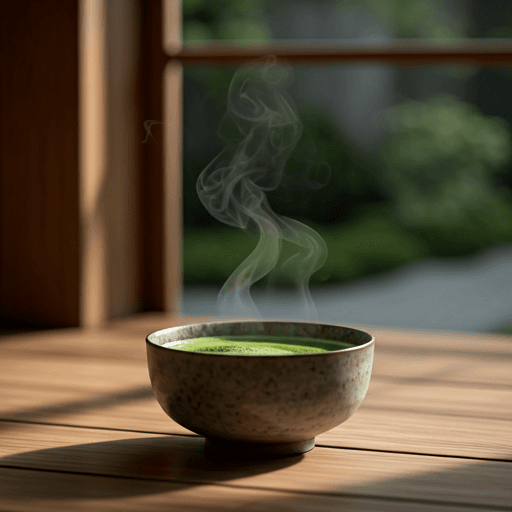
Sun tea is iced tea brewed slowly by leaving tea bags or loose leaf in a jar of water out in the sun for a few hours. The gentle warmth draws out a smooth, low-astringency brew with less of the bitterness you get from boiling water. Because the water never actually gets hot, though, a good sun tea recipe is as much about food safety as it is about flavor. Done carefully, solar tea is a lovely summer drink; done carelessly, that warm jar sits squarely in the range where bacteria multiply.
This guide walks through how to make sun tea the safe way, gives you amounts and timings, and shows you when to reach for a safer method instead.
How to make sun tea, step by step
The whole method is deliberately simple. The care lives in the details: a clean jar, direct sun, a short window, and prompt refrigeration.
- Start with a scrupulously clean glass jar. Wash it in hot soapy water and rinse well, or run it through the dishwasher. A clear glass jar with a lid, roughly 2 litres (about half a gallon), is ideal.
- Fill it with cool, fresh water. Use filtered or good-tasting tap water. Do not pre-heat it; the sun does the work.
- Add your tea. Use about 4 to 8 tea bags, or roughly 2 to 3 tablespoons of loose leaf, per 2 litres of water. Black tea is traditional, but green, oolong, or an herbal blend all work. Loose leaf gives the fullest flavor; see how to brew loose leaf tea for leaf-to-water guidance.
- Cover and set it in direct sun. A windowsill, patio table, or balcony that gets full sun is perfect. Cover the jar to keep out insects and dust.
- Steep about 2 to 4 hours, not longer. Check the color after a couple of hours. When it looks like strong iced tea, it is done. Warmer, sunnier days brew faster.
- Remove the tea, then refrigerate promptly. Lift out the bags or strain off the leaves so it does not turn bitter, then chill it right away rather than leaving it on the counter.
- Serve over ice. Pour over plenty of ice and add lemon, a sprig of mint, or sweetener to taste.
Sun tea recipe at a glance
| Variable | Guidance | Note |
|---|---|---|
| Jar | Clean glass, ~2 litres (half gallon), with a lid | Cleanliness matters most; skip scratched or cloudy plastic |
| Water | Cool, fresh, filtered if possible | Never pre-heated |
| Tea | 4-8 bags or 2-3 tbsp loose leaf per 2 litres | Black is classic; green and herbal work too |
| Sun time | About 2-4 hours in direct sun | Stop at 4 hours maximum, even if pale |
| After brewing | Remove tea, refrigerate immediately | Do not leave standing at room temperature |
| Shelf life | Drink within about 24 hours | Discard leftovers the next day |
Sun tea food safety: the part you cannot skip
This is the reason the recipe has rules. Sun tea only reaches roughly 90 to 130 F (about 32 to 54 C), which is warm enough to steep tea but not hot enough to kill microbes. That temperature sits inside the bacterial "danger zone" of roughly 40 to 140 F (4 to 60 C), where any bacteria present on the leaves or in the water can multiply. Tea leaves can carry harmless-sounding but unwanted microbes, and a warm sugar-free broth is a comfortable home for them.
Because of this, US food-safety and extension sources are cautious about sun tea and often suggest safer alternatives. You do not need to be alarmed, but you should follow a few simple precautions:
- Use a scrupulously clean jar every single time.
- Brew no longer than about 3 to 4 hours in the sun.
- Refrigerate right away once the tea is removed.
- Finish it within about 24 hours.
- Watch for spoilage. If the tea looks ropy, thick, or syrupy, or turns cloudy or smells off, throw it out. A stringy or slimy texture can signal ropy bacteria and is a clear "discard" sign.
A safer alternative that tastes just as smooth: "moon tea," or refrigerator cold brew. Combine the same tea and water in a jar and steep it in the fridge for about 6 to 12 hours instead of in the sun. It never enters the danger zone, so it sidesteps the risk entirely while keeping that gentle, low-bitterness character.
Solar tea flavor tips and variations
Once you have the basics down, solar tea is easy to make your own:
- Sweeten it smartly. Sugar dissolves poorly in cold liquid, so stir in a simple syrup, or add sweetener while serving over ice. For the classic Southern-style sweetened version, see how to make sweet tea.
- Add citrus and herbs. Lemon or orange slices, fresh mint, or a few crushed berries steep beautifully alongside the tea.
- Try different leaves. Green and white teas make a delicate solar tea; hibiscus or fruit blends give color and tartness without caffeine. Browse the styles in types of tea explained.
- Do not over-steep. Leaving the bags in for the full afternoon, or beyond the four-hour mark, turns the tea bitter and pushes you into unsafe territory.
Sun tea vs standard iced tea vs cold brew
All three end up as a cold glass of tea, but they get there differently. Standard iced tea is brewed hot and then chilled, which is the fastest and safest route; our guide to how to make iced tea covers that classic method. Sun tea uses warm sunlight and takes a few hours, trading a little safety margin for a smoother, less astringent cup. Refrigerator cold brew (moon tea) skips heat entirely and is the safest of the three, though it is the slowest.
| Method | Heat | Time | Safety |
|---|---|---|---|
| Standard iced tea | Brewed hot, then chilled | Minutes plus cooling | Safest and fastest |
| Sun tea | Warm sunlight only | ~2-4 hours | Needs precautions |
| Cold brew / moon tea | No heat, in the fridge | ~6-12 hours | Very safe, slowest |
Sun tea is one of summer's simplest pleasures: set a jar on the sill in the morning and you have a smooth pitcher by afternoon. Treat the food-safety steps as part of the recipe rather than an afterthought, keep the brew short and the jar clean, and you will get all the mellow flavor with none of the worry. If a scorching day makes you hesitate, let the fridge do the work instead and you lose nothing but a little sunshine.