
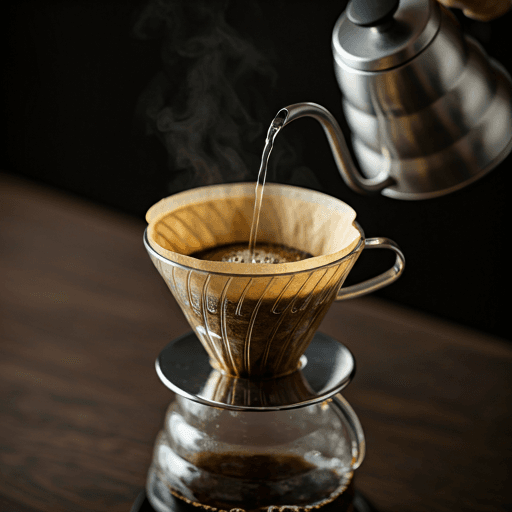
Here is how to make pineapple cold foam in one sentence: it is a golden, tropical, sweet-and-tangy cap of cold-frothed milk flavoured with pineapple, whipped cold with no heat until it is thick enough to float on cold brew, iced coffee, an iced tea or a tropical refresher. Combine a few tablespoons of cold milk with a little pineapple syrup or a splash of strained juice, froth or shake until it thickens to a pourable foam, then pour it slowly over ice so it settles on top as a fruity, creamy layer.
This one belongs to the tropical-fruit-foam family alongside mango cold foam and the mellow, creamy coconut cold foam. If you have made either of those, you already know most of the moves here, and pineapple just brings a brighter, more acidic edge to the party. Below is the full method, with amounts, a milk table, and the small keep-it-cold rules that keep the foam smooth.
What pineapple cold foam is
Pineapple cold foam is cold milk, often with a splash of cream, that has been aerated until it holds soft, glossy, pourable peaks, then flavoured with sweet-tart pineapple. It is loose enough to pour and heavy enough to float, which is exactly what lets it perch on top of a cold drink instead of sinking or dissolving into it.
For the full definition and the reason cold milk froths into a pourable cloud, we keep the deep dive in what cold foam is and the base technique in how to make cold foam. This page assumes those basics and focuses on the pineapple version. In short, it helps to place cold foam against two things it is not:
- Cold foam vs hot milk foam: the microfoam on a latte or cappuccino is steamed, so it is warm, dense and short-lived, built with heat and steam to merge into a hot drink. Cold foam is made without any heat, so it stays airier and pourable and layers over ice without melting in.
- Cold foam vs whipped cream: whipped cream is beaten thick and holds a firm, piped dollop. Cold foam is lighter and looser, a drinkable cloud you sip through rather than a spoonful you scoop.
The key point: you froth it cold
The whole trick is that there is no heat anywhere in this recipe. You froth the milk cold, straight from the refrigerator, and the cold actually helps the fat and protein whip up and hold their air. Three tools all work, so use whatever you have:
- A handheld milk frother: the quickest route. Ten to twenty seconds in a tall, narrow cup and you have foam.
- A jar and a tight lid: add everything to a sealed jar, filled no more than a third full, and shake hard for 30 to 45 seconds. Low-tech and reliable.
- A small blender or bullet: a few short pulses whips a bigger batch at once, handy if you are also blending in real fruit.
Flavour it with pineapple syrup or a little strained pineapple juice, and add a splash of cream or reach for a higher-protein milk to help the foam hold. There is one thing worth knowing about pineapple in particular: it is quite acidic, and raw pineapple contains an enzyme called bromelain that can make fresh dairy taste a little off if the two sit together for a while. That is not a safety problem, just a texture and flavour one. Leaning on pineapple syrup or only a small splash of strained juice, and using the foam promptly rather than letting it stand, keeps it smooth and stable.
Ingredients for pineapple cold foam
These amounts make enough foam to cap one tall glass. The pineapple cold foam recipe scales up cleanly, so double or triple it for a jarful to share.
- A few tablespoons (about 60 ml / 2 oz) of cold milk, or a milk-plus-cream mix for a thicker, richer cap
- About 1 to 2 teaspoons pineapple syrup, or a little strained pineapple juice to taste
- An optional pinch of sugar if your juice is very tart and you are not using syrup
- An optional drop of vanilla, or a small squeeze of lime to lift the tropical note
If you only have plain milk, a spoon of pineapple syrup does the most work; a small splash of good strained juice plus a pinch of sugar will get you most of the way there too.
How to make pineapple cold foam, step by step
- Chill everything. Use milk straight from the fridge and, if you can, a cold cup or jar. Cold is what makes the foam hold.
- Combine cold. Add the cold milk (and cream, if using) to a tall cup, jar or your frothing vessel. Spoon in the pineapple syrup or strained juice, plus any sugar, vanilla or lime.
- Froth or shake until it thickens. Run the handheld frother for 15 to 20 seconds, shake the sealed jar for 30 to 45 seconds, or give the blender a few short pulses. Stop when the mix has roughly doubled and mounds softly off a spoon, pouring in a thick ribbon rather than a thin stream.
- Check the texture. If it is still thin, froth a few seconds more or add a splash of cream and go again. If it broke into stiff clumps, you over-whipped; a small splash of cold milk stirred in loosens it back to pourable.
- Build the drink first, then pour. Fill a glass with ice and your cold coffee, cold brew, iced tea or refresher, leaving a little headroom. Pour the foam slowly over the back of a spoon so it settles in a glossy layer on top instead of plunging through.
- Serve straight away while the layer is at its loftiest, and give it a stir before the last few sips to fold the pineapple through.
Straining the juice and dialling the thickness
Fresh pineapple juice carries pulp and fibres that can clog a frother and leave the cap grainy, so push it through a fine sieve first for a smooth foam. A clear, strained juice or a proper pineapple syrup keeps the foam glossy and even.
Thickness is mostly about fat and protein, and it is easy to steer once you know the levers:
- More cream = a thicker, richer foam that holds its layer longer on the drink.
- More milk and less cream = a lighter, more delicate cap that you drink quickly.
- Among dairy-free options, oat milk foams the best, especially a barista blend, holding a soft peak almost like dairy. Soy also froths well thanks to its protein; thinner nut milks froth up airier and fall faster, so froth them a touch longer.
If a very acidic juice keeps thinning your foam, cut the amount, switch to syrup, or froth the milk first and fold the pineapple in at the end.
Milk choices vs texture
| Milk choice | Foam texture | Best for |
|---|---|---|
| Whole milk | Soft, stable, classic | The reliable default |
| Milk plus a splash of cream | Thick, glossy, longest-lasting | A rich pineapple cream cold foam |
| Half-and-half or light cream | Very thick, almost spoonable | When you want a dense lid |
| Barista oat milk | Airy and surprisingly stable | The best dairy-free pick |
| Soy milk (barista) | Good body, holds a peak | A solid dairy-free option |
| Skim or thin nut milk | Light, quicker to deflate | A leaner, short-lived foam |
Serving it over iced coffee and iced tea
Pineapple cold foam is at home on almost anything cold. Float it on cold brew for a mellow, tropical coffee, or over classic iced coffee for a brighter, sunnier contrast against the roast. A pineapple foam iced tea is one of the prettiest ways to serve it: try it over unsweetened black or green iced tea, an iced hibiscus, or a fruity refresher, where the tart golden layer reads almost like a tropical fruit tea. Because pineapple is naturally sweet, you often need less added sugar in the drink underneath, so taste before you sweeten.
Make-ahead and using it fresh
Cold foam is best within a minute or two of frothing, because it slowly deflates as it warms. You can froth a small jar and keep it covered in the fridge for a short while, then give it a quick re-froth or a shake to bring the peaks back before pouring, but it will always be loosest and glossiest on the first pour. With pineapple there is an extra reason to make it fresh: raw pineapple's bromelain enzyme can make a flavoured foam taste off if it sits, so whip only what you will drink soon.
One practical safety note, kept simple and non-medical: fresh dairy and fresh pineapple are both perishable. Keep the milk, cream and any juice cold, do not leave a frothed drink standing out in a warm room, and refrigerate leftover syrup or juice in a clean, covered container. Use it promptly, and when in doubt, throw it out. Responses to any food vary from person to person, so this is general food-handling guidance, not medical advice. Anyone avoiding dairy can build the same golden cap with a barista-style plant milk and a little pineapple syrup.