
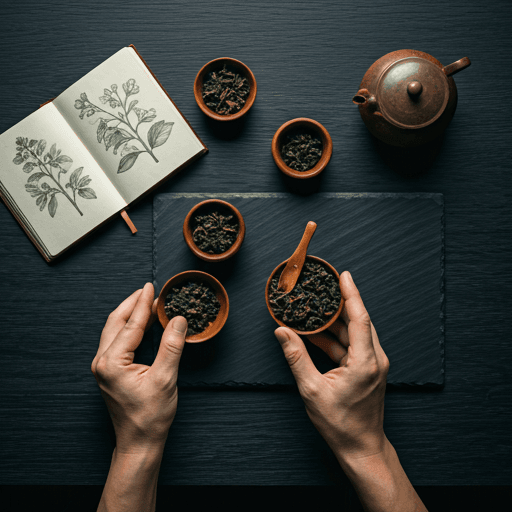
If you want to know how to make green tea milk tea, the short answer is this: brew a plain green tea — such as sencha, gunpowder or genmaicha — in cooler water so it stays sweet rather than bitter, sweeten it lightly, then add cold milk and ice for a fresh, grassy-sweet, lightly creamy cup, often finished with chewy tapioca pearls. It is one of the easiest milk teas to make at home, and the whole trick lives in the brew.
This guide covers the plain, whole-leaf version: real green tea leaves brewed and cooled, not whisked matcha powder and not jasmine-scented green. Below you will find what green tea milk tea is, the key cooler-water technique, an ingredient list with amounts, ordered steps, a table of green-tea bases, and honest notes on caffeine, storage and safety.
What green tea milk tea is
Green tea milk tea is simply strong brewed green tea combined with a little sweetener and milk, usually served iced and often with tapioca pearls. It sits in the same family as any milk tea, but instead of a bold black-tea base it leans on the fresh, vegetal, gently nutty character of green leaf. The result is lighter and less tannic than a classic black milk tea — creamy, yet clean and grassy underneath.
It helps to know how this differs from two look-alikes, because "green milk tea" can mean a few things:
- Not powdered matcha. This uses whole-leaf green tea that you brew and strain, not matcha whisked straight into the cup. The whisked-powder style is its own drink — see matcha boba milk tea for that version.
- Not jasmine-scented. Here the green tea is plain, not scented with jasmine blossoms. If you want the floral cup instead, our guide to jasmine milk tea covers it.
Green tea is the everyday tea of much of East Asia — from Japan to China — where it is usually drunk plain far more often than with milk. Turning it into a milk tea is a more modern, bubble-tea-shop idea, and it works beautifully as long as the leaf is brewed with a light hand. If milk tea is new to you altogether, the underlying method — brew strong, sweeten, add milk — is laid out in our guide on how to make milk tea.
The key technique: brew cool, brew strong
Green tea turns bitter and astringent in boiling water, and that is the single most common reason a homemade green milk tea tastes harsh. The fix is cooler water. Aim for about 70–80°C (160–175°F), well off the boil, and keep the steep short — around 2 to 3 minutes. If your kettle only boils, let it stand for a couple of minutes before pouring. For a fuller look at pulling a clean, sweet cup, see our guide to how to make green tea without the bitterness.
The second trick is strength. Because milk and ice both dilute and mute flavour, brew the base a little stronger than you would for a plain cup — reach for extra leaf rather than a longer, hotter steep, so you gain body without pulling out bitterness. A toasted green such as genmaicha, which is blended with roasted rice, stands up to milk especially well; its warm, popcorn-like nuttiness carries right through the cream.
How to make green tea milk tea
The amounts below make one large glass (roughly 350–400 ml) or two small servings. Treat the sweetener and milk as starting points and adjust to taste.
| Ingredient | Amount (guide) | Note |
|---|---|---|
| Green tea | 1–2 tbsp loose leaf, or 2–3 tea bags | Use a little extra so the base is strong. |
| Water | About 1 cup (240 ml) | Around 70–80°C (160–175°F), not boiling. |
| Sweetener | 1–2 tbsp sugar or simple syrup | Simple syrup blends more evenly into a cold drink. |
| Milk | About 1/2 to 3/4 cup (120–180 ml) | Dairy, or a plant milk such as oat or soy. |
| Ice | 1 cup | For the iced serve. |
| Cooked tapioca pearls | 1/4 cup (optional) | Cook fresh per the pack for boba. |
- Brew cool. Heat the water to about 70–80°C (160–175°F), add the green tea, and steep briefly, around 2 to 3 minutes. The extra leaf gives you strength without needing to over-steep, which keeps the base from turning bitter.
- Sweeten while warm. Strain out the leaves or lift out the bags, then stir in the sugar or simple syrup while the tea is still warm so it dissolves cleanly.
- Cool and chill. Let the tea cool, then chill it in the fridge. A warm base melts the ice and dulls the fresh green flavour, so starting cold makes a crisper drink.
- Add ice and boba. Fill a glass with ice. If you are using boba, spoon in the freshly cooked, still-warm tapioca pearls first.
- Pour tea and milk. Pour the chilled green tea over the ice, then add the cold milk until the colour and creaminess look right to you.
- Stir and serve. Stir well and serve straight away with a wide straw so the pearls can travel up it.
Choosing your green tea base
Any plain green tea works, but a few classics each bring something different to a milk tea. Toasted styles are the most forgiving because their roast reads clearly through milk.
| Green tea base | Flavour | Notes for milk tea |
|---|---|---|
| Sencha | Fresh, grassy, lightly sweet | Bright and vegetal; brew it strong so it is not washed out by the milk. |
| Gunpowder | Bold, slightly smoky, full | Rolled into pellets and robust, so it holds its own well against milk and ice. |
| Genmaicha | Toasty, nutty, popcorn-like | The roasted-rice note carries beautifully through cream; an easy, crowd-pleasing pick. |
Storage, make-ahead and serving
Green tea is best fresh — its bright, grassy notes fade faster than a black-tea base. You can brew the tea base ahead, but keep it covered in the fridge and use it within about 1 to 2 days; after that the flavour flattens and can turn stale. Add the milk when you build the drink rather than storing them mixed, and cook tapioca pearls fresh, using them within a few hours while they are soft and chewy. Serve green tea milk tea iced, in a tall glass with a wide straw for the boba. It is a warm-weather drink at heart, though you can take it gently warm without ice if you prefer — just heat the milk rather than boiling it in.
Caffeine and a few safety notes
Green tea does contain caffeine, because it is real tea from the Camellia sinensis plant, not a herbal infusion. It generally carries less than a black-tea base, and cooler, shorter steeps tend to pull out a little less, so a gently brewed green milk tea is usually a modest-caffeine cup. If you are watching caffeine, brew it lighter or earlier in the day.
A few practical, non-medical pointers for a good, safe drink:
- Keep fresh dairy and any plant milk cold, and brew-then-chill the tea rather than leaving warm tea sitting out for hours.
- Cook boba fresh and use it within a few hours; check plant-milk labels if you have allergies.
- Never give honey to infants under 12 months, whether as a sweetener here or anywhere else.
- Be mindful that whole tapioca pearls can be a choking hazard for very young children.
Responses to caffeine and to different milks vary from person to person, and this is general food-safety information rather than medical advice.
The takeaway
Green tea milk tea rewards a light touch: brew a plain green tea cool and a little strong so it stays sweet, sweeten it while warm, chill it, then build it over ice with cold milk and, if you like, chewy boba. Once you have this green tea milk tea recipe down, it is easy to swap the base — sencha for brightness, genmaicha for toast — and dial the sweetness to your own taste. From here you might try the floral jasmine version, the whisked-powder matcha style, or the wider world of milk-tea flavours and pearls.