
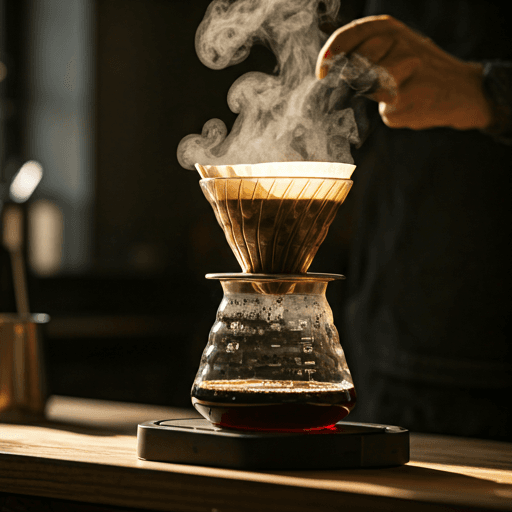
Here is how to make blood orange cold foam: it is a sunset-pink-to-crimson, sweet-tart, berry-scented citrus cap of cold-frothed milk flavoured with blood orange, whipped cold until it is thick enough to float on cold brew, iced coffee, an iced tea, or an espresso tonic. Poured slowly over ice, it settles into a vivid, creamy layer that slides down through the drink as you sip. You froth it cold, lean on syrup and zest for the flavour, and use only a small splash of juice for colour.
What blood orange cold foam is (and how it differs from hot foam and whipped cream)
Cold foam is milk frothed cold until it holds soft, pourable peaks, with no steam and no heat involved. Blood orange cold foam is simply that same cold foam tinted and flavoured with blood orange. For the full method and the gear behind frothing milk cold, see how to make cold foam and what cold foam is — this guide leans on those and stays focused on the citrus.
It helps to know how cold foam sits between two familiar things. Hot milk foam, the microfoam on a latte or cappuccino, is steamed, so the bubbles are warm, tight, and meant to be drunk right away. Whipped cream is thick and heavy and holds its shape in a dollop. Cold foam splits the difference: it is airier and lighter than whipped cream, cool rather than hot, and loose enough to pour in a slow ribbon so it floats on top of a cold drink instead of sinking or sitting in a stiff mound.
A quick word on the blood orange
The blood orange is a striking dark-fleshed citrus long grown around the Mediterranean, where cool nights coax its flesh from orange to a deep ruby or garnet. Its flavour is exactly why it makes such a good foam: it tastes like a sweeter orange crossed with raspberry and cranberry, a little tart, a little floral, with a berry perfume you do not get from an ordinary navel orange. The same pigment that colours the fruit is what gives the foam its gorgeous sunset-to-crimson blush, so a spoonful looks as good as it tastes.
Where the flavour and colour come from
The trick is to build the flavour mostly from blood orange syrup and the fragrant zest, with only a small splash of juice. Blood orange juice is acidic, and acid can thin cold foam and dull its pretty colour or make dairy look curdled, so you want just enough juice for a hint of fresh tang and a touch of colour, not enough to break the foam. A drop of vanilla rounds it out. Because citrus and sweetener can loosen milk, a splash of cream or a higher-protein milk gives the foam more body so it holds its peaks and floats.
Zest is your friend here. The oils in blood orange peel carry most of the aroma and add pretty colour flecks without bringing the acid that juice does, so zest perfumes the foam with no risk of curdling. Lean on zest and syrup first, and treat the juice as a finishing splash rather than the main flavour.
Ingredients
- 3 to 4 tablespoons cold milk, or a mix of cold milk plus a splash of cream (about 1 tablespoon cream to 3 of milk)
- 1 to 2 teaspoons blood orange syrup, to taste
- A small splash of fresh blood orange juice (about 1 teaspoon), optional, for tang and colour
- A little finely grated blood orange zest, plus more to finish
- A pinch of sugar, if you want it sweeter than the syrup alone
- An optional drop of vanilla extract
That makes enough foam to cap one tall drink. Scale it up in the same ratios for a jar you can pour from all week.
How to make blood orange cold foam, step by step
- Combine. Add the cold milk (or the milk-and-cream mix), blood orange syrup, zest, optional sugar, and vanilla to a tall cup or a jar. Add the small splash of juice last, if using.
- Froth cold. Whip with a handheld milk frother, or seal the jar and shake hard, until the mixture thickens into a soft, pourable foam with gentle peaks. A French press works too: pump the plunger up and down for 20 to 30 seconds. It should look glossy and hold a slow-moving ribbon.
- Check the thickness. If it is too thin to float, add a touch more cream or syrup and froth again; if it is stiff, loosen it with a teaspoon of cold milk. More cream means a thicker cap.
- Pour to float. Fill a glass with your cold coffee or tea over ice, then pour the foam slowly over the back of a spoon so it settles on top and floats in a clean layer.
- Finish. Grate a little more zest over the top for aroma and colour. Serve straight away, and sip through the foam or stir it in as you like.
What to float it on
Blood orange foam is best known as a blood orange foam iced coffee topper: spoon it over cold brew or iced coffee, where the citrus-and-berry note plays off the roast. It is just as good on an iced tea, black or green, and it is stunning on an espresso tonic, where bitter-sweet tonic and bright citrus meet under a creamy cap. That places it squarely in the citrus-foam family alongside orange cream cold foam and the tarter key lime cold foam — if you like one, the others are an easy next pour.
Milk choices and texture
The milk you pick decides how thick and stable the foam is. More fat and protein makes a sturdier, longer-lasting cap; leaner or plant milks froth lighter and softer. This table is a rough guide.
| Milk choice | Texture and how it holds |
|---|---|
| Whole milk | Rich, stable foam with a good balance of body and lift; an easy default |
| Milk plus a splash of cream | Thickest, most luxurious cream cold foam that holds longest and floats best |
| Skim or low-fat milk | Light and very airy but thinner; froths fast and fades quicker |
| Barista oat or soy | Best plant options; the higher protein helps them hold a soft foam |
| Almond or coconut | Froths but stays loose; add a little more syrup for body and expect a softer cap |
If you specifically want a blood orange cream cold foam, use the milk-plus-cream mix: the extra fat gives you the thick, spoonable-yet-pourable texture and the steadiest colour.
Tips for the best blood orange cold foam recipe
A few small things make this blood orange cold foam recipe reliable. Chill the milk well, since cold milk froths thicker and holds longer than milk near room temperature. Grate the zest finely so it disperses instead of clumping, and take only the coloured outer peel, not the bitter white pith beneath. Taste before you froth: it should read a touch sweeter and more citrusy than you want in the finished drink, because the coffee or tea underneath tempers it. If your syrup is very sweet, ease off the added sugar. And froth in short bursts, checking as you go, so you stop at soft, pourable peaks rather than whipping it stiff.
Make-ahead, keeping it cold, and safety
Cold foam is best fresh, but you can froth a small batch and keep it covered in the fridge for a few hours; give it a quick re-whip or shake before pouring, since it settles as it sits. Keep any extra zest and juice separate until you serve so the aroma stays bright. Both fresh dairy and fresh juice are perishable, so keep everything cold, do not leave frothed milk out at room temperature, and use it promptly — when in doubt, throw it out. Blood orange is a food here, not a remedy, so enjoy it for the flavour and colour. Responses to any food vary, and this is not medical advice.