
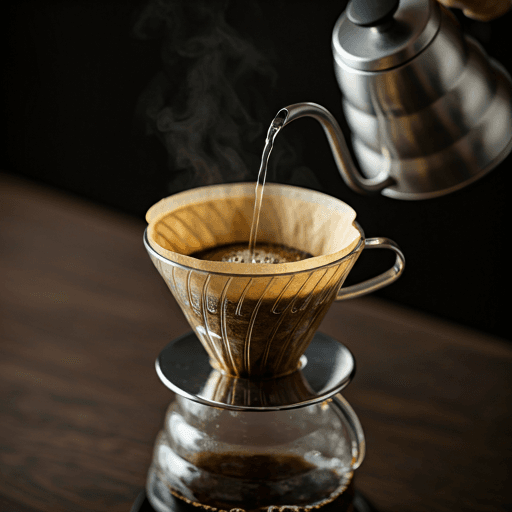
Here is how to make a magic coffee, the Melbourne cafe classic: pull a double ristretto — a short, concentrated double espresso — into a small 5 to 6 ounce cup, then pour silky steamed milk over the shots to fill. The two details that define the drink are the short ristretto shots and the small cup, and together they give you a stronger, sweeter, less milky cup than a flat white, with roughly a 1-to-2 espresso-to-milk feel.
That is the whole idea. A magic is not a secret formula or a hidden menu trick — it is simply a tightly built milk drink where the coffee stays firmly in charge. Once you understand why the ristretto and the small cup matter, you can pour one at home with the gear you already own. This guide walks through how to make a magic from shot to sip.
What a magic coffee is (and where it comes from)
A magic is a modern specialty-cafe drink that grew up in Melbourne, Australia, where a strong coffee culture and a fondness for precise little milk drinks made it a quiet local favorite. It spread from Melbourne espresso bars to specialty cafes elsewhere, but it still carries that Melbourne magic coffee identity: short, ristretto-based, poured small and served without much fuss. There is no single inventor and no official spec, which is part of its charm — it is a barista's drink, defined by proportion rather than branding.
At its core, a magic is a double ristretto topped with steamed milk in a small cup. Because the shots are ristretto — pulled short so the extraction stops early — the coffee tastes sweeter and rounder, with less of the bitter, watery tail you get from a longer shot. Pour that into a cup only slightly bigger than a cortado's and you get an intense, milk-softened coffee that many drinkers reach for when a flat white feels a touch too diluted.
Where a magic sits between a cortado and a flat white
The easiest way to place a magic is on a strength scale between a cortado and a flat white. A cortado is the most espresso-forward of the three, balancing a shot with a nearly equal splash of warm milk in a tiny glass. A flat white is the milkiest, built on a double shot under a larger pour of steamed milk with a thin microfoam. A magic lands in the middle: more milk than a cortado, but less milk and a smaller cup than a flat white, so it drinks stronger and sweeter than the flat white without being as sharp as the cortado.
This guide owns the how-to, so we will keep those cousins brief. For the full method and history of each, see our guides on how to make a flat white and how to make a cortado. Here, the job is to nail the magic.
Equipment you'll need
- An espresso machine that can pull a ristretto. The heart of a magic is a short, concentrated double shot, so you want a setup that lets you grind fine, dose a double, and stop the shot early. If pulling shots is new to you, our walk-through on how to make espresso at home covers grind, dose, and timing.
- A steam wand or milk frother. A magic needs glossy, wet microfoam — not stiff peaks. A steam wand is ideal, but a good handheld frother can get you close. Our guide on how to make steamed milk shows how to texture milk to that silky, paint-like consistency.
- A small 5 to 6 oz (about 150 to 180 ml) cup. This is not a detail you can skip. The small cup is half of what makes a magic a magic, keeping the milk restrained so the coffee stays loud.
- A scale and a timer (optional but helpful) for dialing in a repeatable ristretto.
Ingredients
- A double ristretto — two ristretto shots pulled together, roughly 30 to 40 ml of short, concentrated, sweet espresso. This is the engine of the drink.
- Steamed milk — whole dairy milk textures into the smoothest microfoam, but a barista-style oat or soy alternative that steams well works too. You need only enough to fill a small cup, so a small jug of milk goes a long way.
That is the entire magic coffee recipe: two short shots and just enough silky milk to fill a small cup. Everything else is technique.
How to Make a Magic Coffee, Step by Step
- Warm your small cup. Rinse a 5 to 6 oz cup with hot water. A small drink loses heat fast, so a warm cup keeps it right.
- Pull a double ristretto. Grind fine, dose a double, tamp evenly, and start the shot — then cut it short so you catch only the sweet, syrupy first part of the extraction, about 30 to 40 ml. Pull it straight into your warm cup. A ristretto looks darker and thicker than a normal shot and tastes noticeably sweeter.
- Steam the milk to a glossy microfoam. Texture your milk until it looks like wet paint — smooth, shiny, and pourable, with only a thin layer of fine foam. You are not building a thick, airy cap; you want silky milk that folds into the shots.
- Pour the milk over the ristretto to fill. Pour steadily into the center, letting the milk rise up through the crema, and fill the small cup to the top. Aim for a thin foam layer on the surface — enough for a little latte-art heart if you like, but nothing dry or bubbly.
- Serve at once. A magic is best the moment it is poured, while the milk is silky and the shots are hot.
That five-step method is really all there is to how to make a magic at home. Once you have poured a few, you can nudge the shot length or milk texture to taste.
The magic coffee recipe ratios, and why the small cup matters
The numbers people quote for a magic land around a 1-to-2 espresso-to-milk feel: a double ristretto (roughly 30 to 40 ml) filling out to about 150 to 180 ml total. Compare that with a flat white, which uses a similar or slightly longer double shot but a larger cup and more milk, and you can see why the magic drinks stronger — same coffee footprint, less liquid to dilute it.
Two choices do the heavy lifting. First, the ristretto shots: pulling short captures the sweeter, more soluble front of the extraction and leaves behind the bitter tail, so the coffee tastes concentrated and rounded rather than harsh. Second, the small cup: capping the volume keeps the milk from ever overwhelming the shots, so the coffee flavor stays in the foreground. Swap in a normal double shot and a bigger cup and you have not made a magic — you have made a flat white. It is genuinely those two details, the ristretto and the small cup, that separate the two.
One honest caveat: there is no official standard, so the exact recipe varies from cafe to cafe. Some baristas pour a hair more milk, some pull the ristretto a touch longer, and cup sizes drift between 5 and 6 ounces. Treat the ratios here as a reliable starting point and adjust to the cup you love.
Magic vs flat white vs cortado
Seeing the three side by side makes the magic click. The table below shows the rough build of each — every cafe pours a little differently, so read it as a guide, not a rulebook.
| Drink | Shot | Cup size and milk |
|---|---|---|
| Magic | Double ristretto (short) | Small 5-6 oz cup, filled with steamed milk (about 1:2) |
| Flat white | Double espresso (normal) | Larger 5-6+ oz cup, more steamed milk, thin microfoam |
| Cortado | Single or double espresso | Tiny glass, nearly equal warm milk (about 1:1) |
Read across, the milk climbs and the coffee softens: the cortado is the most espresso-forward, the magic sits sweeter and rounder in the middle thanks to its short shots, and the flat white is the largest and mildest of the three. If a flat white ever tastes a little watery to you, a magic is the natural step up in intensity; if a magic still feels too milky, the cortado is waiting one notch down.
A note on caffeine
A magic is built on a double shot, so it carries a full double's worth of caffeine — very roughly 100 to 150 mg, depending on your beans and pull, and a hair less if the ristretto runs especially short. That is a solid morning or early-afternoon lift for most people, but because it is a concentrated double-shot drink, it is worth going easy on it late in the day if caffeine tends to keep you up. Responses vary from person to person, and this is not medical advice — if you are sensitive to caffeine or cutting back, adjust to what works for you.