
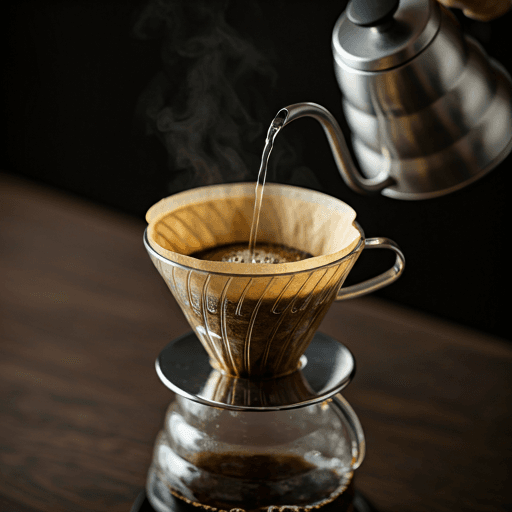
Learning how to make a macchiato is refreshingly simple: you pull a fresh shot of espresso, then "stain" it with just a small spoonful or two of steamed milk and its foam on top. The word macchiato means "stained" or "marked," so the drink stays mostly espresso with only a touch of milk to soften the edge — and the whole thing takes about a minute from start to sip.
This guide is about the traditional hot espresso macchiato: a single dollop of milk foam marking a fresh shot. It is not the tall, sweet cafe drink that shares part of the name. If you want the full history and the espresso-versus-latte-versus-caramel breakdown, see what a macchiato is. Here we focus on the steps, so you can make one macchiato at home with whatever gear you already have.
Where the macchiato sits on the milk scale
An espresso macchiato lands neatly between a straight espresso and a cortado. A plain espresso has no milk at all. A cortado balances the shot with a roughly equal pour of warm milk. A macchiato sits in between — mostly espresso, "marked" with just a spoonful or two of foam. That small dollop softens the sharpest edge of the shot without turning it into a milk drink, which is exactly the point: you still taste the espresso first, with the milk playing a quiet supporting role.
Equipment you'll need
- An espresso source. A home espresso machine is ideal, but a stovetop moka pot or a strong, concentrated shot works too. If you are new to pulling shots, our walk-through on how to make espresso at home covers grind, dose, and timing.
- A small cup. A demitasse or a 2-3 oz (60-90 ml) espresso cup keeps the proportions right. A big mug will swallow the drink and make it look under-filled.
- A way to make a little foam. A steam wand is classic, but a handheld milk frother, a French press, or even a jar you shake and warm will froth a small amount of milk. See how to make steamed milk for getting a smooth, wet microfoam.
- A small spoon to lift the foam onto the shot.
Ingredients
- Fresh espresso — a single (about 1 oz / 30 ml) or double shot, depending on how strong you like it.
- A little milk — just 1-2 tablespoons (about 15-30 ml), whole dairy milk or a barista-style oat or soy alternative that foams well. You need only enough to make a small cap of foam.
That is the entire espresso macchiato recipe: two ingredients, one shot, one dollop. The skill is all in the technique, not the shopping list.
How to Make a Macchiato, Step by Step
- Pull your shot. Grind fresh, tamp evenly, and pull a single or double shot of espresso straight into your warm cup. Aim for a shot with good crema — that golden layer on top gives the macchiato its look.
- Froth a small amount of milk. Steam or froth just 1-2 tablespoons of milk to a glossy, wet microfoam — the texture of wet paint, not stiff peaks. You want a little liquid milk under a soft, pourable foam.
- Mark the espresso. Using a spoon, hold back the liquid and lift just a dollop or two of foam onto the center of the shot. This is the "stain" — a small pale mark on the dark crema. Some baristas add a splash of the warm milk first, then the foam; either way, keep it to a spoonful or two so the drink stays espresso-forward.
- Serve at once. A macchiato is best the moment it is made, while the crema and foam are still fresh and the shot is hot. Drink it as is, or add a touch of sugar if you like — but taste it first.
That four-step method is really all there is to how to make an espresso macchiato. Once you have made a few, you can nudge the milk up or down by a spoonful to suit your taste.
Macchiato vs cortado vs latte at a glance
The quickest way to understand the macchiato is to see it beside its milkier cousins. The table below shows the rough proportions — every cafe pours a little differently, so treat these as a guide, not a rule.
| Drink | Espresso | Milk |
|---|---|---|
| Espresso macchiato | 1 shot | A spoonful or two of foam |
| Cortado | 1 shot | Equal amount of warm milk (about 1:1) |
| Latte | 1-2 shots | Lots of steamed milk (about 1:3 or more) |
Read left to right, the milk climbs from a mere mark, to an equal pour, to a tall cup of mostly milk. The macchiato is the most espresso-forward of the three.
A moka pot macchiato without a machine
No espresso machine? A moka pot makes a strong, concentrated brew that stands in nicely. Brew a small pot on the stove, pour about 1-1.5 oz (30-45 ml) of that concentrate into your cup, then froth a tablespoon of milk with a handheld frother or a shaken jar and spoon the foam on top. It will not have true espresso crema, but the ratio — mostly strong coffee, marked with a little foam — captures the spirit of the drink. Keep the milk small; the moka brew is the star.
How it compares to a cortado
People often mix up the macchiato and the cortado because both are small and espresso-led. The difference is the milk. A macchiato is a shot marked with a dollop of foam — you taste espresso first, milk second. A cortado adds a roughly equal amount of warm, barely-foamed milk, so it drinks smoother and rounder. If the macchiato feels a touch too sharp for you, the cortado is the natural next step up; our guide on how to make a cortado walks through it.
Not the same as a latte or caramel macchiato
Two drinks share the macchiato name but are entirely different, and this recipe is neither. A latte macchiato flips the order — it is a tall glass of steamed milk "marked" with a shot of espresso poured through, so it is milk-forward, not espresso-forward. A caramel macchiato is a sweet cafe creation of milk, vanilla, and caramel with espresso, closer to a flavored latte. Both are milkier or sweeter than the traditional espresso macchiato, and both deserve their own method — we are not making them here.
Tips for a better macchiato at home
- Warm the cup. A cold cup drops the temperature of a small drink fast, so rinse it with hot water first.
- Use fresh beans. Crema — and therefore that clean "stain" — depends on fresh, properly ground coffee.
- Go light on milk. When in doubt, use less. It is easy to add another spoonful; you cannot take milk back out.
- Froth cold milk. Milk foams best starting cold, so pour it straight from the fridge.
- Serve immediately. Foam collapses and crema fades within a minute or two, so make the drink just before you sip it.
A quick word on caffeine
A macchiato is essentially espresso with a whisper of milk, so it carries a full shot's worth of caffeine — very roughly 60-80 mg for a single, and more for a double. That is a pleasant morning or afternoon lift for most people, but it is worth going easy late in the day if caffeine tends to keep you up. Responses vary from person to person, and this is not medical advice — if you are cutting back or have any sensitivity, adjust to what works for you.