
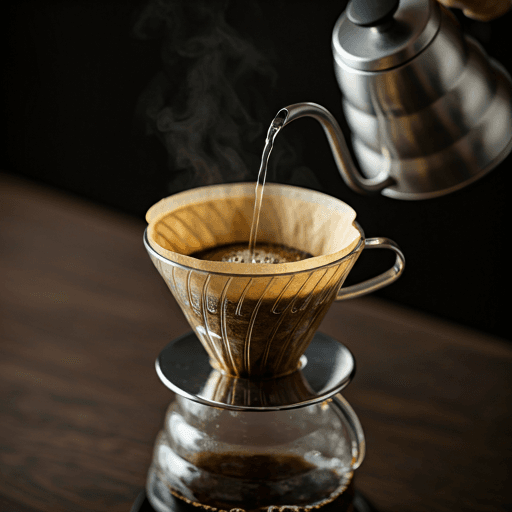
Want to know how to make a breve? The short answer: pull a shot of espresso and top it with steamed, lightly foamed half-and-half — equal parts milk and cream — in place of plain milk. That single swap is the whole trick, and it is what makes a breve, or cafe breve, noticeably richer, sweeter and more velvety than a latte. You build it like a small latte, but you should expect a thicker, denser foam and a heavier cup.
This guide owns the steps. For the fuller story — where the name comes from, how the drink compares with a latte on flavor and calories, and when to reach for one — see what a breve coffee is. Here, we are getting straight to the making.
What a breve is, in one breath
A breve is an espresso drink whose entire identity is the dairy: steamed half-and-half instead of milk. Half-and-half is roughly half whole milk and half light cream, so it carries more fat than milk and far less than pure cream. Steam it and it turns into a dense, custardy foam that sits richer on the tongue than the airy microfoam of a latte. Everything else about the drink — the shot, the cup, the pour — is familiar territory. Get comfortable with the dairy and you have got the drink.
Because the half-and-half does all the heavy lifting, a cafe breve is one of the easiest espresso drinks to nail at home. If you can steam milk, you can steam half-and-half; it just asks for a slightly gentler hand.
Equipment you will need
- An espresso machine, or a stovetop moka pot for a strong, concentrated shot. If you want a refresher on the shot itself, walk through how to make espresso at home.
- A steam wand, a handheld frother, or a small saucepan and whisk to texture the dairy. The technique is the same idea as milk — see how to make steamed milk for the motion and the temperature cues.
- A small steaming pitcher, ideally chilled.
- A 6 to 8 oz (180 to 240 ml) cup, since a breve is usually poured smaller than a latte.
- A thermometer if you have one. Half-and-half scorches faster than milk, so a little temperature control goes a long way.
Ingredients for a cafe breve recipe
- A fresh single or double shot of espresso, about 1 to 2 oz (30 to 60 ml).
- Half-and-half, roughly 3 to 5 oz (90 to 150 ml) depending on your cup size.
- Optional sweetener — a splash of syrup or a little sugar. Many people find half-and-half sweet enough on its own, so taste before you add.
No half-and-half on hand? Stir together equal parts whole milk and cream — light cream is closest, but a smaller amount of heavy cream topped up with whole milk works too — and you will land in the same neighborhood. That homemade blend is the heart of any breve coffee recipe, and it is worth keeping in mind if half-and-half is hard to find where you are.
How to make a breve, step by step
- Pull your espresso. Brew a single or double shot straight into your warmed cup. A double gives you a bolder cup that stands up to all that cream; a single keeps things mellow.
- Measure the half-and-half into a cold pitcher. Pour in only as much as your cup will hold once the espresso is in. Starting cold gives you a longer, more controllable window to build foam before it overheats.
- Steam it gently. This is the one place a breve differs from a latte in feel. Half-and-half foams thicker and faster than milk and can scorch, so keep the temperature moderate and pull the pitcher off the heat sooner than you would for milk. Aim for warm rather than scalding — roughly 55 to 60 C (130 to 140 F) is a forgiving target. Introduce just a little air at the start for foam, then submerge the wand to spin and smooth the texture.
- Settle and swirl. Tap the pitcher on the counter to pop large bubbles, then swirl to fold the dense foam back into the liquid. Half-and-half foam is heavier, so it holds together well.
- Pour over the espresso. Hold the foam back with a spoon and pour the warm half-and-half into the shot first, then spoon the thick foam on top. Because the foam is denser, expect it to mound rather than lie flat like latte art.
- Finish and taste. Add syrup or sugar only now, if you want it, and stir gently. Your breve should taste round, creamy and a touch sweet without anything else added.
Latte vs breve: what actually changes
The recipe is a latte template with one ingredient swapped. This is the whole difference in a nutshell:
| Component | Latte | Breve |
|---|---|---|
| Dairy | Steamed whole or 2% milk | Steamed half-and-half (equal milk and cream) |
| Foam | Thin, glossy microfoam | Thicker, denser, custard-like foam |
| Texture | Silky and light | Rich, velvety, heavier in the cup |
| Sweetness | Mild dairy sweetness | Rounder, naturally sweeter mouthfeel |
| Typical size | 8 to 12 oz (240 to 350 ml) | Often smaller, 6 to 8 oz (180 to 240 ml) |
Some cafes even list the drink as a breve latte, since it really is a latte built on half-and-half. If you already make lattes at home, you can follow how to make a latte at home and simply pour half-and-half where the milk goes.
Ratios: stronger vs milkier
Dial the drink to your taste by shifting the shot-to-dairy balance:
- Stronger and more espresso-forward: a double shot with about 3 oz (90 ml) of half-and-half. The cream softens the espresso without burying it — closer in spirit to a flat white, tighter and bolder, built on the same short-and-strong logic.
- Milkier and mellower: a single shot with 4 to 5 oz (120 to 150 ml) of half-and-half for a softer, dessert-like cup.
For an iced breve, pull your shot and let it cool slightly, fill a glass with ice, and pour cold or lightly frothed half-and-half over the top; skip the steaming and stir. It comes out silky and rich even without heat, though the foam will be lighter.
One more practical note: a breve is heavier than a latte, so many people size it smaller on purpose. An 8 oz cup of breve can feel like plenty when a 12 oz latte would not, and starting small is an easy way to enjoy the richness without it becoming too much.
A light note on enjoying your breve
A breve is a caffeinated, cream-rich dairy drink, so it is best treated as an occasional indulgence rather than an all-day pour. Because half-and-half brings more fat than milk, the cup feels heavier and sits longer, and the caffeine is the same as any espresso drink — so going easy late in the day can help if caffeine affects your sleep. Responses vary from person to person, and this is not medical advice; enjoy it the way that feels right for you.