
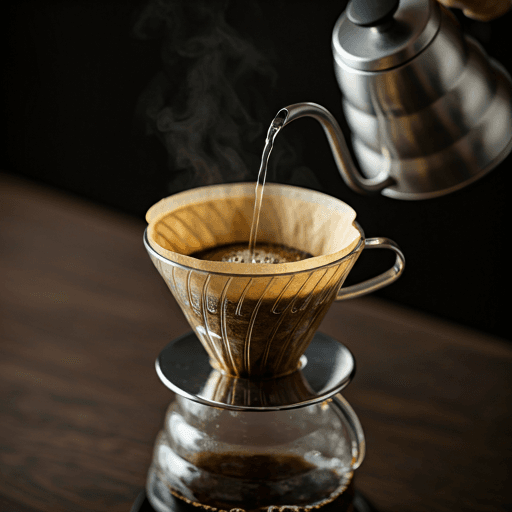
The short answer to how to make a bicerin: you build three layers in a small clear glass — a spoonful or two of hot, thick drinking chocolate at the bottom, a shot of espresso poured gently over it in the middle, and a float of softly whipped or thick cream on top. You serve it warm and, traditionally, you do not stir it, so each sip travels down through the cool cream, into the hot espresso, and finishes in the dark chocolate. It is the historic cafe drink of Turin, in northern Italy, and the whole trick is keeping those three layers apart.
Below is a full bicerin recipe: what the drink is and where it comes from, why the layers hold, the short equipment and ingredient lists, the step-by-step build, and how a bicerin differs from a mocha. It is rich and small by design, so treat it as a treat rather than a mug you keep refilling.
What a bicerin is, and its Turin heritage
A bicerin is a layered coffee, chocolate and cream drink served warm in a small glass. The name comes from the Piedmontese dialect word for "small glass," and the drink is tied to the historic cafes of Turin, in northern Italy, where a version has been poured since the late 1700s. It grew out of an older local drink called the bavareisa, which mixed coffee, chocolate and milk together in one cup; over time the Turin version settled into the three distinct layers people recognise today.
That layered identity is the whole point of a turin bicerin. Rather than blending everything into one brown drink, you keep the dark chocolate, the espresso and the cream visibly separate in the glass, so the eye reads three bands and the palate meets them one at a time. The classic order, from the bottom of the glass up, is chocolate, then coffee, then cream.
The key to the layers
Layering works because of density, not magic. A proper drinking chocolate — real dark chocolate or good cocoa melted with a little milk and sugar — is thick and heavy, so it sinks to the bottom of the glass and stays put. Espresso is lighter than that syrupy chocolate, so when you pour it gently it floats on top of the chocolate rather than sinking in. Softly whipped or thick cream is lighter still, loosened with air, so it rests on the espresso as a pale cap.
Two small habits keep the bands crisp. First, pour slowly over the back of a spoon held just above the surface, so the liquid spreads sideways instead of punching down through the layer below. Second, do not stir. A bicerin is meant to be sipped through the cream, so the flavours meet in your mouth, not in the glass.
Equipment
- An espresso maker, or a strong stovetop shot. A real espresso machine is ideal, but a moka pot or a concentrated AeroPress shot both give you a base strong enough to hold its own against the chocolate. If you want to dial the shot in first, see how to make espresso at home.
- A small saucepan. You need it to melt and warm the drinking chocolate gently over low heat.
- A small clear glass. Clear glass is traditional and, honestly, half the pleasure — you want to see the three layers stack up. Something around 120 to 180 ml is about right.
- A spoon, and a small whisk or frother if you like. The spoon is for the gentle pour and for lightly whipping the cream. If you would rather crown the drink with warm, textured milk than cream, the technique lives in how to make steamed milk.
Ingredients
- Thick hot drinking chocolate. Made from real dark chocolate or good-quality cocoa, melted with a little milk and a touch of sugar until it is glossy and just pourable but still thick. This is the base and the heaviest layer.
- A shot of espresso. One single or double shot, roughly 30 to 60 ml, freshly pulled and hot.
- Lightly whipped or thick cream. Softly whipped so it still just pours, or a spoon of thick pouring cream. It should be loose enough to float in a soft layer, not stiff enough to sit as a firm dollop.
Proportions are flexible, but a common bicerin coffee balance is roughly equal parts chocolate and espresso with a smaller crown of cream.
How to make a bicerin, step by step
- Make a small amount of thick drinking chocolate. In the saucepan over low heat, melt about 30 to 40 ml worth of dark chocolate or cocoa with a splash of milk and a little sugar, stirring until smooth, glossy and thick. Keep it warm, not boiling.
- Spoon the chocolate into the glass. Pour or spoon the warm chocolate into the bottom of your small clear glass to form the first layer, and let it settle flat.
- Pull the espresso and layer it on. Brew your shot, then pour it slowly over the back of a spoon held just above the chocolate, so the espresso spreads out and floats rather than plunging in. You should see a second, lighter band form over the dark chocolate.
- Float the cream on top. Lightly whip the cream so it holds a soft, barely-pourable texture, then spoon or pour it gently over the back of the spoon onto the espresso. It should sit as a pale cap on top.
- Serve warm and unstirred. Bring it to the table right away, while the chocolate and espresso are still hot and the cream is cool. Do not stir — sip straight through the cream so each mouthful gathers all three layers at once.
Here is the build at a glance, from the bottom of the glass up.
| Layer | Ingredient | Order from bottom |
|---|---|---|
| Base | Thick hot drinking chocolate | 1 (poured first) |
| Middle | Shot of espresso | 2 (poured gently over the chocolate) |
| Top | Softly whipped or thick cream | 3 (floated last) |
Proportions vary from cafe to cafe and cup to cup — some pours lean more chocolatey, others more coffee-forward — so treat those measures as a starting point and adjust to taste. The one constant is that a bicerin is meant to be rich and small, a few indulgent sips rather than a large drink you nurse for an hour.
How a bicerin differs from a mocha
A bicerin and a mocha share the same three ideas — espresso, chocolate and dairy — but they are built and drunk very differently. A mocha is stirred together into one smooth, milky drink: you combine espresso, melted chocolate and a good amount of steamed milk so it tastes like a chocolate-flavoured latte. A bicerin keeps its chocolate, coffee and cream in separate layers, leans on a small float of cream rather than a big pour of milk, and is served unstirred so you taste the bands in sequence. In short, a mocha is milkier and blended; a bicerin is layered and more intense. If the milky, stirred style is what you are actually after, that sits in the latte family — see how to make a latte at home.
If you love the chocolate-and-coffee pairing but want a cold, cafe-style topping instead of warm cream, a spoon of chocolate cold foam gives you a similar dark-chocolate crown over iced coffee — a different drink, but a related layered idea.
A light note on enjoying a bicerin
A bicerin is a rich, caffeinated, indulgent drink by design, so it is best treated as an occasional treat rather than an everyday refill, and it is worth going easy on it late in the day if caffeine tends to keep you up. Responses to caffeine and rich foods vary from person to person, and none of this is medical advice. One practical aside: chocolate is toxic to dogs, so keep the drinking chocolate, the finished glass and any spills well out of a curious pet's reach.
That is the whole of it. Get a thick chocolate base, a gently floated shot of espresso, and a soft cap of cream into a small clear glass, resist the urge to stir, and you have a proper bicerin — the layered little glass Turin has been serving for more than two centuries.