
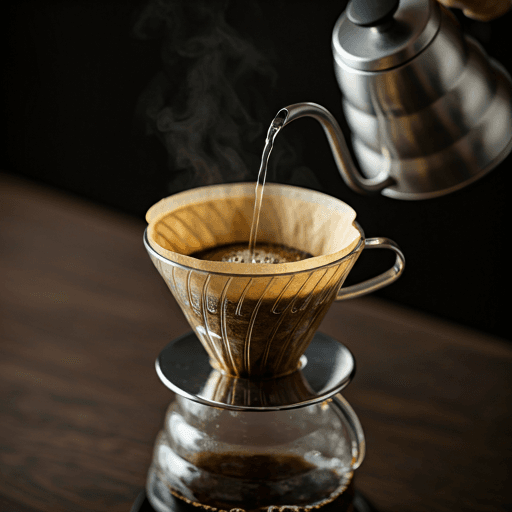
How much caffeine in a cortadito? A cortadito is a small Cuban-style espresso drink cut with a little steamed milk and lightly sweetened, and it usually carries roughly 60 to 130 mg of caffeine per serving. The range is wide because the caffeine in a cortadito depends almost entirely on whether the drink is built on a single or a double shot of espresso. The milk and the sugar add none.
Below we break down where that number comes from, why the shot count is the whole story, and how a cortadito stacks up against a plain espresso, a cortado, and a regular cup of brewed coffee. For the full story on what a cortadito actually is and how it is put together, see our guide to the cortadito.
How much caffeine in a cortadito: the short answer
A cortadito is espresso softened with a splash of warm or steamed milk and sweetened, so its caffeine is simply the caffeine of the shot or shots underneath it. As a rough guide:
- Single-shot cortadito: around 60 to 80 mg of caffeine.
- Double-shot cortadito: around 120 to 130 mg of caffeine.
Those figures are estimates, not fixed values. Caffeine content shifts with the beans, the grind, the dose of ground coffee, and how the shot is pulled. Treat the single-versus-double split as the main lever and everything else as fine-tuning. Because the milk is only a small pour and sugar contributes no caffeine at all, the drink lands close to the caffeine of the espresso it starts from.
Why the shot count decides it
The one factor that reliably moves the caffeine in a cortadito is how many espresso shots go into the cup. A single shot of espresso typically holds somewhere in the region of 60 to 80 mg of caffeine, while a double roughly doubles that. Since a cortadito is little more than that shot plus a splash of milk, the caffeine essentially tracks the espresso base. If you want the deeper numbers on how a shot is measured and why the figure varies, our explainer on caffeine in espresso covers it in detail.
This is why asking a barista for a "double cortadito" changes the answer more than any other choice you can make. A single-shot version sits in the same neighborhood as one espresso; a double version can push toward the upper end of the range or a little beyond. If you are watching your intake, the shot count is the number to ask about.
It is worth separating strength from size here. A cortadito is a small drink, often just a few ounces in the cup, so it can feel modest next to a tall glass of iced coffee. But caffeine follows the espresso, not the volume, which is why a compact double cortadito can carry more caffeine than a much larger cup of drip. The concentration is doing the work, and that is easy to underestimate when the serving looks small.
How a cortadito compares
Caffeine only makes sense in context, so here is how a cortadito lines up against a few familiar drinks. All figures are approximate and depend on the beans, the size, and the brew.
| Drink | Approx caffeine per serving |
|---|---|
| Cortadito (single shot) | ~60-80 mg |
| Cortadito (double shot) | ~120-130 mg |
| Espresso (single shot) | ~60-80 mg |
| Cortado | ~60-130 mg |
| Brewed coffee (8 oz / 240 ml) | ~95 mg |
A single-shot cortadito is close to a plain espresso, because that is basically what it is under the milk. A cortado is another espresso-and-milk drink and follows the same single-versus-double logic, so its caffeine overlaps heavily with a cortadito's; for the specifics see how much caffeine in a cortado. Against a standard 8-ounce cup of brewed coffee, which averages around 95 mg, a single cortadito is often a touch lower and a double is usually higher, even though the cortadito is a far smaller drink by volume. That is the espresso concentration talking.
What changes the caffeine in a cortadito
Beyond the shot count, a handful of factors nudge the figure up or down:
- Number of shots: the biggest lever, as covered above. One versus two shots roughly halves or doubles the caffeine.
- Robusta versus arabica: robusta beans generally contain noticeably more caffeine than arabica by weight, so a blend with robusta, common in many espresso and Cuban-style blends, tends to sit at the higher end.
- How it is pulled: a shorter, restricted pull (a ristretto-style shot) extracts a little differently than a longer one, and the dose of ground coffee in the basket matters too. Extraction is not perfectly proportional to caffeine, but a heavier dose usually means more.
- Decaf: a decaf cortadito is not caffeine-free, but it drops to a small fraction of the usual amount, often only a few milligrams per shot.
Milk and sugar, for the record, do not belong on this list. Neither contributes caffeine, so the size of the milk pour or the amount of sugar only affects taste, body, and sweetness. A cortadito made with a generous splash of milk has the same caffeine as one made with barely any, provided the espresso underneath is identical.
All of these are estimates, and any given cup can land outside the typical range. If a precise number matters to you for health reasons, the only reliable approach is to know the exact beans and shot count in your cup.
The Cuban sugar note
One thing that makes a cortadito distinctive in Cuba and across the Cuban-style coffee tradition is how it is sweetened. Rather than stirring sugar into the finished drink, the sugar is often whipped together with the first drops of espresso to make a pale, frothy layer sometimes called espuma, then the rest of the shot and the milk are added. It is the same technique used for a straight Cuban espresso, or cafecito.
This matters for flavor and texture, but not for caffeine. Sugar has no caffeine, so whipping it into the shot instead of stirring it in later does not change the total. A sweeter cortadito and an unsweetened one built on the same espresso carry the same caffeine. If you skip the sugar entirely, the caffeine is unchanged.
How a cortadito fits your daily caffeine
General guidance often cited for healthy adults puts a moderate daily ceiling around 400 mg of caffeine, which would be several single-shot cortaditos or a smaller number of doubles, alongside whatever else you drink through the day. For the full picture on where that figure comes from and how to think about a day's total, see how much caffeine per day.
That 400 mg figure is a general reference, not a personal target. Caffeine sensitivity varies a lot from person to person, and factors such as sleep, pregnancy, breastfeeding, certain medications, and existing health conditions can lower the amount that feels comfortable, sometimes considerably. If any of those apply to you, or if caffeine tends to affect your sleep or leave you jittery, it is worth talking with your own healthcare provider about what is right for you.
Responses vary from person to person, and this is general information, not medical advice.
The bottom line
A cortadito usually delivers about 60 to 130 mg of caffeine, driven almost entirely by whether it is a single or a double shot of espresso. The milk softens it and the sugar sweetens it, but neither adds any caffeine. If you want to know the amount in your own cup, ask how many shots went in and whether the blend leans toward robusta, and you will have a solid estimate.