
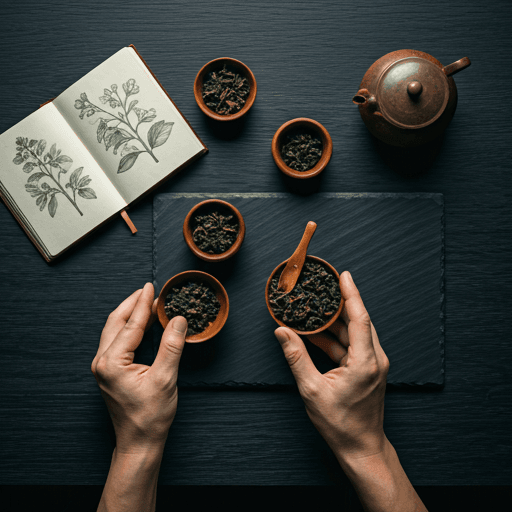
Gyokuro tea is one of Japan's finest and most prized green teas. Its name means "jade dew," and what sets it apart is that the tea plants are shade-grown, covered from sunlight for roughly three to four weeks before harvest. That single change boosts chlorophyll and the amino acid L-theanine while lowering bitterness, giving gyokuro its deep green color and an intensely smooth, sweet, savory umami flavor unlike ordinary green tea.
If you have only ever had a grassy, slightly astringent cup of everyday green tea, gyokuro tastes like it belongs in a different league: rounded, brothy, and almost sweet. Here is what it is, why the shading matters, how it compares to sencha and matcha, and exactly how to brew it so you get the umami and not the bitterness.
What is gyokuro tea?
Gyokuro tea is a premium loose-leaf Japanese green tea made from the Camellia sinensis plant, the same species behind every true tea. What makes it special is not a different plant but a different growing method. For about three to four weeks before the spring harvest, farmers cover the tea bushes to block most direct sunlight. The leaves are then steamed, rolled, and dried much like ordinary green tea, but the flavor that results is dramatically different.
Gyokuro green tea is considered one of the highest grades of Japanese tea. It is grown in relatively small quantities in regions long famous for it, and the labor of shading, careful picking, and processing all add up. In plain terms, it is a premium tea: expect it to sit well above everyday green tea in price and to be treated as something you brew slowly and savor rather than gulp. We discuss cost only in general terms here, but it is fair to think of gyokuro as a special-occasion or connoisseur's tea.
The shading: why gyokuro is different
The whole story of gyokuro is the shade. When a tea plant grows in full sun, it produces catechins, the compounds behind green tea's brisk, slightly bitter, astringent edge. Sunlight drives that process. When you cover the plant and cut off most of the light for several weeks, the leaf changes what it makes.
- More L-theanine. Shading lets the amino acid L-theanine build up in the leaf instead of being converted along the usual sunlight-driven pathway. L-theanine is the source of gyokuro's savory, sweet, umami depth, and it is also associated with a calm, focused feeling.
- More chlorophyll. Deprived of sun, the plant produces extra chlorophyll to capture what light it can. That is why gyokuro leaves and liquor are such a deep, vivid green.
- Less catechin bitterness. With less sunlight, the leaf produces fewer of the astringent catechins, so the cup tastes smoother and sweeter with almost no harsh edge.
This is the same shading trick used to grow the leaf that becomes matcha. The difference is what happens next: gyokuro stays a whole leaf you steep, while matcha leaf is ground into fine powder, as the comparison below explains.
What gyokuro tastes like
Gyokuro's signature is umami: a rich, savory, brothy quality that some drinkers compare to a light seaweed or dashi-like broth, wrapped in natural sweetness. There is almost no astringency and very little of the grassy sharpness people associate with cheaper green tea. The body feels thick and rounded on the tongue, and the finish is soft and lingering.
Because so much of that flavor comes from L-theanine and other amino acids, the way you brew it matters enormously. Brew it like a normal tea and you will scald those delicate compounds and pull out bitterness instead. Brew it gently and you unlock a cup that is genuinely sweet without any sugar. To understand where that smoothness and the antioxidant compounds come from across the whole green-tea family, our explainer on green tea antioxidants is a good companion read.
Gyokuro vs sencha vs matcha
All three teas come from the same plant, and the differences come down to sunlight, processing, and how you prepare them. The gyokuro vs sencha comparison is the clearest way to understand shading, because the two are made almost identically except for the shade.
| Aspect | Gyokuro | Sencha | Matcha |
|---|---|---|---|
| Growing | Shade-grown ~3-4 weeks before harvest | Grown in full sun | Shade-grown, like gyokuro |
| Form | Whole rolled leaf you steep | Whole rolled leaf you steep | Leaf ground into fine powder, whisked |
| Flavor | Sweet, rich umami, brothy, low astringency | Fresh, grassy, brisk, more astringent | Concentrated, vegetal, creamy-umami |
| Color | Deep jade green | Bright green | Vivid, opaque green |
| Brew temperature | Very low, ~50-60 C / 120-140 F | Moderate, ~70-80 C / 160-175 F | ~70-80 C, whisked (not steeped) |
| Typical use | Slow, savored small cups | Everyday green tea | Lattes, ceremony, cooking |
Gyokuro vs sencha
Sencha is grown in full sun, which gives it a fresh, grassy, brisk character with noticeable astringency, the classic Japanese green tea taste. Gyokuro is the shaded version of that same style, so it trades the grassy briskness for sweetness and umami. If sencha is a crisp, refreshing everyday cup, gyokuro is a slower, richer, more luxurious one.
Gyokuro vs matcha
Matcha shares gyokuro's shading, which is why both taste so umami-rich. The split is in processing: matcha leaf (called tencha) is de-veined and stone-ground into powder that you whisk into water and drink whole, while gyokuro remains a leaf you steep and then discard. That means with matcha you consume the entire leaf, and with gyokuro you drink only what infuses into the water. For a fuller comparison of the powdered side, see our guide to what matcha is.
Caffeine in gyokuro
Shading tends to keep caffeine relatively high, so gyokuro is generally not a low-caffeine tea, and it often sits among the more caffeinated green teas. Exact numbers vary a lot with the leaf, the amount you use, water temperature, and steep time, so treat any figure as a rough guide rather than a fixed value. What many drinkers notice, though, is that the high L-theanine content seems to soften the effect into a calm, steady alertness rather than a jittery spike. As with any caffeinated drink, sensitive people, anyone watching their intake, and those who are pregnant or breastfeeding may want to keep caffeine moderate and treat gyokuro like other real teas.
How to brew gyokuro
How to brew gyokuro is the part that trips people up, because it is brewed very differently from most tea. The goal is to coax out sweetness and umami while leaving the bitterness behind, which means cool water, a generous amount of leaf, and a short steep.
- Use plenty of leaf. Gyokuro likes a generous leaf-to-water ratio and a small serving, often just a small cup rather than a big mug. A small teapot such as a Japanese kyusu works well.
- Cool the water right down. Aim for roughly 50-60 C (120-140 F), far cooler than the near-boiling water most tea wants. Boil the kettle, then let it cool, or pour it between cups a few times to drop the temperature. Above about 70 C the astringency arrives and the umami recedes.
- Use only a little water. Pour a small amount of the cooled water over the leaves, just enough to cover them.
- Steep briefly. Around 1.5 to 2 minutes for the first infusion. Do not rush to a full mug; the reward here is a small, concentrated, intensely flavored serving.
- Pour to the last drop. Empty the pot completely so the leaves are not left sitting in water, which keeps later steeps clean and sweet.
- Re-steep several times. Good gyokuro re-steeps multiple times, and each round tastes a little different. Later infusions can use slightly warmer water and shorter steeps. Some connoisseurs sip the tiny first infusions almost like a savory broth.
If you are new to premium whole-leaf teas, the single most important rule with gyokuro is to treat it far more gently than any other tea: cooler water, more leaf, and shorter steeps than you might expect. Get that right and the sweetness looks after itself.
Where gyokuro fits in the green-tea world
Gyokuro sits at the premium end of Japanese green tea, prized for the sweetness and umami that come from weeks of shade. It rewards patience and a gentle hand at the kettle more than almost any other tea. If you enjoy exploring how growing and processing reshape a single plant, it is worth tasting gyokuro alongside its relatives: the Chinese rolled-pellet style in our gunpowder green tea explainer, and the toasty, low-caffeine roasted cousin covered in what hojicha is. Brew a small cup slowly, taste each infusion as it changes, and you will understand why gyokuro has such a devoted following.