
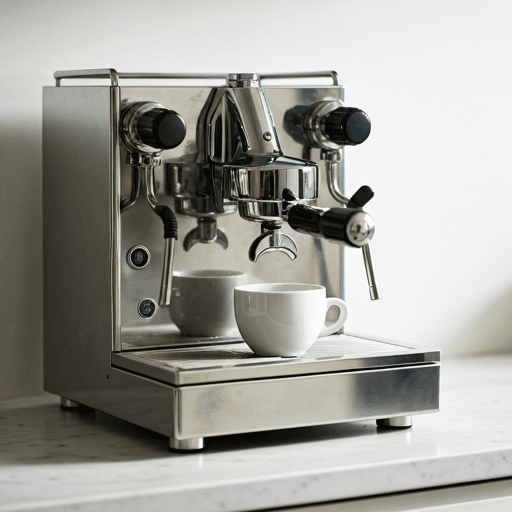
A grind and brew coffee maker is a drip machine with a grinder built in: you load whole beans and water, press one button, and it grinds the beans fresh and then brews them automatically in a single cycle. In short, coffee grind and brew pairs the flavor of grinding right before brewing with the hands-off ease of a one-touch drip pot, often with a programmable timer so a fresh carafe is waiting when you wake up. This guide explains how these machines work and where they shine, so you can decide whether one belongs on your counter.
What is a grind and brew coffee maker?
So what is a grind and brew coffee maker, exactly? It is a single appliance that combines two jobs most kitchens keep separate: grinding whole beans and brewing drip coffee. A plain drip machine expects you to add pre-ground coffee; a pod machine uses sealed capsules. A grind and brew instead has a bean hopper on top and a grinder inside, so the freshest possible grounds go straight into the brew basket seconds before hot water hits them.
That freshness is the whole point. Coffee starts losing aroma within minutes of grinding as it stales and oxidizes, which is why grinding on demand tastes brighter than scooping from a bag of pre-ground. If you want the fuller case for that, see fresh ground vs pre-ground coffee. A grind and brew simply automates that step into your morning routine.
How a grind and brew coffee maker works
The flow inside an automatic grind and brew is straightforward:
- Bean hopper: you fill a lidded container on top with whole beans. Many hoppers hold enough for several days.
- Integrated grinder: at brew time the machine measures out beans and grinds them. Entry-level models use a blade grinder; better ones use a conical burr grinder.
- Grounds chute: the fresh grounds drop down a short chute into the filter basket, which holds a paper or permanent metal filter.
- Drip brew: the machine heats water and drips it over the grounds, just like any drip coffee maker, and the finished coffee collects in the carafe.
Because a coffee maker that grinds beans handles all of this in one pass, you typically just choose your settings, hit start, and walk away. Set the timer the night before and the machine grinds and brews on its own in the morning.
Burr vs blade: the feature that matters most
The single most important thing to understand about any grind and brew coffee maker is the grinder type, because it shapes the taste of every cup. A blade grinder uses a spinning propeller-style blade to chop beans, much like a blender. It is cheaper and simpler, but it produces an uneven mix of dust and chunks, which brews unevenly and can taste both bitter and weak at once.
A burr grinder crushes beans between two abrasive surfaces set a fixed distance apart, so the grounds come out a far more consistent size. That even grind extracts more evenly and tastes cleaner and sweeter. Most quality grind and brew machines use a conical burr. If you want to understand grinders in depth, the coffee grinder guide covers burr and blade designs and why consistency matters.
Key features to weigh
Beyond the grinder, a handful of features separate one machine from another. Here is what each does and why it matters.
| Feature | Why it matters |
|---|---|
| Grinder type (burr vs blade) | Burr grinds evenly for cleaner, more balanced flavor; blade is cheaper but uneven. The biggest driver of cup quality. |
| Grind size settings | Lets you go coarser or finer to match your taste and brew. Note that some machines label this only as a "strength" or "cups" control, which changes the dose, not the grind size. |
| Strength / cup selector | Adjusts how many beans are ground per batch, so you can dial coffee up or down without changing beans. |
| Programmable timer | Grinds and brews at a set time, so fresh coffee is ready when you wake. The signature convenience of the category. |
| Carafe: thermal vs glass | A glass carafe sits on a hot plate that can scorch coffee over time; an insulated thermal carafe keeps coffee hot without cooking it. |
| Capacity: single cup vs full carafe | Some models brew a full multi-cup carafe; others brew a single mug or travel cup on demand. Match this to how much you drink. |
| Pre-ground bypass | Lets you skip the grinder and use pre-ground coffee, handy for decaf or flavored blends you would rather keep out of the grinder. |
| Removable, cleanable parts | A hopper, chute, and basket you can detach and rinse make the extra upkeep of a built-in grinder far less of a chore. |
Machines like the Breville Grind Control, various Cuisinart grind-and-brew models, and Black+Decker's budget versions all sit somewhere on this spectrum, from simple blade-and-glass-carafe units to programmable burr machines with thermal carafes. Treat those as examples of the range rather than a shopping list; for help picking a specific unit, see the roundup of the best grind and brew coffee makers.
The upside of grind and brew
The reasons people love these machines are practical:
- Fresh-ground flavor, automatically. Grinding seconds before brewing captures aroma that pre-ground coffee has already lost.
- One appliance, less clutter. You skip a separate grinder, so there is one machine on the counter instead of two.
- Genuine convenience. Load beans and water, press start. No measuring grounds, no extra step.
- Wake-up-to-coffee timers. A programmable model does the whole job, grinding included, before you are out of bed.
The trade-offs to know
An honest look at grind and brew means naming the downsides too:
- More cleaning. The grinder and the chute that feeds grounds into the basket collect coffee residue and can clog, especially with dark, oily beans. This is the most-neglected maintenance task and a common cause of trouble, so a weekly brush-out and regular descaling matter.
- The built-in grinder is often modest. A grinder crammed into a coffee maker rarely matches a dedicated standalone grinder for range and consistency.
- One point of failure. If the grinder jams or breaks, the whole machine is usually out of action, not just one component you can replace.
- Morning noise. Grinding is loud, and a timed machine will fire up the grinder early whether the household is ready for it or not.
Who a grind and brew coffee maker suits
A grind and brew is a great fit if you want noticeably fresher drip coffee with as little effort and clutter as possible, especially if a wake-up timer appeals to you. It rewards people who will do a little upkeep and who mostly drink medium roasts, which are drier and clog the grinder far less than very oily dark roasts.
You might prefer separate gear if you are chasing the best possible cup, brew several different ways, or want equipment that is easy to service. A standalone burr grinder paired with a good brewer usually grinds more evenly and lets you replace either piece on its own. To compare drip machines in general, see the drip coffee maker guide, which covers carafes, filters, and features across the whole category.
Grind and brew vs a separate grinder and brewer
Think of it as a convenience-versus-control decision. The all-in-one buys you simplicity and counter space at the cost of some grind quality and a bit more cleaning. The two-piece setup buys you better, more flexible grinding and easier repairs at the cost of an extra appliance and one more step each morning. Neither is wrong. If fresh, fuss-free coffee is the goal, a grind and brew delivers it; if you are the type who tinkers with recipes and ratios, separate tools give you more room to grow.
The bottom line
A grind and brew coffee maker earns its place by folding two chores into one and putting fresh-ground drip coffee on your counter with a single button. Understand the grinder type, weigh the features against how you actually drink coffee, and be ready for a little extra cleaning, and it can be a genuinely satisfying everyday machine. When you are ready to narrow down an actual model, move on to the guide to the best grind and brew coffee makers, or read up on grinders on their own to decide whether all-in-one or separate is right for you.