
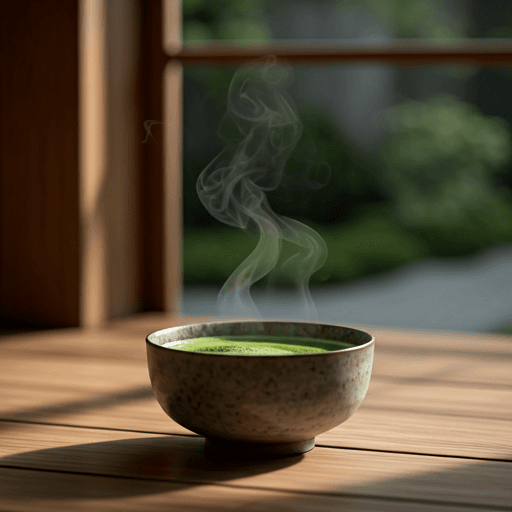
The benefits of green tea for women are, for the most part, the same benefits it offers anyone: green tea is a caffeine-light, antioxidant-rich everyday drink that many people enjoy as part of a wellness routine. It is not a special "women's tea." What makes the question worth answering is that several of green tea's gently studied associations map neatly onto topics women often ask about — skin, metabolism and weight, heart and bone health with age, hormones, and a calm, steady kind of energy. The honest headline up front: most of the evidence is associational rather than proof, the effects are usually modest, and a normal cup of tea is very different from a high-dose extract.
What the benefits of green tea for women actually are
Green tea comes from the leaves of Camellia sinensis — the same plant as black and oolong tea — but it is minimally oxidised, which preserves more of its natural antioxidants, especially a catechin called EGCG. Search interest in "green tea benefits for females" tends to cluster around a handful of themes, yet none of them describe a unique female biology of the drink. Women simply tend to ask more about skin, weight, hormones and healthy ageing, and green tea has plausible, lightly studied links to each. For the broad, everyone-applies picture, see our guide to green tea benefits. This page focuses on how those benefits show up in the questions women raise most, and where the honest limits are.
Green tea and skin
"Green tea for skin" is one of the most common searches, and the reasoning is sound even if the proof is modest. Green tea is rich in catechins, chiefly EGCG, which are antioxidants — compounds associated with helping to neutralise the free radicals that contribute to visible ageing, dullness and loss of elasticity. That is why green tea extracts turn up so often in cleansers, serums and eye creams. Drinking a cup is not a skincare treatment, and no tea will replace sun protection, but the antioxidant story is a real one. If you want the mechanism rather than the marketing, read green tea antioxidants, which explains what catechins and EGCG actually do.
Metabolism and weight management
Green tea is popularly linked with a modest boost to metabolism and fat oxidation, largely thanks to the combination of caffeine and catechins. It is important to keep expectations realistic: in studies the effects are small, they vary a lot from person to person, and green tea is best thought of as a low-calorie swap for sugary drinks rather than a weight-loss tool. Some research also suggests catechins may support blood-sugar regulation. For the full, hedged picture — including how much of the "fat-burning" claim actually holds up — see green tea for weight loss.
Heart and bone health as women age
Large observational studies have linked regular green-tea drinking with modestly lower rates of heart disease and stroke. This is an association, not proof, and it does not mean tea treats or prevents any condition. Catechins may help limit the oxidation of LDL cholesterol, though effects on cholesterol and blood pressure in trials tend to be small and mixed, and caffeine can briefly raise heart rate. Bone health draws interest too: some studies of tea drinkers suggest links to better bone density, which matters because bone loss tends to speed up around and after menopause. Treat these as gentle reasons to enjoy a healthy habit, not as a reason to skip screening or any medication your clinician recommends.
Green tea and hormones
The topic of "green tea and hormones" comes up most around PCOS, cycle changes and menopause. Early clinical trials in women with polycystic ovary syndrome have reported small improvements in measures such as weight, fasting insulin and free testosterone, and L-theanine — the calming amino acid in green tea — may help blunt the stress hormone cortisol. That is genuinely interesting, but the studies are small and short, many use concentrated extracts rather than a brewed cup, and there is little long-term safety data to lean on. Green tea is not a treatment for any hormonal condition. If you are managing PCOS, thyroid issues, fertility or menopause symptoms, treat tea as an ordinary, pleasant drink and take specific medical questions to a professional.
Calm, steady energy
One benefit women mention again and again is the quality of green tea's lift. A cup carries modest caffeine — very roughly 25 to 45 mg, well under a typical cup of coffee — alongside L-theanine, which is associated with a calmer, more focused kind of alertness and less of the jittery spike. For anyone who finds coffee too much, this "calm energy" combination is a real draw, and the ritual of brewing and sipping is itself a small daily reset. Timing can matter if caffeine affects your sleep, so a late-afternoon cup may linger longer than you expect for some people.
At a glance: green tea benefits for females
| Benefit area | What green tea is associated with | Honest note |
|---|---|---|
| Skin | Antioxidant catechins (EGCG) linked with protecting skin cells; common in skincare | A cup is not a treatment; sun protection still matters most |
| Metabolism & weight | Small, variable link to metabolism and fat oxidation; possible blood-sugar support | Effects are modest; best as a low-calorie drink swap |
| Heart | Observational link to lower heart-disease and stroke risk; possible LDL-oxidation effect | Association, not proof; not a medication replacement |
| Bones | Some studies link tea drinking with better bone density | Relevant with age; not a substitute for calcium, vitamin D or screening |
| Hormones | Early PCOS trials show small changes; L-theanine may ease cortisol | Preliminary, often extract-based; not a treatment |
| Energy & mood | Caffeine plus L-theanine for calmer, steadier alertness | Lower caffeine than coffee; mind timing for sleep |
Cautions every woman should know
Green tea is a low-risk drink for most healthy adults, but a few points deserve honest attention.
Pregnancy and breastfeeding
Green tea contains caffeine, so anyone who is pregnant, breastfeeding or trying to conceive is generally advised to keep total caffeine moderate — commonly cited as under about 200 mg a day across all sources, which usually still leaves room for one to two cups of green tea. Green tea's catechins and tannins may also modestly reduce the absorption of folate and iron, both especially important in pregnancy, so drinking it between meals and away from supplements is a sensible habit. This is general information rather than medical advice — confirm your own limits with your clinician, who can advise on caffeine during pregnancy for your situation.
Iron absorption
The tannins in green tea can bind to non-heme (plant) iron and reduce how much of it you absorb. For most people this is minor, but if you are prone to low iron — a common concern for menstruating and pregnant women — drink green tea between meals rather than alongside iron-rich food or iron tablets.
Extract supplements are not the same as a cup
Almost everything reassuring here applies to brewing and drinking green tea. High-dose green-tea extract supplements are a different matter: they concentrate catechins far beyond what a cup delivers and, in rare cases, have been linked with liver problems. If you are considering a supplement rather than the drink, treat it as you would any medication and speak to a healthcare professional first.
If your interest is teas positioned specifically around the female reproductive cycle, note that green tea is not really one of them — that role is usually claimed by herbal options such as raspberry leaf tea, which comes with its own separate cautions.
So, is green tea good for women?
For most healthy women, yes — as an enjoyable, hydrating, low-calorie daily drink with a favourable antioxidant profile and a gentle, focused caffeine lift. Just keep the framing right: the benefits are associations and possibilities rather than guarantees, the effects are usually small, and green tea supports a healthy lifestyle rather than fixing anything on its own. Enjoy it for the ritual first, and let any health perks be a welcome bonus.
The bottom line
Green tea earns its place in a woman's cup not because it is a "women's tea," but because it is a genuinely good everyday drink whose better-studied qualities happen to touch on skin, metabolism, heart, bones, hormones and calm energy. Drink it because you like it, keep expectations honest, mind the pregnancy, iron and extract cautions, and take specific health questions to a professional. Read bold claims — especially about "detox" or fat-melting — with healthy skepticism, and let the simple pleasure of a good cup be reason enough to keep it in your routine.