
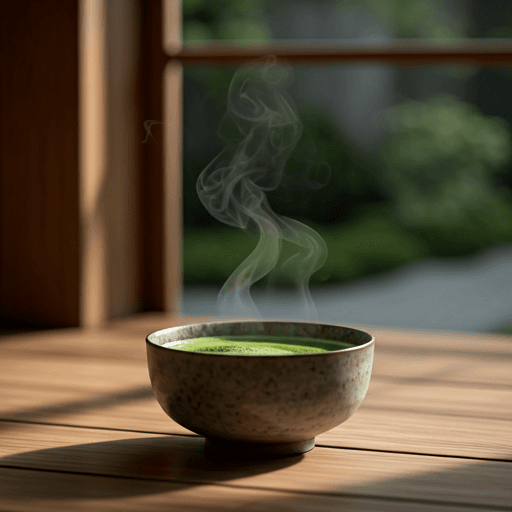
A warm mug of ginger tea for sore throat relief is one of the oldest and simplest comfort rituals there is. The warmth and steam soothe irritated tissue, ginger has a traditional reputation for warming, anti-inflammatory and mildly antimicrobial properties, and stirring in a little honey and lemon makes each sip even gentler on a scratchy throat. It will not cure an infection, but many people find a slow, warm cup genuinely comforting while a mild sore throat runs its course.
This guide explains why the drink feels good, how to make a soothing cup, and when a sore throat needs a doctor rather than a teapot. For the wider picture of ginger as a herbal tea, see our ginger tea benefits and how to make it guide.
Why ginger tea for sore throat works
Is ginger tea good for a sore throat? For everyday, mild soreness, most people would say yes, not because it kills the underlying cause, but because it hits several comfort levers at once. A hot drink adds warmth, moisture and a moment of rest, all of which ease a raw, scratchy throat. Ginger then layers its own traditional soothing reputation on top.
- Warmth and hydration. Warm liquid and steam moisten dry, irritated tissue and can help loosen mucus, which many people find instantly calming.
- Ginger's active compounds. Fresh ginger is rich in gingerols (and shogaols in dried ginger), the pungent compounds associated with anti-inflammatory and antioxidant effects in lab and early research. That is a big part of why ginger has such a long folk history for colds and coughs.
- A calming ritual. Sipping slowly, breathing the steam and slowing down all help you feel better while your body does the actual healing.
It is worth being honest about the evidence: much of it is traditional or comes from small studies, so the fair framing is that ginger tea may help you feel more comfortable, not that it treats or cures a throat infection.
Where honey and lemon come in
Ginger rarely travels alone for a sore throat. Honey is the real workhorse for throat comfort: it is thick and coats the throat as a demulcent, and it has the best support of the three ingredients for calming a cough. Lemon adds brightness, a dose of vitamin C and a little acidity that can help cut through mucus. Together they make the well-loved ginger honey lemon tea for sore throat that shows up in kitchens all over the world.
Ginger honey lemon tea for a sore throat, ingredient by ingredient
Here is what each part of the classic cup actually contributes. For the full step-by-step version of this drink, see our dedicated ginger lemon honey tea recipe.
| Ingredient | What it adds for a sore throat |
|---|---|
| Fresh ginger root | Warming and pungent; gingerols are associated with anti-inflammatory and antioxidant effects; the base of the drink |
| Honey | Thick and coating, so it soothes irritated tissue; the best-supported of the group for calming a cough. Not for infants under 1 year |
| Lemon or fresh lemon juice | Vitamin C and brightness; mild acidity that can help thin mucus |
| Hot (not boiling) water | Warmth, steam and hydration that soothe and help loosen mucus |
| Optional warming spices (cinnamon, clove, a small pinch of black pepper) | Extra warmth and flavor; go gently if you are prone to reflux |
How to make ginger tea for a sore throat
You need nothing fancy, just fresh ginger root, hot water and a few minutes.
- Prep the ginger. Peel and thinly slice or grate a 2.5 cm (1 inch) piece of fresh ginger. Use more for a stronger, spicier cup.
- Simmer or steep. Add the ginger to about 250 ml (8 oz) of water and simmer gently for 5 to 10 minutes, or steep grated ginger in just-off-the-boil water, covered, for the same time. Longer steeping means a stronger, spicier brew.
- Strain. Pour the tea through a small strainer into your mug so you are left with a clear, warm cup.
- Add lemon. Squeeze in fresh lemon juice to taste.
- Add honey once it has cooled slightly. Let the tea drop to a comfortable drinking temperature, then stir in honey. Very hot liquid is harsher on a sore throat, so warm-not-scalding is the goal.
- Sip slowly and warm. Breathe in the steam and take your time. Re-warm gently if it cools too far.
A cup or two spread through the day is plenty for most people. If you like a milder drink, use less ginger and steep for a shorter time; if you want more punch, add a few extra slices.
Fresh ginger or ginger tea bags?
Fresh ginger root gives the most vibrant, warming cup and lets you control the strength, which is why it is the classic choice for a sore throat. Ginger tea bags are more convenient and travel-friendly, and they still deliver comforting warmth and flavor, though they are usually milder than a strong fresh brew. Either works. If you use bags, you can still stir in honey and a squeeze of lemon for the same soothing effect. Some people also drop in a thin slice of fresh ginger alongside a tea bag for extra kick.
Ginger tea for a cold and for cough
The same mug does double duty during the sniffly season. Ginger tea for a cold is popular because the warmth and steam ease congestion while the drink keeps you hydrated, both of which matter more than any single "cold-fighting" ingredient. As a ginger tea for cough, the honey does much of the soothing work, coating the throat and calming that dry tickle. None of this shortens a cold, but it can make the days more bearable. For a broader menu of options, our roundup of the best teas for colds and sore throat compares ginger with other soothing choices, and chamomile tea for a sore throat is a gentler, caffeine-free alternative for the evening.
Cautions and when to see a doctor
Ginger tea is generally safe for most healthy adults in normal, tea-sized amounts, but a few notes matter.
- No honey for infants under 1 year. Honey can carry spores linked to infant botulism, so it should never be given to babies under 12 months. Skip the honey entirely for that age group.
- Reflux and heartburn. Strong or large amounts of ginger can worsen reflux for some people. If ginger tends to bother your stomach, keep the brew mild and the portion small.
- Medications and pregnancy. Ginger may interact with blood thinners and some medications, and if you are pregnant or managing a health condition it is worth checking with a professional before drinking a lot of it. Everyday culinary and tea-sized amounts are different from concentrated supplements.
Comfort measures like tea are meant for mild, short-lived soreness. See a doctor if your sore throat is severe, keeps getting worse, or lasts more than about a week, or if you have a high fever, a rash, badly swollen glands, or trouble swallowing or breathing. Those can signal strep or another infection that a warm drink will not fix.
A pot of ginger tea will not cure a sore throat, but it is a warm, honest and low-cost comfort while a mild one passes, and the ritual of making it can be almost as soothing as the drink itself. Keep the ginger fresh, add the honey once the tea has cooled a touch, sip slowly, and rest. When you are feeling better and simply want a good cup for its own sake, the wider world of soothing infusions is a fine place to keep exploring.