
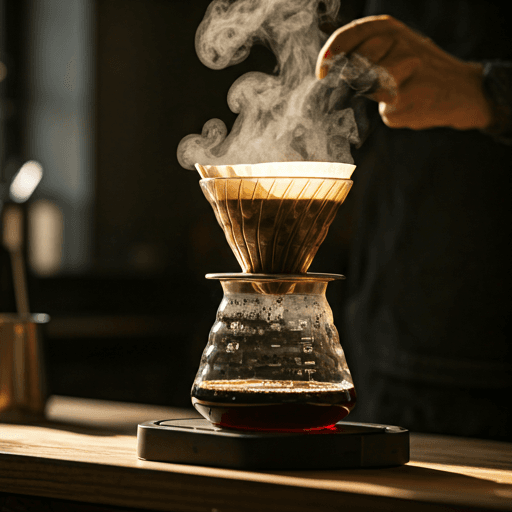
Set a flat white beside a macchiato and the whole difference comes down to one ingredient: milk. In the flat white vs macchiato comparison, a flat white is a small milk coffee — espresso poured under a thin, velvety layer of steamed microfoam, usually around 5 to 6 ounces. A traditional espresso macchiato is far smaller and bolder: a single shot "stained" with nothing more than a dollop of milk or foam, roughly 1.5 to 2 ounces. Both are espresso-forward and both are small, but one is a proper (if petite) milk drink and the other is essentially espresso with a whisper of milk.
If you want a little creaminess wrapped around your coffee, reach for a flat white. If you want the espresso to lead with just a softening splash on top, order a macchiato. Everything below unpacks why, so you can pick with confidence next time you are at the counter.
Flat white vs macchiato: the short answer
The quickest way to keep them straight is by milk volume and cup size. A flat white surrounds a shot of espresso with a modest amount of steamed milk and a thin microfoam, landing somewhere around 150–180 ml. An espresso macchiato keeps almost all of the espresso intensity and adds only a teaspoon or two of milk or foam on top, staying closer to 45–60 ml. More milk and a bigger cup make a smoother, mellower drink; almost no milk in a tiny cup makes a sharper, more concentrated one. Sizes and exact recipes vary by café and barista, so treat these as typical ranges rather than fixed rules.
What a flat white is
A flat white is espresso topped with steamed milk and a thin, glossy layer of microfoam, served small so the coffee stays firmly in charge. It originated in the café scenes of Australia and New Zealand and has since travelled the world. The defining texture is that microfoam — milk steamed until it turns silky and paint-like rather than airy and bubbly — which folds smoothly into the espresso instead of sitting on top as a fluffy cap. For the full origin story and how it stacks up against milkier cousins, see our guide to what a flat white is.
Because the milk is modest and the foam is thin, a flat white tastes noticeably of coffee while still feeling creamy and rounded. It is often described as a smaller, stronger-tasting relative of the latte: less milk, less foam, more espresso presence per sip. Baristas frequently pour latte art on top, which is possible precisely because the microfoam is so fine and integrated.
What a macchiato is
The word macchiato means "stained" or "spotted" in Italian, and that name tells you exactly what the drink is: a shot of espresso marked with a small dollop of milk or foam. A traditional espresso macchiato is tiny — mostly espresso, with just a teaspoon or two of milk to take the hardest edge off the crema. It is bold, short and intended to be espresso first. Our explainer on what a macchiato is covers the variations in more detail.
One important caveat: the café-style "latte macchiato" or a flavoured "caramel macchiato" is a completely different, much milkier drink built mostly from steamed milk with espresso and syrup added. When people compare a flat white to a macchiato, the fair comparison is with the small, traditional espresso macchiato — not the large, sweet coffeehouse version. We touch on that naming muddle further down.
The key difference: milk volume and size
Strip everything else away and the flat white vs macchiato distinction is about how much milk goes into the cup. A flat white is a genuine milk drink — espresso plus a real, if modest, pour of steamed milk and microfoam. An espresso macchiato is espresso with a splash: the milk is a garnish, not the body of the drink. That single choice cascades into everything else, from size to strength to mouthfeel.
It helps to picture a spectrum of milk. On one end sits a plain espresso with no milk at all; a macchiato is the next step, adding just a dab. A flat white sits further along with a proper measure of milk, and a cappuccino or latte would sit further still with even more milk and foam. Seen that way, the macchiato and flat white are neighbours on the low-milk end — the macchiato simply stops much sooner.
Flat white vs macchiato: side-by-side comparison
| Attribute | Flat white | Macchiato (espresso) |
|---|---|---|
| Origin | Australia / New Zealand | Italy |
| Base | Espresso (usually 1–2 shots) | Espresso (usually 1–2 shots) |
| Milk | Modest steamed milk + thin microfoam | Just a dollop of milk or foam |
| Typical size | ~5–6 oz (150–180 ml) | ~1.5–2 oz (45–60 ml) |
| Foam | Thin, silky microfoam | Small spot of foam |
| Texture | Smooth, creamy, integrated | Concentrated, espresso-forward |
| Flavour | Coffee-forward but mellowed by milk | Bold, intense, mostly espresso |
| Perceived strength | Espresso-forward but softer | Tastes stronger and sharper |
| Good for | Espresso with a little creaminess | Espresso with just a whisper of milk |
Numbers are typical ranges; individual cafés pull different shot counts and pour to different sizes, so your local version may vary.
Taste and strength: is a macchiato stronger than a flat white?
In terms of how it tastes, yes — a macchiato is the stronger-tasting drink. With only a dab of milk, the espresso's bitterness, body and roast character come through almost undiluted, so a macchiato hits sharp and intense. A flat white keeps the espresso up front too, but the extra steamed milk rounds off the edges, adds sweetness from the warmed lactose and gives a fuller, creamier body. Side by side, the macchiato reads as bolder and the flat white as smoother.
Caffeine, though, is a separate question from perceived strength. Both drinks are built on espresso, so if a flat white and a macchiato use the same number of shots, they carry broadly similar caffeine — the flat white just delivers it in a larger, milkier cup. A drink can taste stronger simply because it is less diluted, without actually containing more caffeine. Because shot counts differ from place to place, treat any caffeine comparison as approximate.
Foam and texture
Texture is where the two drinks feel most different in the mouth. A flat white's signature is that thin sheet of microfoam — milk steamed to a silky, wet-paint consistency that blends into the espresso and coats the tongue. The result is smooth and almost velvety, with just enough foam for latte art but never a thick, dry cap.
A macchiato has only a small spot of milk or foam, so there is no real creamy layer to speak of. What you get is the dense texture of espresso itself — thick crema, concentrated liquid — softened just slightly where the milk marks it. One drink is about a silky, integrated mouthfeel; the other is about the intensity of near-neat espresso with a gentle touch of milk.
The naming confusion: espresso macchiato vs latte macchiato
Much of the confusion around macchiatos comes from the word being used for two very different drinks. The traditional espresso macchiato is espresso stained with a little milk — small and strong, the version we have been comparing. A latte macchiato flips the ratio: it is mostly steamed milk "stained" with a shot of espresso poured through it, making it far larger and milkier. Sweetened café versions like the caramel macchiato build on that milkier template with syrup and are closer to a flavoured latte than to anything small and espresso-forward.
So when you weigh up a flat white against a macchiato, be clear about which macchiato you mean. Against the espresso macchiato, the flat white is the milkier, larger, smoother option. Against a latte-style or caramel macchiato, the flat white would actually be the smaller, more coffee-forward drink. For clean like-for-like contrasts with a third small classic, our comparisons of flat white vs cortado and macchiato vs cortado are useful reference points.
Which should you choose?
Choose a flat white when you want the flavour of espresso but with a soft, creamy body and a cup you can sip for a few minutes. It is the natural pick if you like lattes and cappuccinos but find them too milky or too foamy — a flat white keeps the coffee louder while still feeling smooth. Choose a macchiato when you want espresso to be the whole point and only want the tiniest bit of milk to gentle the crema. It is quick, punchy and best drunk fresh in a couple of sips.
If you are deciding between a flat white or macchiato and you are not sure, ask yourself one question: do you want a milk drink that tastes of coffee, or a coffee with a splash of milk? The answer points you straight at the right cup. Neither is stronger in caffeine by default — the difference you will actually taste is milk, texture and size, and that is entirely a matter of the mood you are in.