
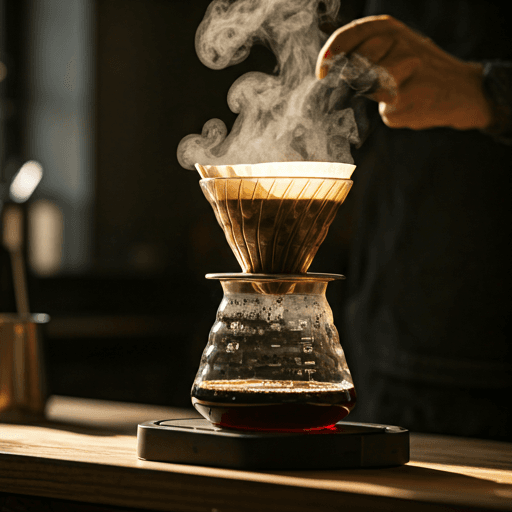
Does coffee cause anxiety? Not on its own. Coffee does not create an anxiety disorder out of nothing, and most people drink it happily every day. But caffeine is a stimulant, and in larger amounts — or in people who are naturally sensitive or already prone to anxiety — it can trigger or worsen anxiety-like feelings such as a racing heart, jitters and a restless mind. So the honest answer to "can coffee cause anxiety" is that coffee is rarely the root cause, yet it can turn the volume up on symptoms you already have.
This guide keeps things light and general. It walks through why caffeine and anxiety overlap, why the same cup hits some people much harder than others, and gentle ways to cut back if coffee makes you anxious. Responses vary a lot from person to person, and none of this is medical advice — if anxiety is affecting your life, talk to your own healthcare provider.
How caffeine can mimic and amplify anxiety
Part of the reason people say "coffee makes me anxious" is that caffeine and anxiety produce some of the same physical sensations. Caffeine is a mild stimulant that works mainly by blocking adenosine, the molecule that builds up through the day and makes you feel sleepy. With adenosine blocked, you feel more alert — but research suggests caffeine also nudges the body toward a mild "fight or flight" response, gently raising adrenaline, heart rate and alertness. For the deeper mechanics of the molecule itself, see our explainer on what caffeine is and how it works.
The trouble is that a faster heartbeat, quicker breathing and a buzzing, restless feeling are exactly what anxiety feels like too. Your body cannot always tell the difference between "I just had a strong coffee" and "I am worried about something." When those signals arrive, an anxious mind may look for a reason to explain them — and that loop can make a jittery cup feel like a wave of anxiety. This is why the question of whether coffee causes anxiety is really about amplification, not creation.
| What you feel | Why caffeine can do it |
|---|---|
| Racing or pounding heart | Caffeine can raise heart rate and, in larger doses, cause palpitations that mimic a panic response. |
| Jitters and shaky hands | The stimulant effect can leave muscles feeling wired and trembly, especially on an empty stomach. |
| Restlessness and "on edge" feeling | Blocked adenosine plus a small adrenaline nudge keeps the nervous system revved up. |
| Racing thoughts | Heightened alertness can tip from focus into a mind that will not settle. |
| Faster, shallow breathing | A mild fight-or-flight signal can subtly change breathing, which anxious people often notice. |
| Unsettled stomach or urgency | Coffee stimulates the gut, and a churning stomach can feed a sense of unease. |
None of these mean something is wrong. They are ordinary stimulant effects — but if you are already anxious, they can feel like fuel on a fire.
Dose and sensitivity: why the same cup hits people differently
The amount matters. A single small cup is a very different thing from four large ones in a morning, and does caffeine make anxiety worse tends to become a "yes" as the dose climbs. But dose is only half the story — sensitivity is the other half, and it varies enormously.
Genetics and metabolism play a big role. Some people carry gene variants that make them "fast" caffeine metabolisers, clearing it quickly with little jitter; others are "slow" metabolisers who feel one coffee for hours and are far more likely to notice a racing heart or unease. Body size, hormones, whether you have eaten, how much sleep you got, and how used to caffeine you are all shift the response. Two people can drink the identical latte and have completely different afternoons. We keep specific daily numbers in a separate guide on how much caffeine per day is reasonable, because a comfortable amount for one person is plainly too much for another.
Tolerance also builds. Regular drinkers often feel less jittery than someone returning after a break, which is why a holiday coffee on an empty stomach can hit surprisingly hard. If you have wondered whether coffee is worth it at all given the trade-offs, our overview of whether coffee is good for you weighs the wider picture.
The caffeine, sleep and anxiety loop
One of the sneakiest links between coffee and anxiety runs through sleep. Caffeine has a long half-life — often in the region of five to six hours, though this varies by person — which means an afternoon cup can still be partly in your system at bedtime. Even when you fall asleep, late caffeine can lighten and shorten your rest.
Poor sleep is one of the most reliable triggers for next-day anxiety. So the loop looks like this: a late coffee thins your sleep, you wake up frayed and on edge, you reach for more coffee to cope, and that evening cup thins your sleep again. Many people find that the coffee itself was never really the problem — the timing was. Pulling your last caffeine earlier in the day is often the single most effective change.
Who should be extra cautious
Coffee is fine for most people, but a few groups tend to feel caffeine and anxiety more sharply:
- People prone to anxiety or panic. If you live with an anxiety condition or get panic attacks, caffeine's physical effects can resemble — and sometimes tip into — the symptoms you are trying to avoid.
- Sensitive or slow metabolisers. If one cup keeps you wired for hours, your body is telling you something useful.
- People who are sleeping badly. When rest is already short, extra stimulation has less cushion to land on.
- Anyone combining stimulants. Energy drinks, pre-workout, certain medications and coffee can stack in ways that magnify the jitters.
Pregnancy, certain heart conditions and some medications also change how caffeine should be approached. Those are conversations for a healthcare provider rather than a general guide, so please raise them with yours.
How to cut back gently if coffee makes you anxious
If you suspect coffee is winding you up, you rarely need to quit outright. A gentler approach usually works better and avoids a rough couple of days:
- Taper, do not quit cold. Stopping abruptly can bring withdrawal headaches, fatigue and, ironically, more irritability. Ease down over a week or two instead.
- Shrink the cup. A smaller serving, or one fewer refill, often takes the edge off without losing the ritual.
- Move it earlier. Try making your last coffee a morning or early-afternoon thing so it is well clear of bedtime.
- Switch some cups to tea or decaf. Tea delivers less caffeine per cup, and good decaf lets you keep the warm, familiar ritual with far less stimulation.
- Consider the tea trade-off. Many people find tea feels steadier than coffee, partly thanks to an amino acid it contains; our piece on caffeine and L-theanine explains that calmer, more even kind of alertness.
- Eat and hydrate. Caffeine on an empty stomach hits harder and faster. A little food and water smooth the curve.
- Watch hidden caffeine. Chocolate, cola, energy drinks and some painkillers add up alongside your coffee.
Give any change a week or two before judging it. Because sensitivity varies so much, the goal is not a universal rule but the amount and timing that leave you feeling alert rather than wired.
When to talk to a doctor
Cutting back on coffee is a reasonable first experiment, but it is not a treatment for anxiety. Speak with a healthcare professional if anxiety is frequent or interfering with your daily life, if you have panic attacks, if you notice a persistently racing or irregular heartbeat, or if worry and restlessness continue even after you have reduced or removed caffeine. A doctor can look at the whole picture — sleep, stress, health conditions and medications — in a way no article can. This is general information, responses vary from person to person, and it is not medical advice.
The bottom line: does coffee cause anxiety?
So, does coffee cause anxiety? Not by itself — but it can absolutely turn up the dial on symptoms in people who are sensitive, over-caffeinated, under-slept or already anxious. Caffeine and anxiety share a physical language of racing hearts and restless nerves, which is why a strong cup can feel indistinguishable from a wave of worry. The practical takeaway is refreshingly ordinary: notice how coffee actually makes you feel, respect your own sensitivity, keep it earlier and smaller if it winds you up, and let a professional weigh in if anxiety runs deeper than a cup. For most people, mindful coffee and a calm mind can happily coexist.