
In the far west of Honduras, where the mountains buckle toward the Guatemalan border and the Copán River runs past one of the most celebrated Maya archaeological sites in the Americas, coffee grows on thousands of small hillside farms. This is Copán — a highland origin that has become one of the calling cards of Honduran specialty coffee. It is a region defined as much by its neighbours as by itself: the ancient stone stelae of Copán Ruinas draw travelers from around the world, while the coffee mountains of neighbouring Guatemala rise just over the frontier. Between them, on cool slopes wrapped in morning cloud, Copán's smallholders produce a cup that is sweet, rounded, and easy to love — the kind of coffee that has helped push Honduras from an overlooked name into one of the world's largest producing countries.
Where Copán Sits
Copán is the westernmost of the recognized coffee zones in Honduras, a mountainous pocket that spills across the departments of Copán and Ocotepeque and reaches into part of Santa Bárbara. The regional hub is Santa Rosa de Copán, a colonial town that has long been a trading center for tobacco and coffee, while the smaller town of Copán Ruinas anchors the archaeological end of the region near the border.
Geographically, this is where the Honduran highlands meet the Guatemalan ones. The same chain of mountains that produces the fruit-forward, bright coffees of Guatemala simply continues eastward across the line, so it is no surprise that Copán shares some of that Central American highland character. What sets it apart is scale and structure: where much of Guatemala's fame rests on named estates, Copán is overwhelmingly a landscape of tiny family farms feeding cooperative wet mills.
Highland Terroir
The word that matters most in Copán is highland. Farms here generally sit between roughly 1,000 and 1,500 meters above sea level, with the best specialty lots clustered toward the top of that band. Altitude is the engine of quality in Arabica coffee: cooler air slows the ripening of the cherry, which lets sugars and acids develop more fully and produces a denser, more flavourful bean.
Copán is often described as one of the cooler growing regions in Honduras, with some of the widest day-to-night temperature swings in the country. Warm daytime sun gives way to cold mountain nights, and that contrast stresses the coffee tree in a productive way, concentrating sweetness in the fruit. Combine that with fertile soils, generous rainfall, and the shade of taller trees on many farms, and you have a terroir that reliably yields balanced, sweet coffee rather than anything sharp or aggressive.
A Protected Origin
Honduras organizes its coffee into six broad growing regions, each with its own recognized profile — Copán, Montecillos, Opalaca, Agalta, Comayagua, and El Paraíso. These are not marketing inventions; they map onto genuine differences in altitude, climate, and cup, and several are tied to geographical-indication protection that links a name to a place, much as Champagne or Roquefort do in Europe.
Copán belongs to the western group of these origins. Its neighbour to the south, the Montecillos region, is home to Honduras's most famous protected name, Marcala, which holds the country's first formal denomination of origin — earned in 2005 and the first of its kind in all of Central America. Copán sits in the same tradition of place-based quality, and while its coffees are often blended and sold under regional or cooperative names rather than a single celebrated appellation, buyers increasingly seek out the Copán name for its dependable, crowd-pleasing character.
What Copán Coffee Tastes Like
If Kenyan or Ethiopian coffees are prized for their loud, wine-like intensity, Copán belongs to a gentler school. The classic Copán profile is balanced and sweet, built around chocolate and caramel with a soft, creamy body and just enough fruit and citrus to keep it lively. Acidity tends to be mild and rounded rather than piercing, which makes these coffees approachable across a wide range of brewing methods and roast levels.
This is coffee that flatters milk and forgives a slightly darker roast, yet still rewards a careful filter brew with clean sweetness. The table below sketches the character most tasters find in a well-prepared Copán lot, though individual farms and processing choices shift the details.
| Attribute | Typical Copán character |
|---|---|
| Body | Medium to full, smooth and creamy |
| Acidity | Mild, rounded, often citrus-leaning |
| Sweetness | Pronounced — caramel, brown sugar |
| Common notes | Milk chocolate, caramel, gentle citrus and stone fruit |
| Overall impression | Balanced, easy-drinking, dessert-like |
Because the cup is so balanced, Copán coffees are versatile workhorses. They anchor plenty of everyday espresso blends, but a clean, high-grown lot brewed as pour-over can show a surprising amount of nuance for a coffee so gentle.
The Varieties in the Cup
Copán, like most of Honduras, leans on a familiar set of Central American Arabica varieties rather than exotic rarities. The three you will meet most often are Catuai, Bourbon, and Caturra — all part of the wider Bourbon-Typica family that shaped coffee across the region.
The Catuai variety is especially prominent here. A compact, high-yielding cultivar bred in Brazil from a cross of Caturra and Mundo Novo, Catuai suits smallholders because it is productive and stands up reasonably well to wind and weather on exposed hillsides, and in Copán it delivers that signature sweet, chocolate-forward cup. Older plantings of Bourbon add depth and classic sweetness, while Caturra, a naturally dwarfed Bourbon mutation, offers clean, bright quality and is easy to harvest on steep terrain. Many farms also grow rust-resistant hybrids to cope with disease pressure, a practical necessity in a warming, damp climate.
| Variety | Why it grows in Copán | Cup contribution |
|---|---|---|
| Catuai | High yield, hardy, compact | Sweet, chocolatey, dependable body |
| Bourbon | Traditional, quality-focused | Rounded sweetness and complexity |
| Caturra | Dwarf plant, easy to pick on slopes | Clean cup, gentle brightness |
Smallholders and the Washed-Process Backbone
Copán is a smallholder story. Across Honduras, the overwhelming majority of coffee producers are small-scale farmers, many working fewer than a couple of hectares and relying on family labour to pick the cherries by hand. Copán is no exception: the mountains are quilted with tiny plots, and much of the region's coffee moves through cooperatives and larger wet mills that gather cherry from surrounding communities.
Processing here is dominated by the washed, or fully wet, method that defines most Honduran coffee. Ripe cherries are pulped, fermented to loosen the sticky mucilage, washed clean, and then dried — traditionally on patios or raised beds. The washed process is prized because it produces a clean, transparent cup that lets the underlying sweetness and acidity show through, which suits Copán's balanced style perfectly. A growing number of producers now experiment with natural and honey processing to add fruit and body, but washed remains the backbone.
Drying can be a challenge in this humid corner of the country, and historically some Honduran coffee suffered from moisture and storage problems that dulled its reputation. Investment in better wet mills, raised drying beds, and cooperative infrastructure over the past decade has done a great deal to raise and stabilize quality from regions like Copán.
Honduras's Climb to the Top Ranks
Copán's rise is inseparable from Honduras's larger coffee story. Within a single generation, Honduras grew into Central America's largest coffee producer and one of the biggest exporters in the world, in recent years often ranked among the top handful of producing nations globally. Coffee is a cornerstone of the rural economy, supporting hundreds of thousands of families, most of them smallholders like those farming the slopes of Copán.
That growth was not only about volume. Institutions such as the national coffee body helped map the growing regions, promote geographical indications, and push quality upward, while the country's Cup of Excellence competitions gave world-class Honduran lots a global stage. Copán, with its highland altitude and sweet, dependable profile, has been a natural beneficiary of that shift from bulk commodity toward recognized, traceable origin coffee.
Copán and Its Guatemalan Neighbour
It is worth dwelling on the border, because Copán makes most sense in the company of Guatemala. The two share a mountain range, a climate, and much of the same varietal DNA, yet they have earned different reputations. Guatemalan highland coffees — think Antigua or Huehuetenango — are often celebrated for pronounced acidity, complexity, and a certain structured intensity. Copán, sitting on the Honduran side of the same terrain, tends to read as softer, sweeter, and rounder: less about brightness, more about comfort.
Neither is better; they are cousins with different temperaments. For a drinker who finds some Guatemalan cups too lively, a Copán coffee can be the ideal middle ground — highland-grown and clean, but gentle and chocolate-sweet. And for anyone building a mental map of Central American origins, tasting a Copán and a Guatemalan side by side is one of the clearest ways to feel how a single border, and a slightly different growing culture, can nudge a coffee's character.
Choosing and Brewing Copán
When you look for Copán, a few labels help. Honduras grades its coffee largely by altitude, so terms like SHG (Strictly High Grown, for the highest-elevation lots) signal the denser, more flavourful beans that Copán's mountains produce. A bag naming the region, a cooperative, or a specific municipality alongside the varieties is a good sign of traceability.
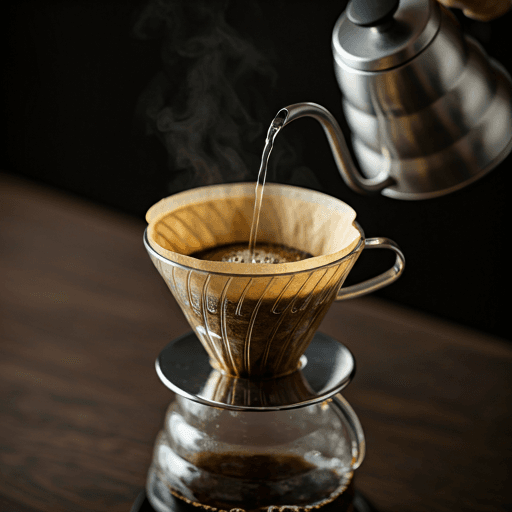
Because Copán is naturally sweet and balanced, it is forgiving to brew. A medium roast highlights its caramel and chocolate; a filter method such as pour-over or a well-dialed drip brings out its clean sweetness and hint of citrus, while it also makes a smooth, comforting espresso base. Keep the water just off the boil, use a burr grinder, and let the cup's own gentle character do the work — Copán rarely needs coaxing to taste good.