
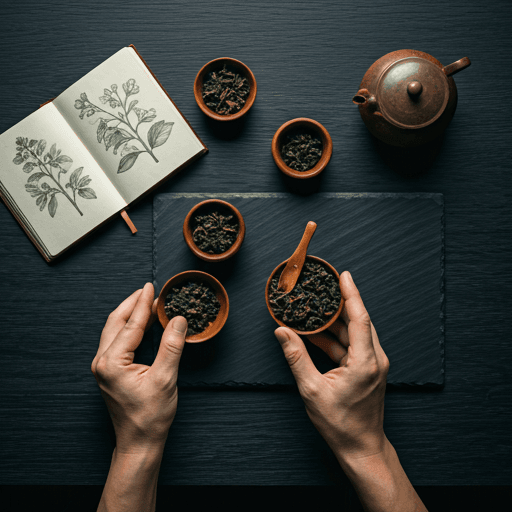
Cooking with chai tea means borrowing the warm masala spices and the gentle tannin of black tea to flavor food and drinks. Chai's spice blend — cardamom, cinnamon, ginger, clove, black pepper and often star anise — is built for warmth, and that same lineup turns cookies, custards, oatmeal and syrups into something cozy and aromatic. This is a practical set of techniques and ideas, not a single recipe: once you know how to get chai flavor into a dish, the possibilities open up fast.
For the drink itself, see what a chai latte is; for the from-scratch brew, see how to make masala chai at home. Here the focus is chai as an ingredient.
Why chai is such a good cooking flavor
Chai works in the kitchen because its spices are already a balanced team. Cinnamon brings sweet warmth, cardamom adds a floral lift, ginger gives heat and brightness, cloves go deep and resinous, and black pepper adds a quiet bite that wakes everything up. Star anise, when it is included, lends a licorice-like roundness. These are the same spices that carry pumpkin pie, gingerbread and mulled wine, so they slot naturally into baking and desserts.
The black tea base matters too. Brewed into a dish, tea adds a faint tannic edge and a malty depth that a plain spice mix lacks — and, because it is real tea, it carries a little caffeine. That tannin keeps sweet recipes from tasting flat. For more on what the cup brings, our guide to chai tea benefits breaks the spices down one by one.
Three ways to get chai flavor into a dish
Before the recipes, the methods. There are three reliable ways to add chai to almost anything, and most chai tea recipes lean on one of them.
1. Infuse it into a liquid
The classic move. Gently warm milk, cream, water or a sugar syrup, drop in chai tea bags or loose tea with whole spices, and let it steep off the heat for 5 to 15 minutes, then strain. A short simmer coaxes more out of whole spices; steeping off the boil keeps the tea from turning bitter. Use this for custards, ice cream bases, French toast soaks, oatmeal and poaching liquids. Steeping in dairy gives a rounder, mellower flavor; steeping in water keeps it sharper.
2. Stir in a dry chai spice blend
For baking, the easiest route is a ground masala mixed straight into the dry ingredients — no straining, no liquid. A basic blend is cinnamon, ginger, cardamom, clove and a little black pepper, with nutmeg or star anise optional. Make a jar of it and you can spoon chai warmth into cookie dough, muffin batter, pancake mix or a streusel in seconds. Our chai masala spice blend recipe gives proportions you can scale.
3. Use a strong brewed concentrate
A double-strength chai concentrate — tea and spices brewed dark and steeped hard — is a liquid flavor bomb you can keep in the fridge. Swap it in for some of the milk or water in pancakes, French toast custard, glazes and frostings. It carries both the tea and the spice in one pour, which makes it the most convenient option for wet recipes.
One dosing rule above all: start light. Chai spices, especially clove and pepper, build and bloom as they cook and sit. It is easy to add more spice to a batter; it is impossible to take it back out. Taste as you go, and remember that a dish often reads spicier the next day.
Cooking with chai tea in baking
Baking is where chai shines, because warm spices and sweet doughs were made for each other. A few directions to try:
- Cookies and shortbread: Stir a tablespoon or two of chai spice blend into the dry mix. Snickerdoodles, sugar cookies and shortbread all take to it beautifully.
- Quick breads and muffins: Chai-spiced banana bread, pumpkin muffins and apple cake are natural fits. Add the blend to the flour, or steep tea bags in the melted butter or warmed milk first, then strain.
- Cakes and frostings: A chai spice cake with a brewed-concentrate buttercream is a crowd-pleaser. Infuse the milk for the cake and use concentrate in the frosting.
- Streusel and glaze: Fold the spice blend into a crumb topping, or whisk concentrate into a simple powdered-sugar glaze for a spiced drizzle.
To infuse butter or milk for a recipe, warm it gently, steep two or three chai tea bags (or a spoon of loose tea plus whole spices) for about 10 minutes, squeeze and remove them, then top back up to the original volume if it has reduced.
Chai tea recipes for drinks
Beyond the standard latte, chai mixes easily into other cups. A "dirty chai" adds a shot of espresso to a chai latte for tea-and-coffee in one glass. Iced chai is a strong brew cooled and poured over ice and cold milk. A batch of concentrate makes any of these a two-minute pour. Because these are real recipes with chai tea and black tea at the base, they carry caffeine; a dirty chai carries more, thanks to the espresso.
Sweet ideas beyond baking
Chai-infused dairy turns everyday desserts into something special:
- Custard and creme brulee: Steep chai into the cream before tempering the egg yolks for a spiced custard or pots de creme.
- Ice cream: Infuse the milk-and-cream base with chai, strain, then churn. The spice survives freezing well.
- Oatmeal and rice pudding: Cook the grains in chai-infused milk, or stir a spoon of blend into the pot, for a warming breakfast.
- French toast and pancakes: Whisk chai concentrate, or steeped and strained milk, into the custard or batter.
- Chai syrup: Simmer equal parts sugar and water with tea and spices, then strain, and keep it to sweeten coffee, drizzle over ice cream, or round out a cocktail.
Savory uses and extras
Chai is not only for sweets. The same spice family works in a handful of savory and snack roles:
- Chai spice rub: Mix the ground blend with salt and a little sugar for a rub on roast carrots, sweet potato, chicken or pork — the warm spices echo a garam-masala direction.
- Chai-poached fruit: Poach pears, apples or dried fruit in a chai syrup or strong brewed chai until tender and fragrant.
- Chai-spiced nuts: Toss almonds or pecans with a little maple syrup, the spice blend and a pinch of salt, then toast until glazed.
- Granola and energy bites: Stir the blend into the mix before baking, or into a no-bake date-and-oat base.
Quick reference: how to add chai to anything
| Dish or use | How to add chai | Flavor result |
|---|---|---|
| Cookies, muffins, cake | Stir dry spice blend into the flour | Even, all-over warm spice |
| Custard, ice cream, pots de creme | Steep tea and spices in the warm cream, then strain | Deep, infused, mellow spice with tea depth |
| French toast, pancakes | Whisk in brewed concentrate or steeped milk | Spiced soak that browns into the surface |
| Oatmeal, rice pudding | Cook the grains in chai-infused milk | Comforting, gently spiced breakfast |
| Syrup, glaze, frosting | Brew a concentrate or simmer a chai syrup | Concentrated sweet-spice you can drizzle |
| Roast veg, chicken, nuts | Use the dry blend as a rub or glaze | Warm, aromatic, lightly savory |
| Poached fruit | Simmer fruit in chai syrup or a strong brew | Fragrant, spice-soaked fruit |
A note on caffeine
Anything you make with real chai or black tea carries a little caffeine, since chai is built on the Camellia sinensis tea plant. It is modest — a baked good made with a couple of tea bags spreads that caffeine across many servings — but it is not zero. To cook chai flavor with no caffeine at all, reach for a rooibos-based chai or a purely herbal spice blend: rooibos is naturally caffeine-free, and a dry masala made only of spices (no tea) adds flavor with none. Either swaps in cleanly for the recipes above.
Start light and let the spice lead
The whole craft of cooking with chai tea comes down to one habit: add the spice in small amounts, taste, and build. Whether you stir a blend into cookie dough, steep tea into cream for ice cream, or keep a jar of concentrate on hand for fast recipes with chai tea, the warm masala does the heavy lifting. Make a batch of the spice blend first, then work through the table above one dish at a time — and when you want the drink that started it all, brew a proper masala chai from scratch.