
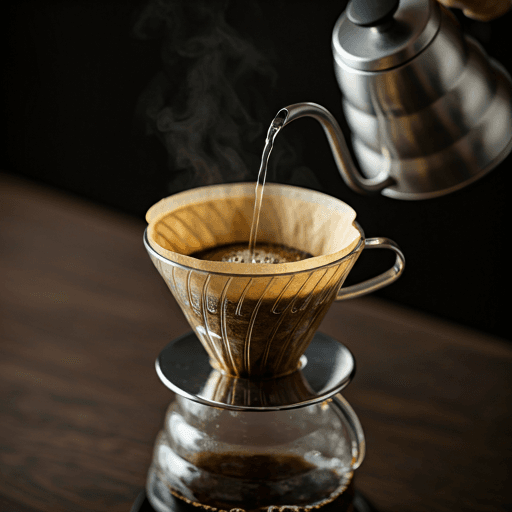
Thai coffee usually means a strong, dark, sweet iced coffee — most classically oliang (Thai iced black coffee) and the creamy version sweetened with condensed milk and finished with a float of evaporated milk over plenty of ice. It is built on a bold dark roast, brewed intensely, and almost always served cold and sweet. Below is what Thai coffee actually is, then a simple, hedged method for making Thai iced coffee at home.
What is Thai coffee?
"Thai coffee" is less a single recipe than a style: dark-roasted coffee brewed strong and served sweet over ice. It grew out of Thailand's street stalls and cafes, where a robust brew stands up to heat, sugar and rich milk without tasting thin. Two drinks anchor the category — the black, sugar-sweetened oliang, and the milky Thai iced coffee (sometimes simply labelled "Thai coffee" on menus abroad) that adds sweetened condensed and evaporated milk.
The roast matters. Traditional Thai coffee leans very dark, and street versions often use an oliang powder blend rather than pure coffee. That blend can include roasted corn, soybean or sesame alongside the coffee, which adds body, a toasty note and a hint of natural sweetness. Sugar is stirred in while the coffee is still hot so it dissolves fully, and the drink is chilled before it ever meets the ice. Because roasts, recipes and oliang-powder blends all vary, the caffeine in a glass is not fixed — a double-strength brew will hit harder than a powder-heavy street cup, so treat any strength claim as a rough guide.
Oliang, the black original
Oliang (also spelled "oleng") is the older, purer expression: black Thai iced coffee, no milk. It is traditionally brewed by pouring hot water through ground coffee — or oliang powder — held in a long cloth filter, a sock-shaped bag nicknamed the tung tom, which catches the grounds and lets a strong, dark liquid drip through. The result is heavily sweetened with sugar and poured over ice. Because it skips dairy, oliang tastes cleaner and more bittersweet than the creamy version, with the roasted-grain character of the powder coming through.
How to make Thai iced coffee
The creamy Thai iced coffee is the easiest style to recreate at home. You are aiming for a brew strong enough that sugar and milk cannot flatten it, then layering sweetness and richness over ice. Treat the amounts below as a starting point and adjust to taste — sweetness especially is personal.
A base ratio (per glass)
- About 1 cup (roughly 240 ml) of strong, dark brewed coffee — a moka pot, a long cloth-filter brew, or a double-strength drip all work
- 1–2 teaspoons sugar, stirred in while the coffee is hot
- 1–2 tablespoons sweetened condensed milk
- A splash (about 1–2 tablespoons) of evaporated milk or cream to float on top
- A tall glass packed with ice
- Brew it strong. Make your dark coffee at roughly double your usual strength so it survives dilution. If you have oliang powder, brew that instead for the most authentic flavour.
- Sweeten while hot. Stir the sugar into the hot coffee until it dissolves completely. Doing this now, rather than later, avoids a gritty glass.
- Chill it down. Let the sweetened coffee cool, then refrigerate it (or cool it fast over an ice bath) so the ice in the glass does not melt instantly and water it down.
- Build the glass. Fill a tall glass with ice. Stir the sweetened condensed milk into the cold coffee, or spoon it into the glass first and pour the coffee over.
- Float the milk. Gently pour the evaporated milk or a little cream over the top so it drifts down through the ice in ribbons. Stir before drinking, or leave it layered for the look.
For oliang, the black version, skip both milks entirely: brew strong, sweeten generously with sugar while hot, chill, and pour over ice. That is the whole recipe.
Variations worth trying
- Classic oliang: black, sugar only, no dairy — the most traditional Thai coffee recipe and the best showcase for those roasted-grain notes.
- Extra-creamy: increase the condensed milk and add a heavier float of evaporated milk or half-and-half for a dessert-like glass.
- Lightly spiced: a small pinch of ground cardamom, or a cracked pod steeped in the hot coffee, adds a warm, aromatic lift that suits the sweetness.
- Blended: pour the sweetened, milked coffee over ice into a blender for a frappe-style version — closer to a general iced treat than street oliang.
Oliang vs creamy Thai iced coffee
| Feature | Oliang (black) | Creamy Thai iced coffee |
|---|---|---|
| Milk | None | Sweetened condensed plus evaporated milk |
| Colour | Deep black-brown, translucent | Caramel to tan, opaque |
| Sweetness | Sweet from sugar alone | Very sweet — sugar plus condensed milk |
| Body | Clean, lighter, bittersweet | Rich, creamy, dessert-like |
How Thai coffee differs from Thai tea and Vietnamese coffee
Thai coffee is easy to confuse with two neighbours, but each is its own drink. Thai tea — the bright-orange cha yen — is made from black tea, often spiced and colour-added, not coffee, and leans sweeter and more perfumed; if that is what you are after, see how to make Thai tea at home. Vietnamese iced coffee shares the condensed-milk trick but is brewed shot by shot through a small metal phin filter, usually one glass at a time, which gives a more concentrated, less grain-inflected cup — compare it in our iced Vietnamese coffee guide. And if you simply want a cold, sweet caffeine fix without the regional specifics, our how to make cold coffee walkthrough covers the basics.
What makes Thai coffee memorable is contrast: a genuinely dark, bitter brew pulled into balance by sugar and, in the creamy version, a slick of condensed milk over crackling ice. Start with oliang to taste the roast honestly, then build up the milk and sweetness until the glass is yours. It travels well beyond any one street corner — a hot-weather ritual worth keeping in rotation.