
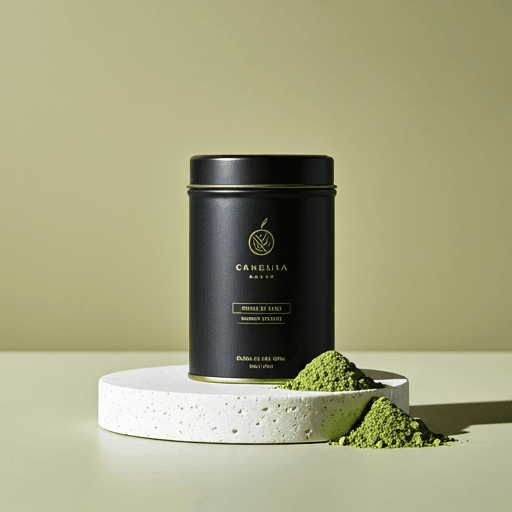
A tea caddy is an airtight container made to keep loose-leaf or bagged tea fresh, and choosing a good one comes down to a single rule: tea's worst enemies are air, light, heat, moisture and strong odours. The best tea caddy is therefore opaque, airtight, and kept somewhere cool and dry. This guide explains what a caddy is, why careful tea storage matters, how the common materials compare, and exactly what to look for before you fill one.
What is a tea caddy?
A tea caddy is simply a dedicated storage container for tea. It might hold loose leaves decanted from a foil pouch, paper tea bags, or individually wrapped sachets. The job of a caddy is preservation, not brewing — it protects the leaf between the moment the packet is opened and the moment you reach for a spoonful. (For getting that leaf into the cup, see our guide to brewing loose-leaf tea.)
Caddies come in every size and style, from a small single-tea tin to a lidded ceramic jar or a fitted wooden box with several compartments. What unites the good ones is a proper seal and an opaque body. What sets them apart is material, capacity and how easy they are to live with day to day — the things this buying guide focuses on.
Where the word "caddy" comes from
The name has a well-travelled history. Most sources trace "caddy" to catty (also spelled kati), a unit of weight used across the tea-trading ports of Southeast and East Asia, equal to roughly 600 grams. Tea was often sold and shipped by the catty, and the small containers that held about that amount picked up the name. Over time "catty" softened into the English "caddy" we now use for the container itself.
The lockable Georgian tea caddy
In Georgian-era Britain, tea was an expensive luxury, and the caddy reflected it. Fine wooden tea caddies from the 18th and early 19th centuries were often beautifully veneered boxes fitted with a lock and key. Some held two or three lidded canisters — one for black tea, one for green, and sometimes a central bowl for blending or for sugar. The lady of the house typically kept the key, a small detail that says a lot about how precious the leaf once was. Today's caddies are democratic and affordable, but the core idea is unchanged: give good tea a safe, sealed home.
Why tea storage matters
Tea looks robust, but it is delicate and chemically busy. Once a packet is opened, the leaf slowly loses the aromatic oils that carry its flavour, and a fresh, lively cup fades into something flat and papery. Knowing how to store tea well is the difference between a fragrant brew months later and a dull one within weeks. Five things work against you:
- Air: oxygen slowly oxidises the leaf and scatters its volatile aromatics. An airtight lid is the single most important feature of any caddy.
- Light: daylight and UV break down the compounds that give tea its colour and taste, which is why an opaque container beats a clear one.
- Heat: warmth speeds up staling, so a spot beside the kettle, oven or a sunny window is the wrong home.
- Moisture: tea is hygroscopic — it readily absorbs water. Damp leads to clumping, loss of aroma and, at worst, mould. Keep everything bone dry.
- Odours: that same thirst for moisture makes tea a sponge for smells. Store it away from spices, coffee and anything strongly scented, or a fragrant black tea will start to taste of last night's curry powder.
The takeaway is a short checklist: airtight, opaque, cool, dry, and isolated from strong smells. A caddy that ticks those boxes will keep almost any tea in good shape.
Tea caddy materials compared
The material of a tea tin or canister affects how well it blocks air and light, how it copes with humidity, and how long it lasts. Here is how the common choices stack up for freshness.
| Material | Freshness protection | Pros | Cons |
|---|---|---|---|
| Tinplate / metal | Excellent | Opaque, light, seals tightly — the classic tea tin | Can dent; may rust if stored damp |
| Stainless steel | Excellent | Durable, opaque, often gasket-sealed, resists rust | Plainer looks; more of a premium feel |
| Ceramic / porcelain | Good (with a seal) | Opaque, attractive, stable, easy to wipe clean | Lid may not be fully airtight; can chip |
| Wood | Fair | Traditional and handsome | Porous, can impart aroma, rarely airtight without a liner |
| Clear glass | Poor for light | Airtight if well sealed; the leaf is on display | Lets light in — must be kept in a dark cupboard |
| Plastic / acrylic | Fair | Cheap and light | Can hold odours and static; seals vary |
Tin and metal caddies
The tinplate tea tin is the classic for good reason. Metal is completely opaque, blocks air with a snug press-fit or screw lid, and weighs almost nothing. Many quality tins use a double-lid design — an inner lid that presses down airtight over the leaf and an outer decorative lid on top. The Japanese chazutsu canister is the elegant benchmark here. The only real cautions are dents from drops and the risk of rust if a tin is stored somewhere humid or put away wet.
Ceramic and porcelain caddies
Ceramic and porcelain caddies are opaque, pleasant to handle and hold a steady temperature, which is why they look at home on a shelf. The variable is the seal: some rely on a loose lid that lets air creep in. Look for a silicone gasket, a cork stopper, or a snug inner lid, and you get the good looks without sacrificing freshness.
Wooden caddies
Wood carries the most heritage — those Georgian boxes were wooden — but bare wood is a compromise for everyday storage. It is porous, can lend its own scent to delicate leaf, and is rarely airtight on its own. The best wooden caddies solve this with a sealed metal or ceramic inner canister, so the wood stays decorative while the liner does the preserving.
Glass jars and canisters
A clear glass canister is undeniably lovely — the leaf is visible and a good clamp or screw lid can be genuinely airtight. The catch is light. Glass does nothing to block it, so a jar on an open counter will fade the tea inside. If you love the look, keep glass jars inside a closed cupboard, or choose amber or opaque glass. Glass does have two points in its favour: it is easy to clean and it doesn't hold onto smells.
Features to look for in a tea caddy
Beyond material, a handful of practical features separate a caddy you'll enjoy from one that disappoints:
- A tight inner seal. This matters more than anything else. A gasketed lid, a press-fit inner lid or a good double-lid design keeps air out even after months of daily opening.
- An opaque body. If you can see the leaf through the wall, so can the light. Reserve see-through canisters for a dark cupboard.
- The right size. Match capacity to how fast you drink. A caddy that holds far more than you'll get through in a couple of months leaves the leaf sitting in a big pocket of air. It is better to buy a smaller caddy and refill it often than to keep a giant jar half empty.
- Single vs multi-compartment. A divided caddy or a set of matching tins is tidy for a variety of teas, but a shared lid can let strong blends scent milder ones — separate sealed containers are safest for anything aromatic like Earl Grey or a smoky tea.
- Easy to clean. A wide mouth and a smooth interior make it simple to empty crumbs and wipe out before a refill.
How to store tea and care for your caddy
Once you have the right container, a few simple habits keep both the tea and the caddy in good order:
- Pick a cool, dark, dry spot. A closed cupboard away from the oven, kettle, dishwasher steam, a sunny window, the spice rack and the coffee is ideal.
- Skip the fridge and freezer for everyday tea. Moving tea in and out invites condensation, and the leaf will pull in fridge smells. Sealed, cool and dry at room temperature suits most teas better.
- Don't wash a tin's interior with soap. Detergent leaves a scent the next batch will absorb, and water invites rust. Tip out the old leaf, wipe with a dry cloth and let it air before refilling.
- One tea per caddy where you can. Dedicating a caddy to a single tea avoids ghost flavours; if you must reuse one, air it out well between very different teas.
- Label and date. A small note of what's inside and when you opened it takes the guesswork out of freshness and helps you drink the oldest first.
- Keep bags sealed too. Bagged tea stales just like loose leaf — whether you keep tea bags or loose leaf, an airtight caddy protects both.
One clarification worth making: a caddy is not a tea cozy. A caddy stores the dry leaf; a cozy is the padded cover that slips over a brewing pot to keep already-made tea hot. They solve different problems, so many tea lovers own both. And when it's time to actually brew, the caddy hands off to your pot — our guide on how to choose a teapot covers that next step.
Matching a caddy to how you drink
There is no single "best" caddy, only the right fit for your habits. A daily black-tea drinker is well served by one generously sized, airtight metal tin. Someone with a rotating collection of loose-leaf greens, oolongs and herbals is better off with several small, sealed caddies — one per tea — so nothing cross-scents and each can be finished while it is fresh. Delicate green and white teas reward the tightest seal and the darkest storage, since they fade fastest. If you mostly drink tea bags, even a simple opaque canister with a good lid will keep them tasting the way the packet intended.
A tea caddy is a small, unglamorous piece of kit that quietly earns its place. Get the fundamentals right — airtight, opaque, cool, dry and kept clear of strong smells — and the material and styling become a matter of taste rather than function. Choose a caddy you like the look of, size it to how quickly you drink, keep it sealed and dated, and the tea you buy will taste its best right down to the last spoonful.