
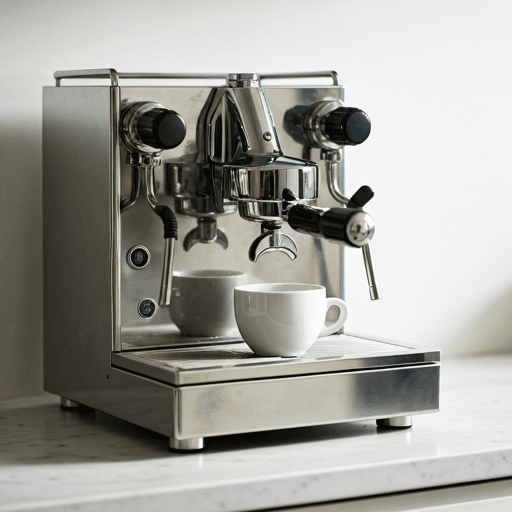
A portable coffee maker is any brewer built to travel — small, tough and often needing no mains power — so you can make a real cup on a trip, at a campsite, in the office or in the car. A good portable coffee machine trades the size and one-touch features of a countertop rig for packability, ruggedness and independence from an outlet, without giving up much in the actual cup. This guide walks through the main types, from hand-powered drippers to battery espresso, and what to weigh before you pack one.
What a portable coffee maker actually is
The label “portable coffee maker” covers a wide family of brewers, and the honest answer is that it is a spectrum rather than a single product. At one end sit tiny manual devices that weigh a few ounces and need nothing but hot water and your hands. At the other end are compact battery units and 12V car makers that plug into a socket and brew straight into a travel mug. What unites them is a design brief: be small enough to pack, sturdy enough to survive a bag or a boot, and either powered by muscle or by a source you can carry.
Because a portable coffee maker is optimized for the road, it usually brews one or two cups at a time rather than a full pot, and it favors simple, few-part construction that is quick to rinse when water is scarce. That focus is exactly why travelers, campers, commuters and van-lifers reach for one instead of squeezing a home machine into a suitcase.
The main types of portable coffee makers
Most travel brewers fall into four broad camps. Knowing which camp you want narrows the choice fast, because each answers a different question about power, cup style and how far off-grid you plan to go.
Manual single-cup makers
These are the lightest, cheapest and most reliable option because there is nothing to charge or plug in. The category includes the pressure-and-immersion AeroPress and its slimmer travel sibling the AeroPress Go, collapsible silicone pour-over drippers that fold flat, small single-wall French presses, and the Vietnamese phin — a little metal drip filter that sits on the cup. All of them brew by hand: you add grounds and hot water, wait, and press or let gravity do the work. They shine when weight and dependability matter most, and they cope happily with a campfire kettle as the heat source. If you want to go deeper on the best-known manual brewer, see the dedicated AeroPress guide.
Battery, USB and 12V car drip makers
When you would rather press a button than stir and press, a battery coffee maker or a car unit does the pouring for you. These brew straight into a cup or an insulated travel mug and split into a few styles: rechargeable USB or battery drip makers that heat and saturate the grounds themselves, 12V units that draw power from a car’s accessory socket, and travel-mug brewers where the mug is the brewing chamber. A battery coffee maker is genuinely hands-off, which suits a hotel room, a desk or a long drive, but it adds weight, needs charging or a live socket, and heating water from a small battery is slower than a kettle. Treat one as a convenience machine rather than a lightweight backpacking tool.
Portable espresso makers
If you want real crema on the move, portable espresso is its own category. These little machines force hot water through a puck at pressure using a hand pump, a lever, or a battery pump, and many accept either ground coffee or capsules. Wacaco-style hand-pump devices such as the Nanopresso are the familiar example, alongside manual levers like Flair and a few self-heating battery models. Because this is a deep topic with its own trade-offs around pressure, capsules versus grounds and whether a unit heats its own water, we keep it brief here and hand it off: read the full breakdown in the portable espresso machine guide. The short version is that portable espresso rewards patience and technique, and it is the pick for anyone unwilling to travel without a proper shot.
All-in-one grind-and-brew travel units
The most self-contained option combines a small hand grinder and a brewer in one packable body, so you can carry whole beans and grind fresh at the campsite or hotel. These grind-and-brew travel units suit people who care about freshness above all and do not mind a slightly bulkier, pricier package with more moving parts to clean. They are the closest a travel coffee maker gets to a complete kit in a single tube.
Portable coffee maker types compared
The table below sums up how the four camps line up on power, brew style, who they suit best and rough relative cost. Cost is qualitative only — actual figures vary widely by brand, model and market.
| Type | Power | Brew style | Best for | Relative cost |
|---|---|---|---|---|
| Manual single-cup (AeroPress, pour-over, small press, phin) | None — muscle + hot water | Immersion, pressure or drip | Backpacking, campsites, lightest kit | Low |
| Battery / USB / 12V car drip | Rechargeable or car socket | Automatic drip into a cup or mug | Road trips, hotels, desks, hands-off use | Medium |
| Portable espresso (hand-pump or battery) | Hand pump, lever or battery | Pressure espresso, grounds or capsules | Espresso lovers who travel | Medium to high |
| Grind-and-brew travel unit | Hand grinder + manual brew | Fresh-ground, single serve | Freshness-first travelers | Medium to high |
What to look for in a travel coffee maker
Once you know the type, five practical factors separate a maker you will actually use from one that stays in a drawer. Weigh them against how and where you brew.
Power source
This is the first fork in the road. If you want a portable coffee maker for travel that works anywhere — a remote trail, a power cut, a plane-then-tent trip — choose a manual, no-power brewer and carry a way to boil water. If mains or car power is a given and you value convenience, a battery coffee maker or 12V unit earns its weight. Off-grid campers should be honest about how they will heat water, since most manual makers still need a separate stove or kettle.
Brew style and cup size
Match the maker to the drink you actually want. Manual drippers and presses give a clean or full-bodied filter cup; portable espresso gives a concentrated shot; battery drip makers give an easy mug of everyday coffee. Most travel brewers are single-serve, so if two people want coffee at once, check whether the device makes one large cup or forces you to brew twice.
Weight and packed size
For anything you carry on your back, grams and folded size matter more than features. Collapsible silicone drippers and slim manual makers pack down to almost nothing, while battery and grind-and-brew units are heavier and bulkier. For a car, a boat or a desk, weight matters far less and you can trade it for convenience.
Durability
Travel gear takes knocks. Stainless steel and quality plastics survive a stuffed bag better than glass, which is why glass French presses and carafes are a poor travel choice. Look for a maker that shrugs off being dropped in a pack and rinsed in cold river water without cracking or bending.
Cleaning with little water
On the road you rarely have a sink and plenty of hot water, so how easily a maker cleans up is a real daily factor. Fewer parts, a design that lets you knock a spent puck straight into a bin, and rinse-and-go construction all help. Fine metal filters and multi-part espresso baskets take more effort; a single-chamber immersion brewer takes almost none.
Matching a maker to your trip
The right choice is really about the setting. For backpacking and minimalist camping, a light manual maker plus a small stove is hard to beat; if camp coffee is your main use, our dedicated camping coffee makers guide goes further on outdoor-specific options. For a road trip or a van, a 12V or battery drip maker brewing into a travel mug means you never leave the driver’s seat without coffee. For the office or a hotel room, a compact battery unit or a simple manual dripper both work, since power and a kettle are usually close by. And whatever you brew into, an insulated cup keeps it hot for the miles ahead — the travel coffee mug guide covers that side of the kit.
The bottom line
There is no single best portable coffee maker, only the one that fits how you travel. Decide first whether you want the featherweight independence of a manual brewer, the button-press ease of a battery or car maker, the crema of portable espresso, or the freshness of a grind-and-brew unit. Then check power, cup style, weight, toughness and cleaning against your real trips. Get that match right and a good travel coffee maker earns its place in the bag every single morning — a proper cup, wherever the road puts you.