
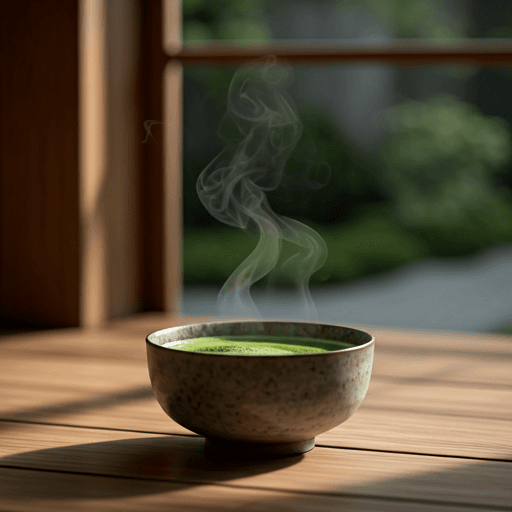
A mango matcha is a layered iced drink: sweet mango puree at the bottom, cold milk in the middle, and freshly whisked matcha poured on top so it settles into a green-to-gold ombre. The same idea — bright, sweet fruit balanced against matcha's grassy bitterness — works with strawberry, banana, pineapple, peach and mixed berries, which is why fruit matcha has become a warm-weather cafe favorite worldwide. Below is one base method you can memorize, then just swap the fruit.
New to the drink itself? Start with what matcha is and the classic matcha latte; this page is only about pairing matcha with fruit.
What Is a Mango Matcha?
A mango matcha is a fruit-forward twist on an iced matcha latte. Instead of plain sweetener, you build the glass over a spoonful of ripe mango — as puree, syrup or blended fresh fruit — so every sip runs from tropical sweetness up into the clean, vegetal finish of whisked green tea. Cafes serve it two ways: layered, where the mango, milk and matcha sit in visible bands for that photogenic ombre, or blended, where everything goes in the blender into a smooth, slushy fruit matcha. Both taste great; the choice is purely about looks and texture.
Matcha is stone-ground whole green-tea leaf, so it carries a savory, slightly bitter edge that plain milk drinks smooth over. Fruit does something different: it contrasts. That sweet-against-grassy tension is the whole appeal, and it is why almost any bright fruit can headline the drink.
How to Make an Iced Mango Matcha Latte
This makes one tall glass (about 12 oz / 350 ml). Amounts are a starting point — taste and adjust the fruit and matcha to your liking.
- Build the mango base. Spoon 3–4 tablespoons of mango puree (or 1–2 tablespoons mango syrup, or a small blended fresh mango) into the bottom of the glass. For a thicker "sunset" layer, mash the puree with a teaspoon of sweetener if your mango is tart.
- Add ice. Fill the glass about three-quarters full with ice. Cold slows the layers from mixing and keeps the matcha vivid.
- Pour the milk. Add about 3/4 cup (180 ml) cold milk — dairy, oat, almond or coconut all work. Pour gently over the ice so it rests on the mango rather than churning it.
- Whisk the matcha. Sift 1–2 teaspoons (2–4 g) culinary or ceremonial matcha into a bowl to remove clumps. Add 2 tablespoons of warm water (about 175°F / 80°C — not boiling, which turns matcha bitter). Whisk briskly in a "W" or "M" motion for 15–20 seconds until frothy and lump-free. A handheld frother or shaker jar works if you have no bamboo whisk.
- Float and finish. Slowly pour the matcha over the back of a spoon so it floats on top for the layered look. Serve as-is for the photo, then stir before drinking so the mango, milk and matcha combine.
For a cleaner iced pour and more on keeping the green bright, see how to make iced matcha.
The Flavor Logic: Why Fruit and Matcha Work
Good fruit matcha is a balancing act, not a random mashup. Three rules keep it from tasting muddy:
- Sweet and bright beats heavy and rich. Matcha's bitterness needs a lift, so juicy, acidic or tropical fruit (mango, strawberry, pineapple, peach, berries) reads best. Very rich or starchy add-ins can flatten it.
- Match the sweetness to the matcha. A grassier, more astringent matcha can take a sweeter fruit; a mellow, premium matcha shines with less added sugar. Start light — you can always add more syrup, but you cannot pull it back out.
- Keep the matcha whisked separately. Blending raw matcha powder straight into fruit often leaves specks and a chalky feel. Whisk it smooth first, then combine.
Banana is the one exception to "bright": banana matcha leans creamy rather than tart, so it is almost always blended into a thick, smoothie-style drink instead of layered. It rounds off matcha's edge like a dessert.
Fruit Matcha Variations
Once the base method is second nature, the flavor swaps are easy. Keep the matcha step identical and change only the fruit layer.
Strawberry matcha
The most popular fruit matcha of all. Mash or lightly blend fresh strawberries with a little sweetener into a chunky puree, layer with milk, and top with matcha for a pink-and-green look. Full ratios are in our dedicated strawberry matcha latte recipe.
Banana matcha
Blend 1 ripe banana with the milk, ice and a scoop of whisked matcha for a thick, naturally sweet drink. Add a spoon of yogurt or nut butter to push it toward a breakfast smoothie.
Pineapple, peach and mixed berry
Pineapple brings sharp tropical acidity that cuts matcha cleanly; peach is softer and more floral; mixed berries add tartness and a deep color. All three work layered or blended — use puree or syrup for smooth layers, or blend fresh fruit for a slushy.
Fruit Pairing Table
| Fruit | Best form | Pairs-well note |
|---|---|---|
| Mango | Puree or syrup | Tropical and sweet; the classic ombre partner. Layers cleanly. |
| Strawberry | Fresh mashed or puree | Bright and tart; the most popular pairing. Best layered. |
| Banana | Fresh, blended | Creamy, not tart; blend it — do not layer. Mellows matcha's edge. |
| Pineapple | Juice or puree | Sharp, tropical acidity that cuts matcha's grassiness. |
| Peach | Puree or syrup | Soft and floral; gentle sweetness, elegant color. |
| Mixed berries | Fresh, blended or puree | Tart and deep-colored; great blended for a slushy. |
Blend or Layer? Getting the Ombre Look
To layer for that green-to-fruit gradient, keep everything cold, use a thicker fruit base (puree, not thin juice) so it holds at the bottom, add plenty of ice as a buffer, and pour the milk and then the matcha slowly over the back of a spoon. The layers will hold for a minute or two before you stir them together.
To blend, add fruit, milk, ice and pre-whisked matcha to a blender and run until slushy. You lose the ombre but gain a smooth, thick texture — ideal for banana matcha and berry versions. Either way, whisk the matcha first so it never goes in as loose powder.
Tips for Better Fruit Matcha
- Sift and use warm, not hot, water to whisk the matcha — boiling water scorches it bitter and dulls the color.
- Taste before you sweeten. Ripe fruit may need no added sugar at all; syrup is a backup, not a default.
- Culinary-grade matcha is fine here. Because fruit and milk are doing a lot of the talking, you do not need your most expensive ceremonial tin for a fruit matcha.
- Serve immediately. Matcha's foam and vivid green fade as it sits, so build the drink just before you enjoy it.
Fruit matcha is one of the friendliest ways into green tea: forgiving on technique, endlessly swappable by season, and as pretty as it is refreshing. Master the mango version and you have effectively learned all of them — pick whatever fruit is ripe, whisk your matcha smooth, and pour.