
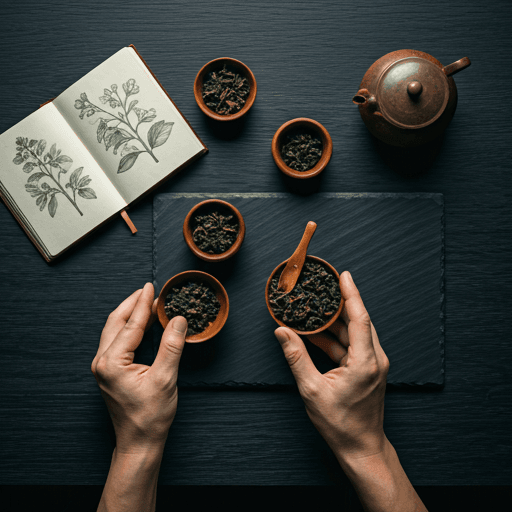
Jasmine tea is real tea — most often green tea, and sometimes white, oolong, or black tea — that has been scented with fresh jasmine blossoms so the leaf takes on a delicate, sweet, floral aroma. Because the base is almost always green, "jasmine tea" and "jasmine green tea" usually mean the same drink. It comes from the Camellia sinensis tea plant, not a herbal blend, so it carries real tea leaf and a moderate amount of caffeine.
That single idea — tea scented with a flower, rather than tea mixed with dried petals — is what makes jasmine tea special, and it is what this guide unpacks: what it is, how it is made, the forms you will find it in, how it tastes, and how to brew it so it stays sweet instead of bitter.
What is jasmine tea?
So, what is jasmine tea in plain terms? It is a base tea that has absorbed the fragrance of jasmine flowers. The classic pairing is green tea and jasmine, which is why jasmine green tea labels are so common on the shelf. The tea leaf itself does the flavoring work: it is porous, and when it sits beside fresh jasmine blossoms it drinks in their scent the way a sponge drinks water.
This is an important distinction. Jasmine tea is a scented tea, not a herbal (caffeine-free) infusion. There is real tea in the cup, so it behaves like green tea: it has caffeine, it has the grassy-sweet backbone of the leaf, and it rewards gentler brewing. A cup of dried jasmine flowers on their own would be a herbal tisane; jasmine tea is the leaf carrying the flower's perfume.
Most jasmine tea uses a green base, but producers also scent white, oolong, and occasionally black tea. The base changes the body and color of the brew while the jasmine aroma stays the constant thread. If you have seen decorative buds that "bloom" open in a glass, that is a related but separate style — see our guide to jasmine flowering tea for how those hand-tied displays differ from everyday scented leaf.
How jasmine tea is made
The traditional method comes from Fujian, China, and it is patient, seasonal work. The green tea is picked and processed in spring, then stored dry until summer, when the jasmine blossoms reach their peak. The two are only married once both are ready.
Jasmine flowers are harvested in the day while the small buds are still tightly closed. They are kept cool until nightfall, because jasmine opens and releases its fragrance in the evening. Once the blossoms begin to open, they are layered together with the tea leaves — alternating flowers and leaf — and left for several hours so the leaf can absorb the scent. The spent flowers are then removed, and for better grades the whole process is repeated with a fresh batch of blossoms.
Ordinary jasmine tea might be scented two or three times; premium tea can be re-scented many times over several nights, each round deepening the aroma. Between rounds the tea is gently dried so it does not spoil, and the final batch is dried once more, often around dawn. The result is a green tea that smells unmistakably of jasmine even though almost none of the actual flower remains in the finished leaf. Cheaper commercial versions sometimes shortcut this with jasmine flavoring or leftover petals, which is why quality varies so much.
The forms of jasmine tea
Jasmine tea shows up in a few common shapes, and the form is a rough guide to quality and price tier (from budget bags to premium hand-rolled leaf):
- Loose leaf. Whole or broken scented green leaf. This is the everyday standard and generally tastes fresher and rounder than bagged tea because the leaf is less broken.
- Jasmine pearls (dragon pearls). Young leaves and buds hand-rolled into small pearls that slowly unfurl in hot water, releasing scent as they open. These are usually a premium expression of jasmine green tea. Our guide to dragon pearl jasmine tea covers how they are rolled and brewed.
- Tea bags. Convenient and affordable, usually made from smaller leaf grades. Quick and reliable, if a little less nuanced than loose leaf.
Whichever form you choose, look for a clean, natural floral smell in the dry leaf. Good jasmine tea should smell like fresh flowers, not like perfume or soap.
How jasmine tea tastes
At its best, jasmine tea is light, smooth, and gently sweet, with a floral aroma that arrives before the first sip. The green tea base gives a soft, grassy or vegetal note underneath, and a good jasmine tea finishes clean rather than heavy or soapy. The perfume can feel almost creamy on the nose even though the liquor itself is delicate.
Because the flavor is subtle, jasmine tea is easy to over-brew. Water that is too hot or a steep that runs too long pulls out bitterness and astringency from the green leaf, which then buries the delicate jasmine. Getting the brew right is most of the battle.
How to brew jasmine tea
Treat jasmine tea like the green tea it usually is: cooler water and a short steep keep it sweet.
- Heat fresh water to roughly 75–80°C (165–175°F) — just off the boil. If your kettle only boils, let it sit for about two minutes first.
- Use about 1 teaspoon of loose leaf (or a few pearls) per cup, around 2–3 grams per 8 oz / 240 ml.
- Steep for 2–3 minutes. Taste toward the shorter end; you can always steep longer next time.
- Strain and enjoy without milk or sugar so the floral aroma stays clear. Jasmine tea is traditionally taken plain.
Good-quality loose leaf and pearls can be re-steeped two or three times, with each infusion revealing a slightly different balance of leaf and flower. If your cup tastes harsh or bitter, lower the temperature and shorten the steep before you blame the tea — gentle brewing is really the whole trick with a green base.
Caffeine in jasmine tea
Because it is a true tea, jasmine tea contains caffeine — it is not a caffeine-free herbal drink. The amount is moderate and comes entirely from the tea base, so it tracks with green tea rather than coffee. A cup typically lands somewhere around 15–60 mg of caffeine, depending on the base tea, how much leaf you use, and how long you steep. That is generally less than a cup of black tea or coffee, which is part of why many people find jasmine tea calming rather than jittery. If you are watching caffeine closely, brew it lighter or earlier in the day.
Jasmine tea at a glance
| Aspect | Detail |
|---|---|
| Base tea | Usually green; also white, oolong, or black |
| Scenting | Layered with fresh jasmine blossoms over several nights (traditional Fujian, China method) |
| Common forms | Loose leaf, hand-rolled pearls (dragon pearls), tea bags |
| Brew temperature | ~75–80°C / 165–175°F for a green base |
| Steep time | 2–3 minutes; shorter keeps it sweet |
| Caffeine | Moderate, ~15–60 mg per cup, from the tea base |
| Taste | Delicate, sweet, floral, lightly grassy |
Beyond the basic brew
Jasmine tea is also a starting point for other drinks. Strongly brewed jasmine green tea sweetened and shaken with milk (and often boba) is the base of jasmine milk tea, a popular bubble-tea style. And while jasmine tea shares the general reputation of green tea — catechins, a little L-theanine, that calm-alert feeling — the evidence specific to jasmine is limited, so treat any wellness talk as general and hedged; our jasmine tea benefits guide lays out what is and is not well supported.
In the end, jasmine tea is a lovely example of how much character a simple flower can lend to a leaf. Buy a version that smells like real blossoms, brew it cool and short, and drink it plain to let the aroma lead. Once the basic scented cup makes sense, the pearls, the milk-tea versions, and the wider world of green tea are all easy next steps.