
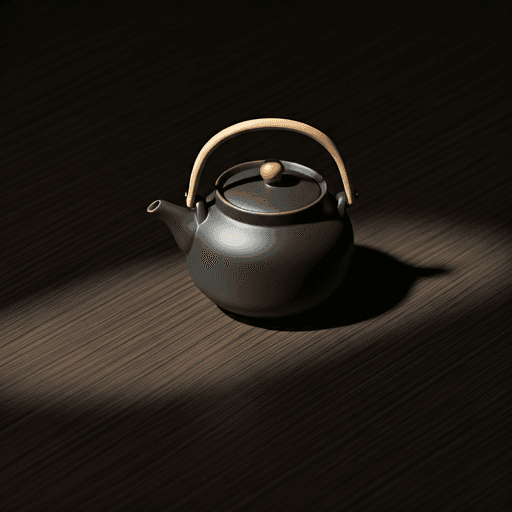
Pu-erh is a dark, often-aged tea from Yunnan that loves hot water and rewards patience, so learning how to brew pu-erh tea comes down to a simple rhythm: use near-boiling water (about 95-100 C / 205-212 F), give the leaves a quick 5-10 second rinse and pour it off to wake them up, then steep in short bursts and re-steep the same leaves many times over. Each infusion shifts a little, revealing the earthy, smooth, woodsy character the tea is known for. Below is the full method, from breaking off the leaf to knowing when to stop.
If you want the wider story of what pu-erh is and where it comes from, our pu-erh tea guide covers the background. This article stays focused on the brewing itself.
How to brew pu-erh tea, step by step
Unlike delicate green teas, pu-erh is robust and forgiving of heat, which makes brewing pu-erh tea more about rhythm than precision. The short version: break off a piece, rinse it, then run a series of quick steeps and keep going for as long as the leaves give something back. Here is the whole flow at a glance before we walk through each step.
| Step | Guideline |
|---|---|
| Break off the leaf | Gently pry a piece from the pressed cake; aim for roughly 3-5 g per small pot or mug. Do not crumble it to dust. |
| Rinse / awaken | Cover the leaves with hot water for 5-10 seconds, then pour it all away. Especially useful for aged and ripe pu-erh. |
| Water temperature | Near-boiling, about 95-100 C / 205-212 F. Pu-erh can take full heat. |
| First steep | Short: about 20-30 seconds in a small gongfu pot, or 2-3 minutes Western-style in a mug. Taste, then adjust. |
| Re-steeps | Re-use the same leaves and add a few seconds each round. Good leaf gives many infusions. |
| Vessel | A small gaiwan or clay pot suits it best, but a mug and strainer work fine. |
1. Break off the leaf
Most pu-erh comes pressed into a cake, brick, or small nest rather than loose in a bag. Slide a pu-erh pick or a blunt knife into the side of the cake and pry along the natural layers, working a piece loose rather than sawing straight down. Aim for roughly 3-5 grams for a small pot or a single mug, and try to keep the leaves in flakes rather than crushing them to dust, because powder over-extracts fast and turns the cup muddy. A pressed nest (called a tuo) or a scoop of loose ripe leaf can simply be spooned out.
2. Rinse to "awaken" the leaves
The rinse is the step newcomers skip and later regret. Cover the leaves with hot water, wait about 5-10 seconds, then pour all of that first liquid away without drinking it. This quick wash rinses off any storage dust, warms the leaves, and coaxes tightly pressed pieces to start opening so the real first steep tastes fuller and rounder. It matters most for aged and ripe (shou) pu-erh, which has spent time in storage; a young raw cake benefits too, though a single rinse is usually plenty. Think of it as the tea equivalent of the pour-over bloom.
3. Use near-boiling water
Pu-erh is robust, so give it full heat: near-boiling water at about 95-100 C / 205-212 F. This is the opposite of what you would do for a fragile green tea, where cooler water protects the delicate leaves. Here the heat pulls out body, sweetness, and that signature depth. If your kettle has no temperature setting, just let a rolling boil settle for a few seconds and pour.
4. Keep the first steeps short
Pu-erh steep time depends on how you are brewing. In a small gongfu-style pot or gaiwan with a generous pile of leaf, start remarkably short, around 20-30 seconds, then taste. Brewing Western-style in a larger mug or teapot with less leaf, go longer, roughly 2-3 minutes for the first pour. Treat these as starting points, not rules: if the cup is thin, add time; if it turns sharp or bitter, pull it earlier next round. Taste is the only judge that matters, so adjust every steep to your own palate.
5. Re-steep, and re-steep again
Re-steeping is the heart of pu-erh and the reason people fuss over good leaf. A quality cake will give many infusions from the same leaves, each one evolving, often getting deeper before it gently fades. The habit is simple: add a few seconds to each successive steep to keep the strength roughly even as the leaves tire. A short-steep, many-pour approach like this is the essence of the gongfu tea ceremony, and pu-erh is one of the teas it suits best. Even Western-style in a mug you will still get two or three honest steeps before the leaves are spent.
Raw vs ripe: a quick note
The two broad styles behave a little differently in the cup. Ripe (shou) pu-erh is mellow, smooth, and forgiving, so it is a great place to start and hard to ruin. Raw (sheng) pu-erh is brighter and livelier, but it can turn bitter or astringent if you let a steep run too long, so lean on shorter pours. That is the short version; for the full contrast see our guide to raw vs ripe pu-erh.
Choosing a vessel
A small gaiwan or an unglazed clay pot suits pu-erh beautifully and makes the pour-off-and-repeat rhythm easy. Clay is prized because it holds heat well and, over time, seasons to the tea you brew in it. That said, you do not need special gear to begin: a mug with a basket infuser, or a teapot and a strainer, works perfectly well for how to make pu-erh tea at home. The method matters far more than the equipment.
Common pu-erh brewing mistakes to avoid
Most disappointing cups trace back to a few easy-to-fix habits rather than the leaf itself. Keep an eye on these:
- Skipping the rinse. That first quick wash-and-pour-off is what wakes tightly pressed leaf; drink it instead of discarding it and the real first steep tends to taste flat and dusty.
- Letting a steep run too long. Leaving leaf sitting in water, especially a young raw (sheng) cake, pulls out bitterness and astringency. Pour off on time and simply re-steep for another round.
- Water that is too cool. Pu-erh wants near-boiling heat, so timid water tends to leave the cup thin and hollow rather than full and sweet.
- Crushing the leaf to dust. Powder over-extracts quickly and muddies the cup, so pry the cake apart into flakes instead.
- Tossing the leaves after one pour. Good pu-erh usually has many steeps left in it, and re-steeping is exactly where the flavour keeps evolving.
What pu-erh should taste like
Well-brewed pu-erh is earthy, smooth, and woodsy, sometimes carrying notes of damp forest, dried fruit, or dark chocolate in ripe styles, and something brighter and more vegetal in young raw ones. It should feel round and easy to drink, never harsh; harshness usually means the steep ran too long or the water sat over already-tired leaves. Because it is full-bodied and low in sharp edges, many people reach for it after a meal. If you are curious how it stacks up against a classic breakfast cup, our look at pu-erh vs black tea breaks down the differences.
A quick word on caffeine
Like all true teas made from Camellia sinensis, pu-erh contains caffeine, and research suggests the amount you actually get depends on the leaf, the water temperature, the steep time, and how many rounds you drink. Responses vary from person to person, and this is general information rather than medical advice, so if caffeine tends to affect your sleep, keep your later steeps shorter or enjoy pu-erh earlier in the day.
Putting it all together
That is really all there is to how to prepare pu-erh tea: break off a piece, rinse it awake, pour near-boiling water, and steep in short rounds you can repeat again and again. Once the rhythm becomes second nature, brewing pu-erh stops feeling like a recipe and starts feeling like a quiet conversation with the leaves, one cup shifting into the next as the afternoon goes on.