
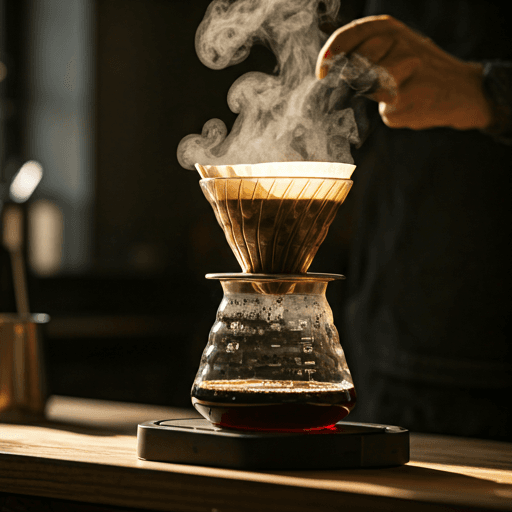
Caramel creamer is a sweet, caramel-flavored coffee creamer you stir into your cup to add body, a touch of richness, and a buttery, brown-sugar caramel taste. Unlike a thin caramel syrup, a creamer is milky and creamy, so it both sweetens and softens the coffee in one pour. This guide explains what caramel creamer actually is, the forms it comes in, how it differs from caramel syrup, and an easy way to make your own at home.
This is a focused look at one flavor. For the bigger picture of dairy versus plant bases, liquid versus powder, and which additives to watch for, our coffee creamers guide is the hub.
What caramel creamer is
Caramel creamer is a flavored coffee creamer built on a milky base and seasoned to taste of caramel. The base is usually a blend of milk and cream, or a non-dairy stand-in such as oat, almond, soy, or coconut, plus sweetener and caramel flavoring. The point is texture as much as flavor: it lightens the color of the coffee, rounds off any bitterness, and leaves a smooth, dessert-like finish reminiscent of a caramel latte.
Two things define it. First, it is creamy, not clear; that milkiness is what separates a creamer from a syrup. Second, the flavor leans on the toasty, slightly burnt-sugar note of caramel, often backed by vanilla. Some versions taste of straight caramel, while others borrow the layered profile of a coffee-shop drink and get sold as "caramel macchiato" creamer.
The forms caramel creamer comes in
Caramel creamer is sold in several formats, and the differences matter for taste, shelf life, and diet. The main split is dairy versus non-dairy, then liquid versus powder, with sugar-free options across both.
| Type | Dairy? | Notes |
|---|---|---|
| Refrigerated liquid | Usually dairy (some plant) | The most common; creamiest taste and texture, kept cold, used within weeks of opening |
| Shelf-stable liquid | Often non-dairy | Stored at room temperature until opened; handy for travel and the office, then refrigerated |
| Powdered | Usually non-dairy | Dried, very long shelf life, stir into the cup; lighter body than liquid |
| Non-dairy (oat, almond, soy, coconut) | No | Plant bases for vegan and lactose-free drinkers; oat and coconut give the most body |
| Sugar-free / "zero sugar" | Dairy or plant | Sweetened with sugar substitutes; fewer calories but a different aftertaste |
| Homemade | Your choice | You control the sweetness and base; no gums or stabilizers, shorter fridge life |
Dairy and non-dairy
Traditional caramel creamers are built on milk and cream and taste the richest. Non-dairy caramel creamers swap that for a plant base so they suit vegan, lactose-intolerant, and dairy-allergic drinkers. Oat and coconut bases bring the most body, while almond is lighter and thinner. Worth knowing: "non-dairy" on a label does not always mean zero milk protein, since some powdered creamers contain sodium caseinate, a milk derivative. If you need a truly dairy-free cup, read the ingredient list, and see our coconut coffee creamer guide for the richest plant option.
Liquid, shelf-stable, and powdered
Refrigerated liquid creamer tastes the most like real cream and gives the smoothest pour. Shelf-stable liquid trades a little of that for convenience, sitting unopened in the cupboard. Powdered caramel creamer lasts the longest and travels well, but it dissolves into a lighter, slightly less creamy cup. As factual examples, Coffee mate makes caramel creamers in liquid and powdered forms, and International Delight sells a popular caramel macchiato liquid creamer. Naming them is for illustration, not endorsement; there is no single best brand, and our guide to coffee creamer brands compares the field by category.
Caramel creamer versus caramel syrup
This is the distinction that trips people up. A caramel creamer is milky and rich; it adds creaminess plus flavor. A caramel syrup is a clear, thin sweetener with no dairy in it; it adds flavor and sugar but no body. Reach for the creamer when you want your coffee softened and lightened, and the syrup when you already use milk and only want to flavor and sweeten it. For the sweetener side of the story, our caramel syrup for coffee guide covers thin syrups versus thick sauces.
How to make caramel creamer at home
Homemade caramel creamer is easy and lets you dial in exactly how sweet and how caramel-forward you want it. The simplest reliable method leans on sweetened condensed milk for body and sweetness, plus caramel for flavor.
- Build the base. Whisk together about one cup of whole milk (or half-and-half for a richer result) with roughly half a cup of sweetened condensed milk. The condensed milk does double duty as creaminess and sugar.
- Add the caramel. Stir in two to three tablespoons of caramel sauce. A pourable store-bought caramel works, or make a quick one (below). Add more for a stronger flavor, less for a subtle one.
- Round it out. Add about one teaspoon of pure vanilla extract and a small pinch of salt. The salt sharpens the caramel and keeps it from tasting flat.
- Whisk until smooth, then pour through a funnel into a clean jar or bottle with a lid.
- Chill before using, and shake well each time, since homemade creamer separates as it sits.
For a quick homemade caramel, gently melt a few tablespoons of brown sugar with a knob of butter and a splash of cream over low heat, stirring until smooth, then cool slightly before adding it to the base. If you would rather skip the condensed milk, simmer equal parts cream and milk with brown sugar and a little caramel until dissolved, then cool. Either route gives you a creamer with a real caramel backbone.
A dairy-free caramel creamer
To make it without dairy, swap the milk and condensed milk for a plant base. Full-fat coconut milk gives the creamiest result; barista-style oat milk is a smooth, neutral alternative. Sweeten with maple syrup or a dairy-free caramel sauce, add vanilla and a pinch of salt, blend until smooth, and store as above. Coconut and oat carry caramel flavor especially well because they have enough fat and body to feel like cream.
How to use caramel creamer, and how much
Caramel creamer is poured into brewed coffee to taste, much like milk or cream, but because it is sweetened, a little goes further. A common pour is one to two tablespoons per cup; start at the lower end and adjust, since the sugar builds up fast if you free-pour. It shines in drip coffee, cold brew, and iced coffee, where its sweetness and body really come through, and it can stand in for both milk and sugar at once. Stir well, especially with homemade or coconut-based versions that separate.
Storage and shelf life
Store-bought refrigerated caramel creamer keeps until its printed date unopened, then is usually best within about a week or two of opening; follow the label. Shelf-stable liquid lives in the cupboard until opened, then moves to the fridge. Powdered creamer lasts the longest, often many months sealed. Homemade caramel creamer has no preservatives, so keep it refrigerated in a sealed container and use it within roughly five days to a week, giving it a sniff and a shake before each pour.
An honest note on sugar
Flavored creamers are, in plain terms, a sweet treat in a bottle. Caramel versions in particular pack added sugar, and a couple of generous pours twice a day adds up quickly. That is fine as an occasional indulgence, but if you drink coffee all day, it is worth being aware of. Your options are simple: pour less, choose an unsweetened or sugar-free version and add your own sweetness, or make a homemade batch where you control exactly how much sugar goes in. None of this is a reason to avoid caramel creamer; it is just a reason to use it with your eyes open.
The last pour
Caramel creamer is one of the easiest ways to turn an ordinary cup into something that tastes like a dessert: milky, smooth, and full of buttery caramel. Buy it refrigerated for the creamiest result, shelf-stable or powdered for convenience, or non-dairy if you skip milk, and remember it is the rich, creamy cousin of a thin caramel syrup. Best of all, a homemade batch takes minutes and lets you own the recipe. To compare it against every other option, start with our coffee creamers guide for the bigger picture.