
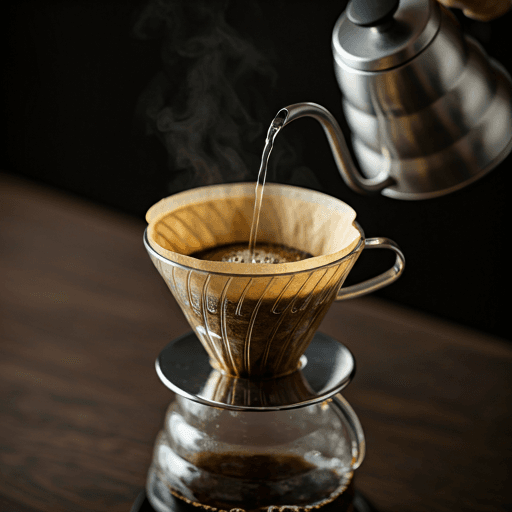
This carajillo recipe makes the Spanish coffee cocktail in about two minutes: a shot of hot espresso spiked with a sweet, vanilla-forward liqueur or spirit, then served over ice or sipped warm. The most-searched version is the Mexican carajillo, built with Licor 43. In Spain the same idea is poured with brandy, rum or anisette. Below you get the ingredients, the steps, the best-known variations and a non-alcoholic version.
Responsible-drinking note: A carajillo contains alcohol. It is for adults of legal drinking age only. Please drink responsibly, never drive after drinking, and skip the alcohol entirely if you are pregnant, taking medication that interacts with alcohol, or simply prefer not to drink. A non-alcoholic version is included below.
What is a carajillo?
A carajillo is a coffee-and-liquor drink of Spanish origin: hot espresso or strong coffee combined with a shot of spirit. The combination is thought to date to the Spanish colonial period in Cuba, where the story goes that soldiers added rum to their coffee for coraje (courage) before duty. From there it spread to mainland Spain, where brandy and anisette became common, and on to Latin America. In Mexico it took on a glossy modern life made with a coffee liqueur or, most famously, Licor 43.
Licor 43 is a Spanish liqueur from Cartagena built on a blend of citrus, vanilla and botanicals. That sweet, vanilla-forward profile is what makes the Mexican carajillo so balanced: the liqueur rounds off the bitterness of a fresh espresso. If you want to go deeper on the espresso shot at the base of it all, see our guide on how to make espresso at home.
Carajillo recipe (Mexican-style)
This is the version most people mean when they search for a carajillo recipe today: Licor 43 and espresso, over ice, served in a short glass. It is two ingredients plus ice, so the quality of each one matters.
Ingredients (1 drink)
- 1.5 oz (45 ml) Licor 43
- 1 shot (about 1 oz / 30 ml) freshly brewed hot espresso, or an equal pour of very strong coffee
- Ice cubes
- A few whole coffee beans, to garnish (optional)
Method
You can build it for a layered look or shake it for a cold, frothy finish. Both are authentic.
- Layered (build over ice): Fill a short rocks or old-fashioned glass with ice. Pour the Licor 43 over the ice. Slowly pour the hot espresso on top, ideally over the back of a spoon, so it floats in a darker layer above the liqueur.
- Shaken (cold and frothy): Add the Licor 43 and the hot espresso to a cocktail shaker filled with ice. Shake hard for 15 to 20 seconds, until the outside of the shaker is cold and a foam forms. Strain into a glass over fresh ice.
- Finish: Let the foam settle, then float a few coffee beans on top. Serve right away while the contrast of warm coffee and cold ice is at its best.
Quick step table
| Step | What to do | Why it matters |
|---|---|---|
| 1. Brew | Pull a fresh espresso shot just before mixing | Stale or weak coffee gets lost under the sweet liqueur |
| 2. Measure | About 1.5 oz Licor 43 to 1 espresso shot | Roughly a 1.5:1 liqueur-to-coffee balance keeps it sweet but not cloying |
| 3. Combine | Layer over ice, or shake hard with ice | Layering looks elegant; shaking gives a cold foam |
| 4. Garnish | Float coffee beans; serve immediately | Aroma and presentation; the drink is best fresh |
Carajillo variations
The carajillo is really a template: strong coffee plus one spirit. Swap the spirit and you travel across its history. Use the table to pick a style, then follow the same build-or-shake method above.
| Style | Spirit or liqueur | How it is usually served |
|---|---|---|
| Mexican (Licor 43) | Licor 43, a sweet vanilla-citrus liqueur | Shaken cold or layered over ice; garnished with coffee beans |
| Spanish classic | Brandy, rum or anisette | Often hot, stirred into the coffee with a little sugar |
| Cold and shaken | Coffee liqueur or Licor 43 | Shaken like an espresso martini for a frothy top |
| Decaf | Any of the above | Made with decaf espresso for an evening drink |
If you like the shaken, foamy carajillo, it is a close cousin of the espresso martini: both shake espresso hard with a sweet element for that signature crema-like cap. For a warm, stirred coffee cocktail in the older Spanish style, the technique overlaps with Irish coffee — hot coffee, a spirit and a little sweetness. And if you want espresso poured over something cold without alcohol, an affogato is the dessert-side relative.
Non-alcoholic carajillo
To capture the vanilla-and-coffee character without the alcohol, mimic the Licor 43 note with vanilla syrup. Fill a short glass with ice, add about 0.5 oz (15 ml) vanilla syrup, then pour a fresh hot espresso shot over the top. Stir or shake with ice for a frothy finish. A small splash of orange or a strip of orange peel echoes the citrus side of Licor 43. It is sweet, aromatic and family-friendly, and it works just as well with decaf espresso.
Tips for the best carajillo
- Use fresh espresso, not lukewarm coffee. With only two ingredients, the coffee has nowhere to hide. A bright, fresh shot keeps the drink lively.
- Balance sweet against bitter. Licor 43 and coffee liqueurs are sweet, so a properly bitter, full-bodied espresso is the counterweight. If your drink tastes flat, pull a stronger shot rather than adding more liqueur.
- Mind the temperature contrast. Hot espresso meeting cold ice is part of the appeal, so serve immediately before the ice waters it down.
- Garnish for aroma. A few coffee beans on the foam add scent with every sip; a cinnamon stick suits the hot Spanish version.
- Keep it moderate. One well-made carajillo is a treat. Caffeine plus alcohol can mask how the alcohol is affecting you, so go slowly and hydrate.
The bottom line
A carajillo proves how little it takes to turn an espresso into something memorable: one good shot, one well-chosen spirit, a little ice. Start with the Mexican Licor 43 build, then try the warm Spanish brandy or rum version, or keep it alcohol-free with vanilla syrup. Whichever you pour, fresh coffee is the secret. From here, explore the wider world of after-dinner coffee drinks and find the one that fits your evening.